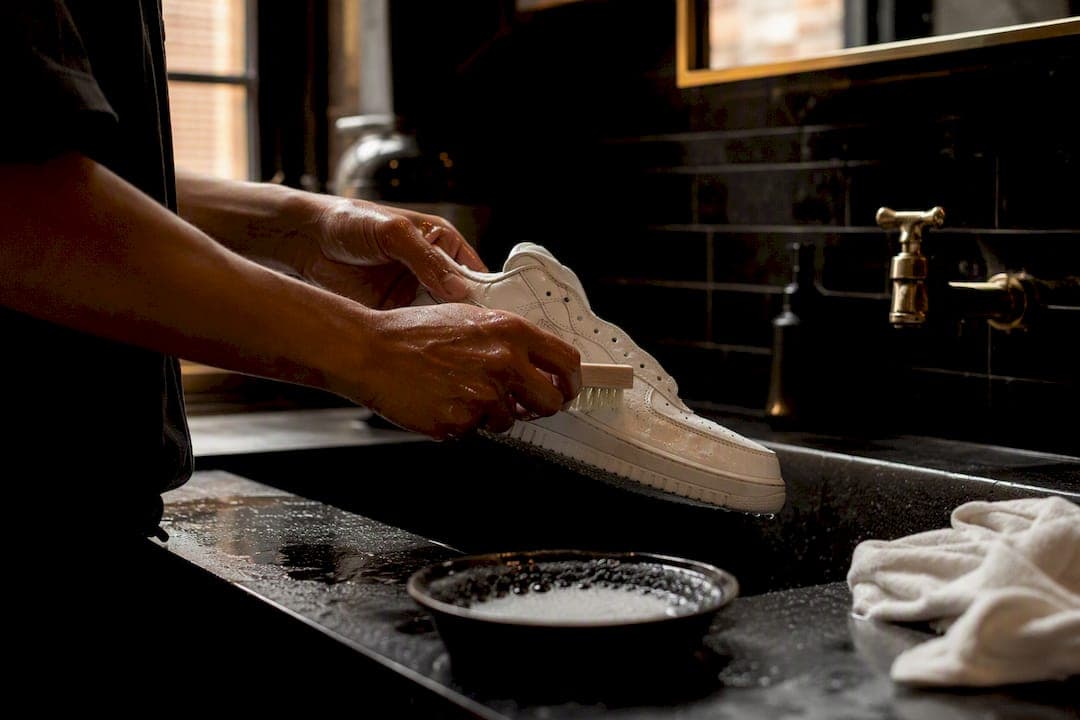
The fastest safe way to restore most white sneakers is a gentle hand-wash with mild dish soap and a soft brush, then air-dry and stuff with paper to hold their shape. Hand-washing beats a machine every time because it lets you treat each material on its own terms instead of blasting canvas, leather, and rubber with the same cycle.
Two household combos handle almost everything else. A baking soda and hydrogen peroxide paste lifts stains and dulling on canvas and rubber. A magic eraser knocks scuffs off rubber midsoles in seconds, though it's abrasive enough to strip delicate finishes if you're not careful.
- Hand-wash first: dish soap, warm water, soft brush.
- Baking soda + hydrogen peroxide paste for canvas and midsole grime.
- Magic eraser for rubber scuffs, never on suede or painted uppers.
- Skip the dryer completely. Heat warps soles and yellows glue.
- Patch-test any new cleaner on a hidden spot first.
Quick reality check: cleaning pros repeatedly flag "panic-cleaning," meaning aggressive scrubbing or bleach that pushes dirt deeper into fibers instead of lifting it out. Slow down, and your sneakers thank you.
Key Takeaways
Hand-washing with mild soap, targeted household pastes, and consistent midsole care keep white sneakers looking new far longer than any single deep clean can.
| Point | Details |
|---|---|
| Hand-wash is the default | Mild dish soap and a soft brush treat materials gently without machine damage. |
| Midsoles carry the visual impact | Cleaning rubber soles first makes the whole shoe look dramatically fresher. |
| Bleach is a last resort only | It frequently causes yellowing or weakens adhesives on canvas and synthetics. |
| Suede needs dry-only care | Water and standard detergents cause permanent damage on suede and nubuck. |
| Prevention cuts future work | A repellent spray and quick brush-offs keep pieces like Gfacegear's limited drops cleaner between deep cleans. |
Table of Contents
- How Do You Clean White Sneakers Without Ruining Them?
- How Do You Spot-Clean Different Sneaker Materials?
- What's the Fastest Way to Clean Midsoles and Rubber Scuffs?
- Laces and Insoles: The Details People Skip
- When Is Machine-Washing Sneakers Actually Safe?
- How Do You Keep White Sneakers Clean Longer?
- Tips From Gfacegear: Camera-Ready Sneakers, Fast
- Why Household Methods Beat Fancy Products, Most of the Time
- Ready to Roar in Sneakers Worth Keeping Clean
- Sources
- FAQ
How Do You Clean White Sneakers Without Ruining Them?
Before you touch a single stain, get your setup right. Half the sneaker disasters we hear about come from grabbing the wrong tool, not the wrong method.
Tools you need:
- A soft-bristle brush (a dedicated shoe brush or a clean, unused dish brush)
- An old toothbrush for tight seams and stitching
- Microfiber cloths for wiping and buffing
- A small bowl for mixing solutions
- A magic eraser for rubber soles
Cleaners worth keeping on hand:
- Mild dish soap, your everyday workhorse for almost every material
- Baking soda, the base for whitening pastes
- 3% hydrogen peroxide, a gentle brightener for canvas
- White vinegar, useful for cutting odor and light staining
- Non-gel white toothpaste, surprisingly effective on scuffs
Round it out with a water-and-stain repellent spray, shoe trees or crumpled paper for shape, a pair of gloves, and a mesh laundry bag if you ever wash laces separately.
Pro Tip: Keep everything in a small bin near your closet. A five-minute touch-up the day a stain happens beats a thirty-minute rescue mission next week.
How Do You Spot-Clean Different Sneaker Materials?
-
Canvas. Mix baking soda with a little water into a paste, or upgrade to baking soda plus hydrogen peroxide for tougher grime. This combination is an effective household whitening method for canvas when applied with a soft brush in small circles, left for ten minutes, then rinsed with a damp cloth. Air-dry away from direct heat.
-
Leather and vegan leather. Use minimal water. Dip your cloth in a mild dish soap solution, wring it nearly dry, and wipe in one direction rather than scrubbing. Dry immediately with a fresh towel. Condition genuine leather afterward if the surface feels stiff.
-
Mesh. Dilute dish soap heavily, since mesh fibers fray under pressure. Work a soft brush in gentle strokes, then blot, don't rub, with a microfiber cloth. Let mesh air-dry flat, since hanging can stretch the weave.
-
Suede and nubuck. Skip water entirely. A dry brush and suede eraser are the only tools you should reach for, working in one direction to lift dirt and restore the nap. Heavy stains or discoloration call for a professional cleaner rather than a home fix, since water and standard detergents leave permanent watermarks on suede.
Pro Tip: Always work from the outside of a stain inward. Scrubbing straight into the center spreads it wider instead of lifting it out.
Good Housekeeping's cleaning pros add one more habit worth borrowing: remove laces first and brush off loose dirt before any liquid touches the shoe. It keeps mud from turning into paste the moment you add soap.
What's the Fastest Way to Clean Midsoles and Rubber Scuffs?
Midsoles do more visual work than any other part of the shoe. Cleaning a yellowed or scuffed midsole makes the whole pair look brand new faster than any other single fix, and it's the one step most people skip.
- Magic eraser: wet it slightly and rub the rubber sole in short strokes. Effective and fast, but keep it strictly on rubber. It's abrasive enough to dull painted logos or textured uppers nearby.
- Non-gel white toothpaste: dab a small amount on scuffs, work it in with an old toothbrush, then rinse thoroughly. It handles light scuffing well without any bleaching agents.
- Baking soda paste targets general yellowing safely on most rubber. Diluted bleach is the aggressive option, and it's genuinely risky. Bleach frequently causes yellowing or weakens adhesives rather than fixing it, so patch-test on an inconspicuous spot and never use it on foam midsoles or glued seams.
- Acetone or solvents belong in the "last resort" category only, applied with a cotton swab and kept far from the fabric upper, since a single drip can eat through canvas or mesh.
Laces and Insoles: The Details People Skip
Clean shoes with dirty laces still look unfinished, so give them their own five minutes.
- Soak laces in warm water with a splash of dish soap for fifteen minutes, then hand-scrub, or toss them in a mesh bag on a cold, gentle machine cycle. Save a bleach soak for truly stained white laces, and only on cotton, never nylon blends.
- Hand-wash insoles only, since machines chew them up. An enzyme cleaner breaks down odor-causing bacteria far better than soap alone.
- Let both air-dry completely, ideally overnight, before reinstalling. Sprinkle baking soda inside shoes overnight for odor, and brief, indirect sunlight can help too, though extended exposure risks yellowing.
When Is Machine-Washing Sneakers Actually Safe?
Treat the washing machine as your last option, not your first instinct. Spin cycles and hot water melt glue and warp cushioning, and once adhesive lets go, no cleaning trick brings it back.
If you decide the shoes need it anyway:
- Remove laces and insoles first.
- Use cold water on a delicate or gentle cycle with minimal detergent.
- Place the sneakers inside a mesh laundry bag to reduce tumbling impact.
- Set spin speed to low or skip the spin cycle entirely.
- Never use the dryer, under any circumstance.
After washing, reshape the toe box by hand, stuff with paper towels or a shoe tree, and let them air-dry somewhere with airflow but no direct heat.
How Long Does Drying Take and How Do You Keep Shape?
A quick spot-clean dries in 15 to 30 minutes. A full hand-wash needs overnight, sometimes longer in humid weather or on thick canvas. Stuff shoes with paper or shoe trees the moment you finish washing, since a collapsed toe box is hard to reverse once it sets.
- Keep sneakers out of direct sunlight and away from radiators or heaters. Both cause yellowing and glue failure.
- Humidity slows drying significantly, so give damp weather an extra several hours.
- Wait until leather is fully dry before conditioning, and don't wear reconditioned leather shoes for at least a few hours after treatment.
Pro Tip: Rotate two pairs during rainy stretches. Wet shoes that never fully dry between wears break down glue and foam far faster than the weather itself does.
How Do You Keep White Sneakers Clean Longer?
Prevention beats cleanup every single time, and it takes less effort than you'd think.
- Spray a water-and-stain repellent on brand-new sneakers before the first wear, and reapply after every deep clean.
- Brush off dry dirt the moment you notice it. Fresh stains lift out in seconds; set-in stains take a full routine.
- Rotate pairs so no single pair takes daily abuse, especially through rain, snow, or slush season.
- Store sneakers upright with paper stuffing, keep a spare set of laces on hand, and build a small at-home kit with soap, a brush, and baking soda so a five-minute fix is always within reach.
Tips From Gfacegear: Camera-Ready Sneakers, Fast
Streetwear lives and dies by the details, and your sneakers carry as much of the look as your fit does. Victor's five-step touch-up before any shoot or night out:
- Wipe down midsoles first. It's the fastest visible upgrade you can make.
- Hit scuffs with white toothpaste and a toothbrush, thirty seconds each side.
- Re-lace clean, tight, straight bar lacing photographs sharper than crossed laces.
- Brush suede pieces dry only. Never let water near limited pieces.
- Let everything air-dry fully before you step out. Damp canvas looks dull under any light.
For limited-edition drops like the Boriqua Swimwear and other print-on-demand pieces, treat fabric prints gently, cold water, no wringing, no direct heat, to protect the finish and keep colors sharp through repeat wear.
Why Household Methods Beat Fancy Products, Most of the Time
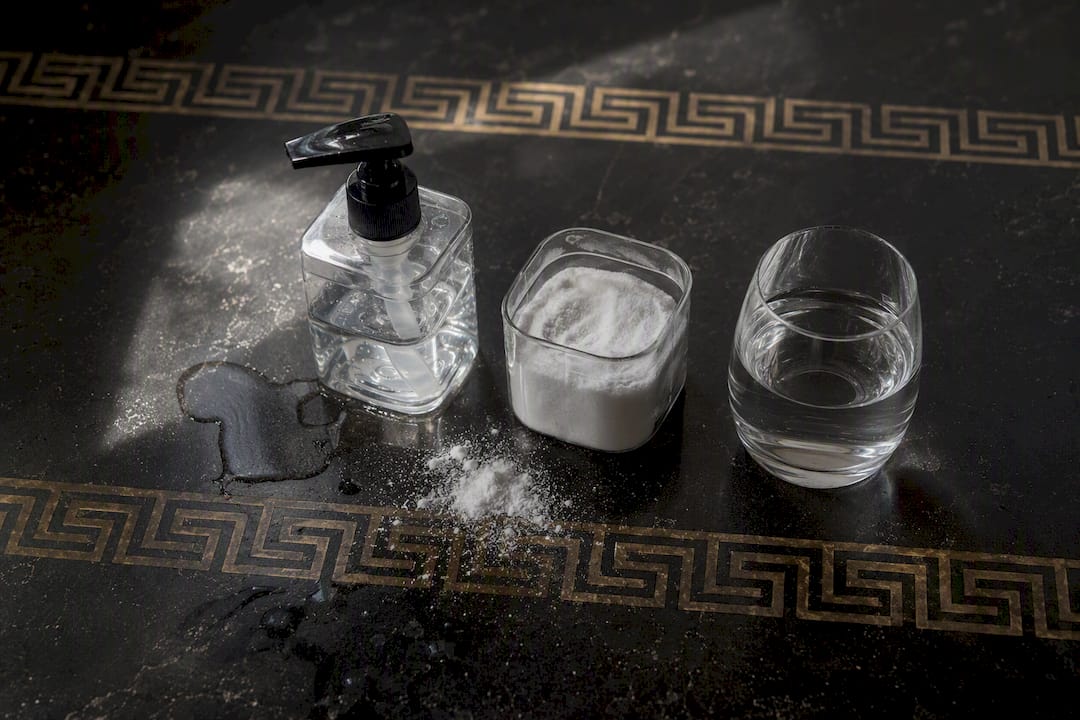
The conventional wisdom pushes readers toward specialty sneaker-cleaning kits before they've even tried what's under the sink. That's backward. Dish soap, baking soda, and a soft brush handle the overwhelming majority of dirt, scuffing, and dullness that white sneakers pick up, and they do it without the risk of an unfamiliar chemical reacting badly with glue or fabric dye.
Where most guides fall short is treating every part of the shoe the same. Midsoles get a passing mention while the upper gets all the attention, but the sole is what actually reads as "dirty" from three feet away. Clean that first. It's the highest-return five minutes you'll spend on any pair.
The other gap: nobody talks about prevention until the shoes already look rough. A repellent spray applied before the first wear does more long-term work than any cleaning session ever will. If you're rocking a limited piece, streetwear pieces are meant to be worn hard, not preserved in a box, so build the habit early and the deep cleans become rare instead of routine.
— Victor
Ready to Roar in Sneakers Worth Keeping Clean
Gfacegear built the ROAR line for people who wear their sneakers, not shelve them, so every pair is designed to stand up to real streets and still photograph clean. Our lion sneakers and limited-edition drops pair naturally with the long tshirt dresses, hats, and mens tshirts already in your rotation, giving you a full look built around the same Greek Key and lion identity from head to toe.

Coming from a cleaning guide, you already know the upkeep routine, so the harder decision is picking pieces worth that effort. A pair that fades into "just another white sneaker" after two cleans isn't worth the brush time. Gfacegear's drops are built to hold their look through the exact hand-wash and midsole care covered above, which means your investment in cleaning actually pays off instead of chasing a shoe that yellows regardless. Browse the current lookbook and grab the pair that matches your next fit, then put your Gameface on and let the world hear you roar.
Sources
- How to clean your sneakers | Mr. Clean
- How to Clean White Trainers Without Ruining Them | VICE
- Maids
- How to Clean Shoes with Baking Soda | Arm & Hammer
- How to Clean White Converse Sneakers, According to a Cleaning Pro | Good Housekeeping
FAQ
Does Dawn Dish Soap Clean White Sneakers?
Yes. Mild dish soap like Dawn cuts through everyday grime and works safely on canvas, mesh, and most leather when diluted and applied with a soft brush.
Will a Magic Eraser Clean White Shoes?
It works well on rubber midsoles and can remove scuffs and dirt quickly, but it's abrasive enough to damage delicate uppers, painted logos, or suede, so keep it strictly on rubber.
How Do You Perfectly Clean White Sneakers?
Start with midsoles using a magic eraser or toothbrush and soap, hand-wash the upper based on its material, then air-dry with paper stuffing to hold shape, never a dryer.
Can Toothpaste Clean White Sneakers?
Non-gel white toothpaste removes light scuffs effectively when worked in with a toothbrush and rinsed thoroughly, though it won't handle deep staining the way a baking soda paste can.
How Often Should You Clean White Sneakers?
Spot-clean fresh stains immediately and give sneakers a full clean every one to two weeks with regular wear, since preventing buildup beats aggressive scrubbing later.