
The single most effective way to prevent hoodie pilling is buying construction built to resist it in the first place, then backing that up with low-abrasion care. Look for long-staple, ring-spun cotton in a dense, mid- to heavyweight knit before you check out. Wash inside out in cold water on a gentle cycle, skip the fabric softener, and air-dry or tumble low and pull it while still damp. Keep a fabric shaver on hand for the pills that show up anyway. Care slows pilling. It can't fix a hoodie built from short, cheap fiber.
TL;DR:
- Choosing hoodies made from long-staple, ring-spun, or combed cotton and in heavier, denser knits significantly reduces the likelihood of pilling.
- Washing hoodies inside out on cold, gentle cycles with mild detergent and no fabric softener minimizes fiber abrasion and slow pill formation.
- Air-drying or tumble-drying on low heat, along with proper storage and avoiding friction from backpacks or rough surfaces, help maintain a hoodie’s fabric integrity.
- The presence of pills soon after purchase suggests poor yarn quality, while minor pilling after extended wear is normal and manageable with grooming tools.
- When buying a hoodie, prioritize detailed fabric and yarn specifications, such as weight and fiber type, to ensure long-term durability and resistance to pilling.
Table of Contents
- What Causes Hoodie Pilling in the First Place?
- Washing Routine That Minimizes Pilling (Step-by-Step)
- Drying, Storage, and Wearing Habits That Reduce Pilling
- What to Look for When Buying a Hoodie That Resists Pilling
- How to Remove Pills Safely (Best Tools and Methods)
- When Pilling Means It's Time to Replace, Not Repair
- GfaceGear Care Notes and Product Cues
- The Real Trade-off Between Buying Smart and Washing Smart
- Shop Hoodies Built for the Long Haul
- Sources
- FAQ
What Causes Hoodie Pilling in the First Place?
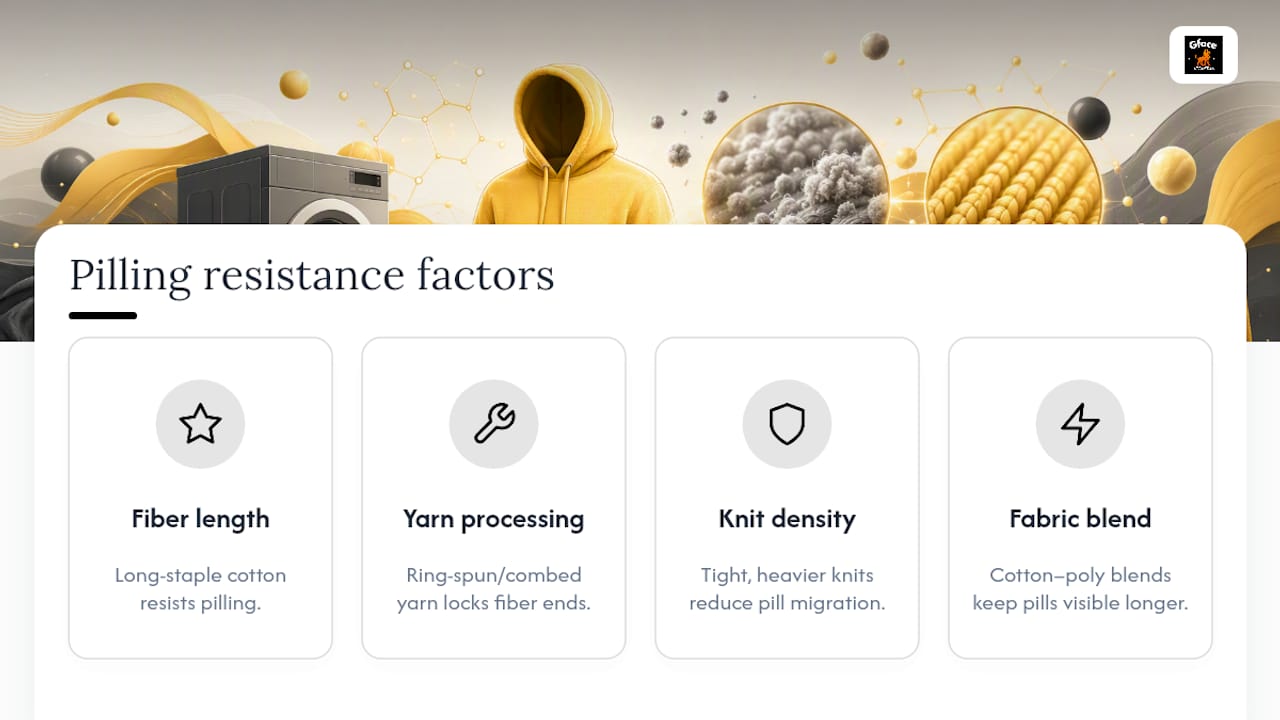
Pilling starts with abrasion, plain and simple. Every time fabric rubs against itself, a backpack strap, a car seat, or the inside of a washing machine drum, short fiber ends work loose and tangle into those little balls you feel under your fingers. REI's care guidance points to this friction, both from wear and from washing, as the primary driver behind pilling on almost any knit garment.
Fiber length matters more than most shoppers realize. Cotton spun from long-staple fibers, then processed through ring-spinning or combing, locks those fiber ends into the yarn tighter than cheap short-staple cotton does. That's why two hoodies can look identical on a rack and behave completely differently after ten washes. According to LLRULE's breakdown of hoodie construction, long-staple, ring-spun, and combed yarns resist pilling far better than the loosely spun fleece used in budget blanks.
Knit density plays its part too. A tightly knit, heavier fabric gives loose fibers fewer places to migrate to the surface. A loose, lightweight knit lets pills form fast and stick around. Blended fabrics complicate things further: the synthetic fibers in a cotton-poly blend often outlast the cotton around them, so pills that form don't break off. They just sit there, visible, for the life of the garment.
Washing Routine That Minimizes Pilling (Step-by-Step)
Your washing machine causes more pilling damage than everyday wear does, mostly because of drum friction and heat. Fix the routine and you fix most of the problem.
- Turn the hoodie inside out. This puts the smooth interior surface against other garments and the drum, sparing the outer face from direct friction.
- Zip zippers, tie drawstrings. Loose hardware chews into knit fabric mid-cycle.
- Wash cold, on gentle or delicate. Heat and aggressive tumbling both accelerate fiber breakdown, a point Whirlpool's fabric care team backs specifically for pilling prevention.
- Don't overload the drum. Crammed loads mean more garment-on-garment rubbing per cycle.
- Use a mild detergent, and skip fabric softener entirely. Softener coats fibers in a film that actually speeds loose ends toward the surface. Half a cup of white vinegar in the rinse does the same softening job without the coating.
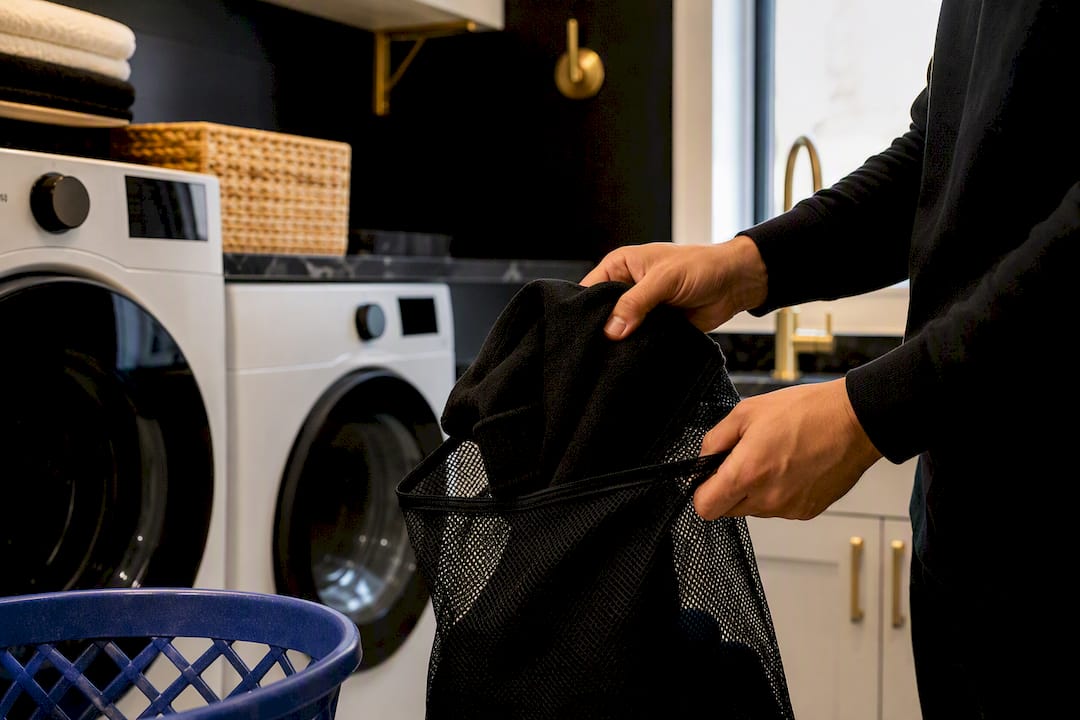
- Bag it. A fine-mesh laundry bag protects delicate or graphic hoodies from rougher items like jeans or towels in the same load.
- Wash every few wears, not after every single one, unless it's visibly dirty., not after every single one, unless it's visibly dirty.
Some detergents formulated with cellulase enzymes actively snip away loose surface fibers during the wash, which Whirlpool notes as another lever worth pulling if pilling keeps showing up fast.
Pro Tip: Keep one mesh laundry bag reserved just for your heavyweight hoodies and graphic tees. Mixing them with zippers, buttons, or rough denim in the same load undoes half the good your gentle cycle just did.
Drying, Storage, and Wearing Habits That Reduce Pilling
What happens after the wash, and what you do wearing the thing, matters almost as much as the cycle itself.
- Air-dry flat or on a hanger whenever you can. Heat is not your hoodie's friend.
- If you use the dryer, tumble on low and pull the hoodie out while it's still slightly damp, then let it finish air-drying.
- Fold hoodies instead of hanging them long-term to keep the knit from stretching out of shape.
- Store in a cool, dry spot away from direct sunlight, which breaks down fibers over time.
- Rotate which hoodies you wear, and keep Velcro patches, heavy backpacks, and rough bag straps off your favorites when you can.
Everyday friction is an underrated pilling source. Whirlpool's research flags backpack straps and seat friction specifically as culprits people rarely connect to the fuzzy patches showing up on their sleeves.
What to Look for When Buying a Hoodie That Resists Pilling
The buying decision matters more than any laundry hack you'll ever pick up. A hoodie built from the wrong yarn will pill no matter how carefully you wash it.
- Long-staple, ring-spun, or combed cotton. Look for these terms specifically, or brand names like Supima, which signal longer fiber and tighter spinning.
- Air-jet spun yarn is another quality marker worth scanning product descriptions for.
- Midweight to heavyweight fabric, meaning higher GSM (grams per square meter). Heavier, denser knits simply give fibers less room to escape to the surface.
- Explicit durability language from the brand. If a product page says nothing about fabric weight, yarn type, or care, that silence is itself a red flag.
- Cotton-poly blends aren't automatically bad, but know that the polyester in a blend can trap pills longer since it doesn't wear down and shed the way natural fiber does. Blends can work fine in performance gear where stretch matters more than a fully smooth surface.
Retailers that test their own house-brand apparel tend to spell this out. REI's product guidance notes that garments put through internal durability testing are more likely to carry explicit pilling-resistance claims, which is exactly the kind of language you want to see before you buy. If you're shopping hoodies specifically, our best zip-up hoodies roundup breaks down fabric weight and yarn terms across current picks, and heavier French terry builds like the one on Tekton LA's hooded sweatshirt page show what a properly weighted, spec-labeled construction actually looks like on a product listing.
How to Remove Pills Safely (Best Tools and Methods)
Pills that already formed aren't permanent. How you remove them determines whether the fabric survives the process intact.
- Test a hidden seam first with your fabric shaver or sweater comb, checking that the fabric can handle the tool without thinning.
- Keep the fabric taut and use short, gentle, one-directional passes. Pressing hard is how you punch a hole through thin knits.
- Choose a sweater comb over a shaver on lightweight or worn fabric, since combs apply less pressure.
- For light fuzz, a lint roller works fine. An electric razor can substitute for a shaver in a pinch, used carefully.
- Never pull pills by hand or snip with scissors. Pulling stretches the surrounding fibers and can leave permanent divots, a point Nori's fabric care guide makes clear when comparing removal methods.
- Wash the hoodie once you're done to clear the loosened fibers the shaver or comb left behind.
When Pilling Means It's Time to Replace, Not Repair
Heavy pilling within the first few wears points to a construction problem, not a care mistake. That's short-staple yarn showing its limits early. Small, scattered pilling after months of wear is normal aging and worth a quick pass with a fabric shaver.
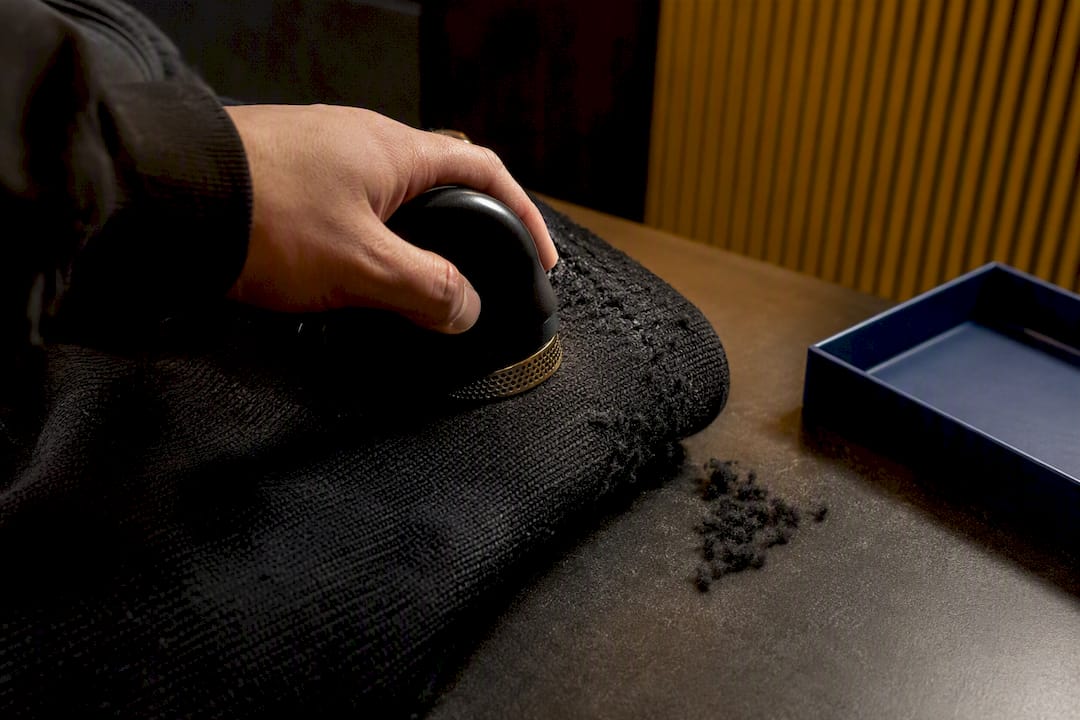
The real tell is what happens after you de-pill. If pills reappear almost immediately, the yarn is too short-staple to fight, and replacement makes more sense than repeated maintenance. A heavily pilled hoodie still has life left as loungewear or yard-work gear. Consider it a lesson for the next purchase, applying the fiber and weight checklist above.
GfaceGear Care Notes and Product Cues
GfaceGear builds its hoodies with fabric weight and yarn quality listed up front, not buried in fine print, because pilling resistance starts on the spec sheet. Every care label reflects the same routine covered here: cold wash, gentle cycle, no softener. Fold your ROAR hoodies rather than hang them to protect the knit, stretch wash intervals to every few wears, and keep a basic fabric shaver in your laundry drawer for touch-ups between drops.
The Real Trade-off Between Buying Smart and Washing Smart
Most people treat pilling as a laundry problem when it's really a construction problem wearing a laundry disguise. Buy dense, long-staple knits and your gentle cycle will actually matter. Buy cheap fleece and no washing routine will save it.
— Victor
Shop Hoodies Built for the Long Haul
GfaceGear is the alternative to guessing at fabric quality from a stock photo. Every ROAR hoodie in the lookbook lists yarn weight and care instructions right on the product page, so you know exactly what you're putting on before it ships. This is streetwear that's meant to survive the wash, the backpack strap, and the block, not just the first photo.

That same standard runs across the lineup, from mens t-shirts to limited-edition swimwear drops, hats, and lion sneakers built around the Greek Key medallion identity. If you're already comparing graphic hoodies for daily rotation, check the best graphic hoodies for streetwear fans picks alongside the lookbook to see current construction and fit side by side. Grab destiny with both hands. Preview the GfaceGear lookbook and pick your next hoodie with the fabric checklist already in hand.
Sources
- How to Prevent and Fix Pilling | REI Expert Advice
- What Is Fabric Pilling & How to Prevent It | Whirlpool
- Why Hoodies Pill (and How to Buy One That Won't) – LLRULE
- Say goodbye to pilling: effective methods for removing and preventing fabric pills
FAQ
Does pilling mean a hoodie is poor quality?
Not always. Some pilling is normal aging on any knit fabric, but heavy pilling within the first few wears usually does point to short-staple, loosely spun yarn.
Why does 100% cotton still pill?
Even pure cotton pills if it's made from short-staple fiber or loosely spun into yarn. Long-staple, ring-spun, or combed cotton resists it far better than standard fleece blends.
Does pilling ever stop completely?
Pilling slows once the loosest surface fibers have already worked free, but a garment built from short-staple yarn will keep producing new pills as long as it's worn and washed.
What fabric is worst for pilling?
Loosely knit, short-staple cotton and low-quality synthetic blends pill the fastest, since their fiber ends break loose easily and, in blends, often don't shed off the surface.
Does GfaceGear list fabric details that help avoid pilling?
Yes. GfaceGear hoodie listings include yarn weight and care instructions on the product page, giving you the same buy-time signals covered in this guide before you check out.