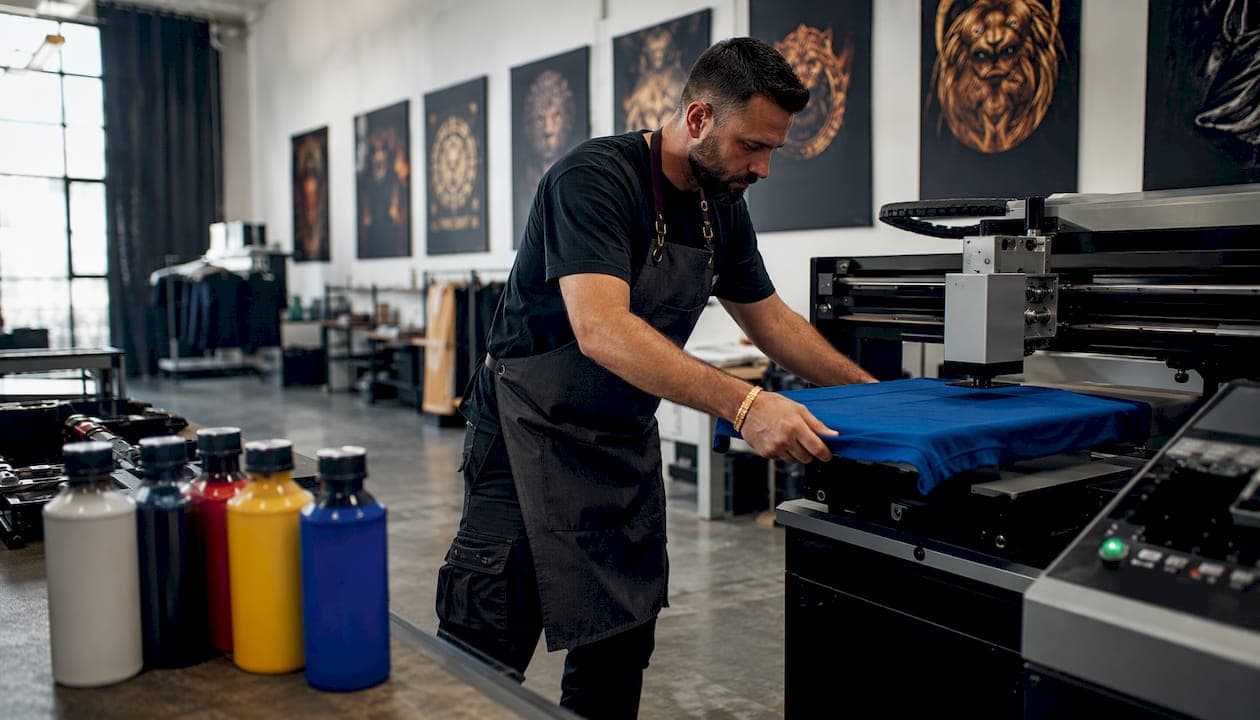
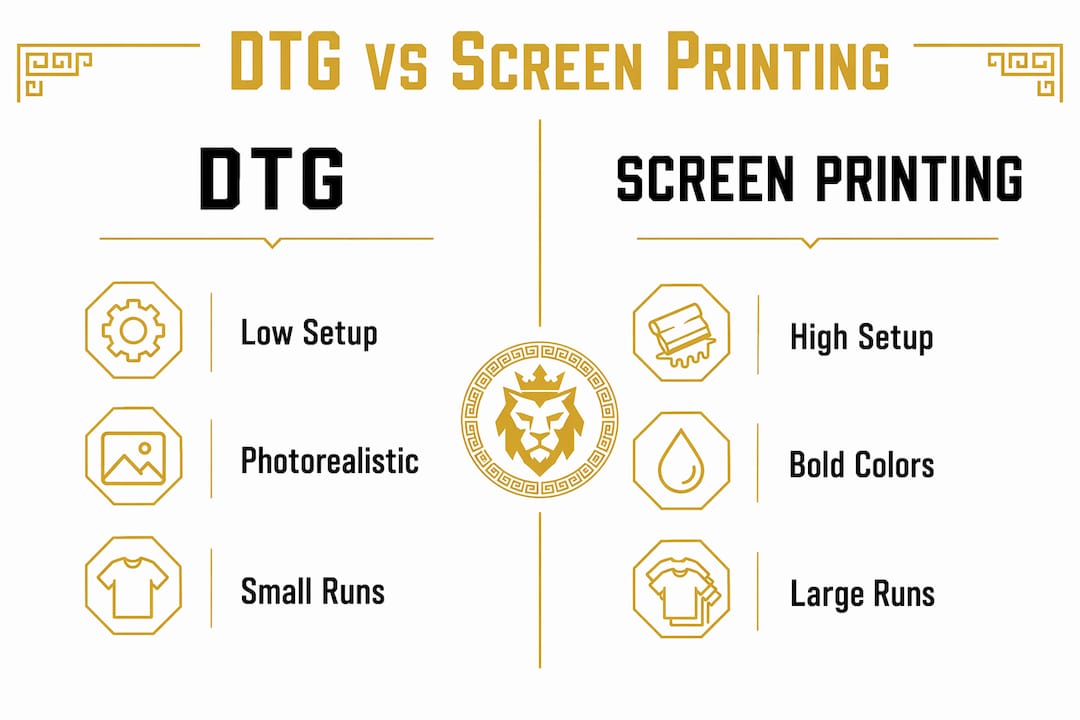
Under roughly 24 units or for photorealistic designs, DTG is your call. For runs above that threshold, specialty inks, or dark garments demanding heavy opacity, screen printing takes over. That single rule covers the majority of decisions you'll face.
Quick scenario guide:
- One-off gift or custom piece: DTG, no question. No setup cost, ships fast.
- Limited drop of 12–24 pieces: DTG keeps unit costs manageable without screen fees.
- 50+ team shirts or event merch: Screen printing drops per-unit cost significantly past the ~24-piece crossover point.
- Athletic or performance fabric (polyester-heavy): Screen printing. DTG inks struggle to bond with synthetic fibers.
- Dark shirts needing bold, opaque color: Screen printing's plastisol ink sits on top of the fabric and delivers coverage DTG's white underbase often can't match.
- Metallic, puff, foil, or discharge effects: Screen printing only. These specialty inks have no DTG equivalent.
The number to remember: Properly cured DTG on 100% cotton can survive 50+ wash cycles — but only when pretreatment and curing are done correctly.
Table of Contents
- How DTG printing works (and where it falls short)
- How screen printing works (and why it dominates at scale)
- Side-by-side comparison across every decision axis
- Break-even math: what the numbers actually look like
- Durability, curing, and how to make prints last
- How to choose the right method for your project
- How smart apparel brands combine both methods
- Key Takeaways
- The method that actually fits your brand
- Gfacegear's approach to printing on core products
- Useful sources and further reading
- FAQ
How DTG printing works (and where it falls short)
Direct-to-garment printing is essentially a modified inkjet printer built for fabric. A digital file feeds directly to the machine, which sprays water-based inks into the fibers of the garment. No screens, no color separations, no setup fees per color.
For dark shirts, the machine first lays down a white underbase, then prints the color layer on top. Before any of that happens, the garment gets pretreated with a chemical solution that helps inks bond to the fabric. After printing, the shirt goes through a heat cure (typically a tunnel dryer or heat press) to lock the inks in place. Skip or rush either step and the print will crack, fade, or wash out within a few cycles.
Where DTG genuinely shines:
- Photorealistic artwork and gradients with hundreds of colors, all in a single pass, with no per-color setup costs
- On-demand fulfillment: a single shirt can be printed and ready in under an hour at many shops
- Soft hand feel, because the inks absorb into the fibers rather than sitting on top
- Small batches and one-offs where screen setup fees would make the economics absurd
Where it gets tricky:
- Per-unit cost stays relatively flat regardless of quantity, so there's no volume discount built into the process
- Opacity on dark garments depends entirely on white underbase quality, and results vary by machine and operator
- Fabric composition matters a lot. DTG performs best on 100% cotton; polyester-heavy blends require specialized pretreatment chemistry and often yield duller, less saturated results
Pro Tip: Ask any DTG printer for their pretreatment protocol before committing to a dark-shirt order. A shop that can't tell you their cure temperature and dwell time is a shop that hasn't dialed in their process.
How screen printing works (and why it dominates at scale)
Screen printing pushes ink through a mesh stencil (the "screen") directly onto the garment using a squeegee. Each color in the design requires its own screen, which is why setup costs scale with color count. Once screens are made, a press operator runs shirts through the station in sequence, and the finished garments go through a conveyor dryer that cures plastisol ink at around 320°F.
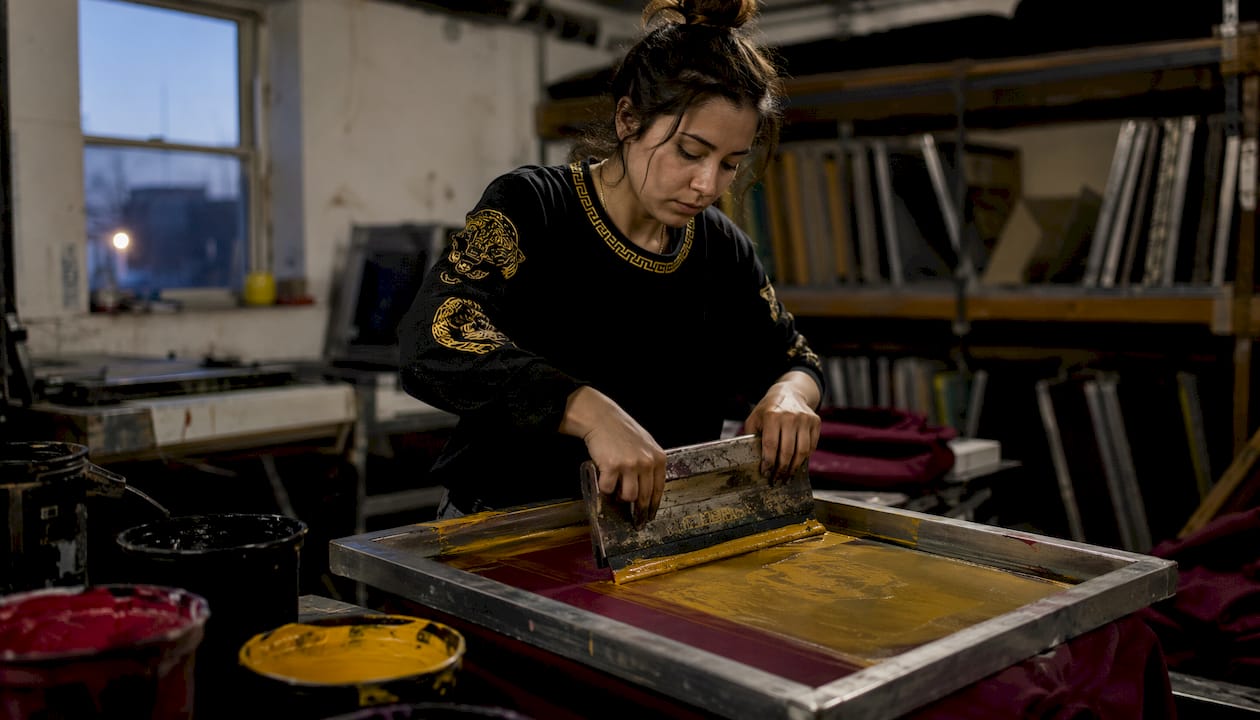
That ink sits on top of the fabric rather than absorbing into it. That's the key physical difference from DTG, and it explains most of screen printing's advantages.
Core strengths:
- Superior opacity on dark garments: thick ink laydown covers fabric color without relying on a digital underbase
- Excellent wash durability, with heavy-use garments routinely lasting 100+ washes
- Per-unit cost drops sharply with volume, making large runs significantly cheaper than any digital method
- Access to specialty inks: discharge (removes dye for a vintage, soft feel), metallic, puff, foil, and glow-in-the-dark effects that are effectively exclusive to screen printing
Real limitations to know:
- Setup cost per color (typically $20–$50 per screen) makes low-quantity orders expensive
- Photorealistic or gradient-heavy artwork is difficult and costly; each color transition requires a separate screen
- Minimum order economics usually favor 24+ pieces, sometimes higher depending on the shop
- Color count should stay under six for most jobs; pushing beyond that inflates both cost and registration complexity
Side-by-side comparison across every decision axis
Here's how the two methods stack up across the dimensions that actually drive decisions:
| Dimension | DTG | Screen Printing |
|---|---|---|
| Setup cost | Near zero | $20–$50 per color screen |
| Per-unit cost (1–12 shirts) | Lower | Higher (setup amortized over few units) |
| Per-unit cost (25–50 shirts) | Moderate | Competitive |
| Per-unit cost (51–200 shirts) | Higher | Lower |
| Per-unit cost (200+ shirts) | Highest relative | Lowest relative |
| Best order size | 1–24 pieces | 24+ pieces |
| Print quality/detail | Photorealistic, full color | Limited by color count |
| Color vibrancy on white | Excellent | Excellent |
| Opacity on dark garments | Moderate (underbase dependent) | Superior |
| Durability (washes) | 30–60 on 100% cotton (properly cured DTG) | 100+ for heavy-use garments (screen printing) |
| Fabric compatibility | Best on 100% cotton | Works on most fabrics |
| Hand/feel | Soft, fabric-integrated | Thicker, raised texture |
| Turnaround/on-demand | Minutes to hours | Hours to days (setup required) |
| Specialty inks | Not available | Discharge, metallic, puff, foil |
| Sustainability | Water-based inks, low setup waste | Higher water/chemical use (varies by shop) |
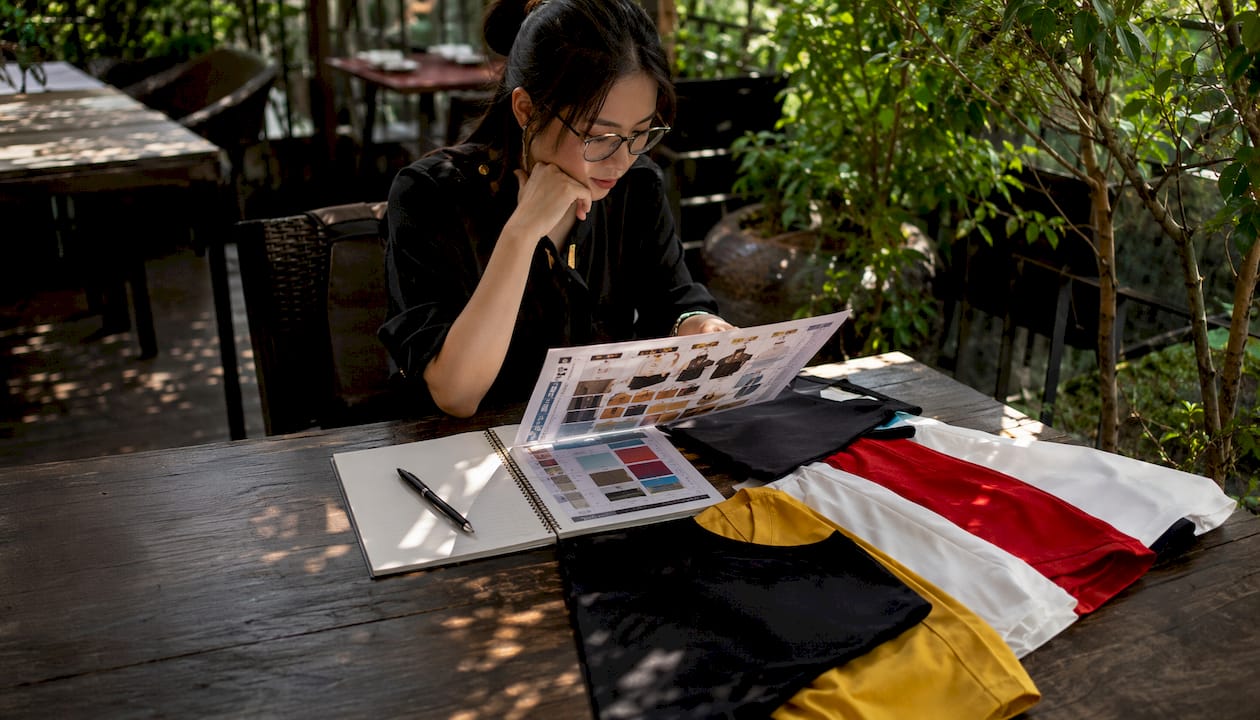
The environmental picture is nuanced: DTG's water-based inks and zero-screen-waste process generally produce less chemical runoff, but screen printing shops that have adopted greener practices close that gap considerably.
Pro Tip: White underbase on dark DTG shirts consumes significantly more ink than a standard light-shirt job. Factor that into cost estimates — some shops charge a separate dark-garment surcharge of $2–$5 per shirt specifically for this reason.
Break-even math: what the numbers actually look like
The break-even formula is straightforward. Total cost for screen printing equals setup cost (number of colors × screen fee) plus per-unit production cost times quantity. Total cost for DTG equals per-unit cost times quantity, with no setup. The crossover happens where those two lines intersect.
Sample figures (conservative estimates, single-color design):
- 1 shirt: DTG ~$15–$25. Screen printing ~$55–$80 (setup + production). DTG wins by a wide margin.
- 12 shirts: DTG ~$180–$300. Screen printing ~$90–$150 (setup amortized). Screen printing starts to compete.
- 24 shirts: DTG ~$360–$600. Screen printing ~$120–$240. Screen printing is clearly cheaper.
- 50 shirts: DTG ~$750–$1,250. Screen printing ~$175–$350. Screen printing wins decisively.
- 200 shirts: DTG ~$3,000–$5,000. Screen printing ~$400–$800. No contest at this volume.
Add colors and the screen printing setup cost rises fast. A six-color design adds $120–$300 in screen fees alone, pushing the break-even point higher. Dark garments shift it further still, because DTG ink consumption for the white underbase raises per-unit cost by $2–$5.
Pro Tip: Printers often quote a base price that excludes pretreatment charges, white ink purge costs, artwork separation fees, and sample charges. Always ask for an all-in quote that includes those line items before comparing bids.
Durability, curing, and how to make prints last
Most DTG failures aren't a technology problem. They're a process problem. Improper pretreatment or insufficient curing accounts for the vast majority of prints that crack, fade, or wash out early — not any inherent weakness in the ink chemistry itself.
What determines longevity for both methods:
- Pretreatment (DTG): The chemical solution must be applied evenly and dried before printing. Uneven application causes blotchy color; skipping it on dark garments means the white underbase won't adhere.
- Cure temperature and dwell time: Plastisol for screen printing cures at around 320°F through a conveyor dryer. DTG inks typically need 330–340°F for 60–90 seconds on a heat press, or equivalent tunnel dryer settings. Under-cured prints feel tacky and wash out fast.
- Fabric composition: 100% cotton holds DTG ink best. Blends with more than 50% polyester require specialized chemistry and still tend to produce softer, less saturated results.
- Ink chemistry: Plastisol (screen printing) is thermoplastic, meaning it fuses to itself and the fabric surface under heat. Water-based DTG inks cure differently and are more sensitive to process variation.
Independent testing shows DTG longevity at 30–60 washes when properly processed, versus 100+ washes for screen-printed plastisol on heavy-use garments. Properly cured modern DTG on 100% cotton can approach the upper part of that range.
Care instructions to pass on to customers:
- Wash inside-out in cold water
- Avoid bleach and fabric softeners
- Tumble dry on low or hang dry
- Do not iron directly on the print
Red flags when vetting a printer:
- No pretreatment step mentioned for dark DTG jobs
- Vague or refused answer on cure temperature
- No sample or test print offered before a bulk run
Pro Tip: Run your own verification: wash and dry a sample print five times before approving a bulk order. If color shifts or cracking appears by wash three, the cure is off.
How to choose the right method for your project
Work through these steps before you contact a printer:
- Confirm your quantity. Under 24 pieces, default to DTG unless a specific effect requires screen printing. Over 24, run the break-even math.
- Identify your fabric. 100% cotton? Either method works. Polyester or performance blend? Screen printing is more reliable.
- Assess design complexity. Photographic detail or gradients? DTG. Flat colors under six? Screen printing is cost-effective and durable.
- Check color count. Every color in a screen print job is a screen fee. A six-color design at 30 shirts can cost more than a 12-color DTG run at the same quantity.
- Define your opacity requirement. Bold white or bright colors on a black shirt? Screen printing's plastisol coverage is hard to beat. Softer, vintage-feel print? DTG or discharge screen printing.
- Set your turnaround target. Need it in 24 hours? DTG. Can you wait a week for setup? Screen printing.
- Decide on specialty effects. Metallic, puff, foil, or glow? Screen printing only.
Questions to ask any printer before committing:
- Can I see a sample print on my specific garment and color?
- What's your cure temperature and dwell time for DTG jobs?
- What's your white underbase opacity percentage on dark shirts?
- What ink types do you stock (plastisol, water-based, discharge)?
- What are your minimums and turnaround times by method?
One-line heuristics: if you need photographic detail or single-piece on-demand fulfillment, pick DTG. If you need bold opacity on dark performance fabric or any specialty ink effect, pick screen printing.
How smart apparel brands combine both methods
The most profitable approach isn't choosing one method permanently. It's using each where it wins. Small brands that treat DTG and screen printing as complementary tools consistently outperform those that commit to one method across all SKUs.
A practical hybrid workflow:
- Prototype stage: Print one or two samples via DTG. No screen fees, fast turnaround, easy to iterate on artwork.
- Limited drop (12–24 units): DTG keeps unit economics reasonable while you test market response.
- Validated SKU (consistent reorders, 50+ units): Transition to screen printing. Setup cost amortizes quickly, and per-unit cost drops substantially.
- Staple items: Screen printing for core tees and hoodies that reorder regularly. DTG for personalized or one-off variants.
Operational notes for hybrid fulfillment:
- Keep DTG and screen print files in separate folders with color-mode specs noted (RGB for DTG, Pantone/spot for screen)
- Track reorder velocity per SKU; when a design hits consistent 50+ unit reorders, flag it for screen print transition
- For dark garments, always request a physical sample from the screen printer before approving a run
At Gfacegear, this workflow maps directly to how limited drops and staple pieces get handled differently. A limited swimwear drop or a special-edition tee with photographic lion artwork goes DTG for the initial run. Core men's tees with the Greek Key medallion graphic, which reorder consistently, are candidates for screen printing once volume justifies the setup.
Pro Tip: The trigger to move a SKU from DTG to screen printing isn't just volume. It's also design simplicity. A six-color photorealistic design that sells 200 units might still be cheaper on DTG than paying for six screens. Simplify the artwork to three or four spot colors first, then move it to screen printing.
Key Takeaways
Screen printing wins on cost and durability at scale; DTG wins on flexibility, design complexity, and small-run economics. The ~24-piece crossover is the single most useful number in this decision.
| Point | Details |
|---|---|
| Break-even at ~24 pieces | DTG is cheaper under ~24 units; screen printing wins beyond that threshold. |
| Fabric drives method choice | DTG performs best on 100% cotton; polyester-heavy blends favor screen printing. |
| Durability gap is real | Screen printing lasts 100+ washes; properly cured DTG reaches 30–60 washes on cotton. |
| Specialty inks are screen-only | Metallic, puff, foil, and discharge effects are not available via DTG. |
| Gfacegear uses both | Limited drops and photographic designs run DTG; high-velocity staple tees move to screen printing. |
The method that actually fits your brand
Most articles frame this as a competition. It isn't. The real question is which method fits which SKU at which stage of its life.
Here's what gets missed in most screen printing vs DTG comparisons: the "hand" of the print matters as much as the economics, especially in streetwear. Screen printing leaves a thicker, raised texture that some customers associate with quality. DTG creates a softer, garment-integrated finish that high-end streetwear labels often prefer because it doesn't interrupt the drape of a premium tee. Neither is objectively better. They signal different things to the person wearing the shirt.
The other thing most guides understate is how much process quality varies between shops. A well-run DTG operation with proper pretreatment and a calibrated tunnel dryer will outlast a sloppy screen print job every time. The method matters less than the operator's discipline. Before you commit to any printer, ask for a sample. Wash it five times. That tells you more than any spec sheet.
For a brand like Gfacegear, the hybrid approach isn't just economically logical. It's creatively flexible. Limited drops with complex lion artwork or Boricua heritage graphics get the photorealistic treatment DTG enables. Staple pieces that reorder consistently get the durability and opacity that screen printing delivers. The two methods aren't in competition. They're doing different jobs.
Gfacegear's approach to printing on core products
Gfacegear runs DTG for limited-edition drops where photographic detail and fast turnaround matter most. The Limited Boriqua Swimwear and special-edition tees with complex lion graphics are exactly the kind of pieces where DTG's no-setup flexibility pays off. For core men's tees and hats with the Greek Key medallion, screen printing's durability and opacity make more sense as volume builds.
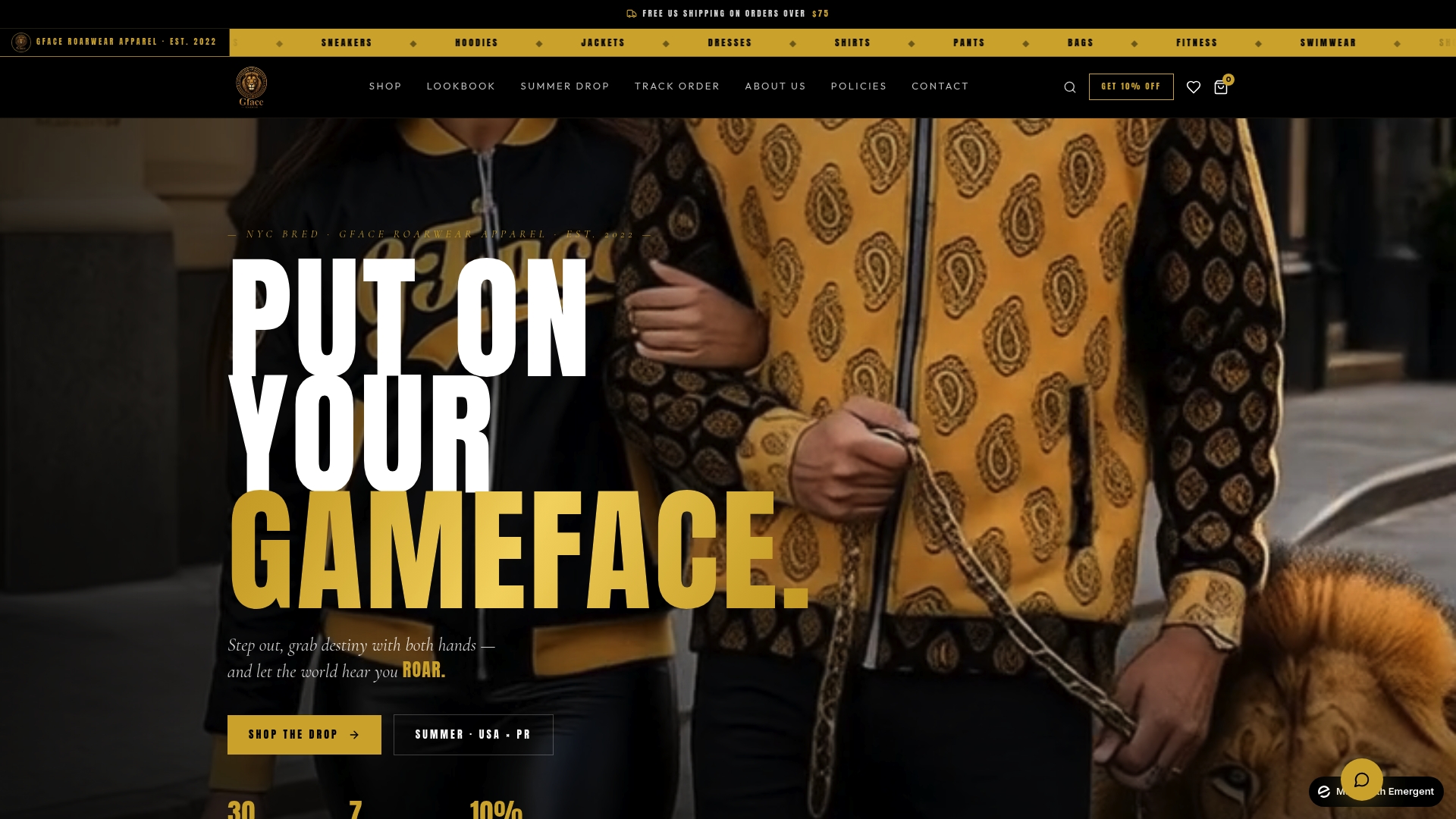
The result is apparel that holds up wash after wash, with prints that look as sharp on the 30th wear as they did on the first. If you want to see how that translates to finished product, the Gfacegear lookbook shows the current lineup across tees, hats, and limited swim drops. Browse the collection, check the current drops, and reach out if you want to know the production specs behind a specific piece.
Useful sources and further reading
These are the sources that informed this article's technical claims. Each is worth bookmarking if you're making production decisions.
- Printable Press — Screen Printing vs DTG Printing: The clearest cost-per-shirt comparison available, with the ~24-piece crossover documented and fabric guidance for both methods.
- Ricoh DTG — Is DTG Printing Durable?: Manufacturer-level detail on pretreatment and curing requirements; useful for evaluating a printer's process claims.
- Printful — DTG vs Screen Printing: Solid overview of opacity and durability differences, with practical guidance on dark garment handling.
- Printify — DTG vs Screen Printing: Good coverage of turnaround speed, design complexity, and environmental considerations.
- Printing Planet UK — How Long Does DTG Printing Last?: The wash-longevity table (30–60 washes for DTG, 100+ for screen printing) is the most cited independent benchmark in the industry.
Before committing to any large run, request cure specs in writing and ask for a physical sample. A printer confident in their process will provide both without hesitation.
FAQ
Is DTG better than screen printing?
Neither method is universally better. DTG wins for small runs, photorealistic designs, and on-demand fulfillment; screen printing wins for large volumes, dark garments needing heavy opacity, and specialty ink effects.
Which is more expensive, DTG or screen printing?
DTG costs more per unit at high volumes because it has no setup discount. Screen printing has higher upfront setup costs but drops sharply in per-unit price past roughly 24 pieces, making it cheaper for larger runs.
Is DTF replacing screen printing?
Direct-to-film (DTF) is growing as a third option, particularly for synthetic fabrics where DTG struggles, but screen printing's durability, opacity, and specialty ink capabilities keep it dominant for large-volume and specialty-effect work.
What lasts longer, screen printing or DTG?
Screen printing typically lasts 100+ washes for heavy-use garments. Properly cured DTG on 100% cotton reaches 30–60 washes, with well-processed modern equipment approaching the higher end of that range.