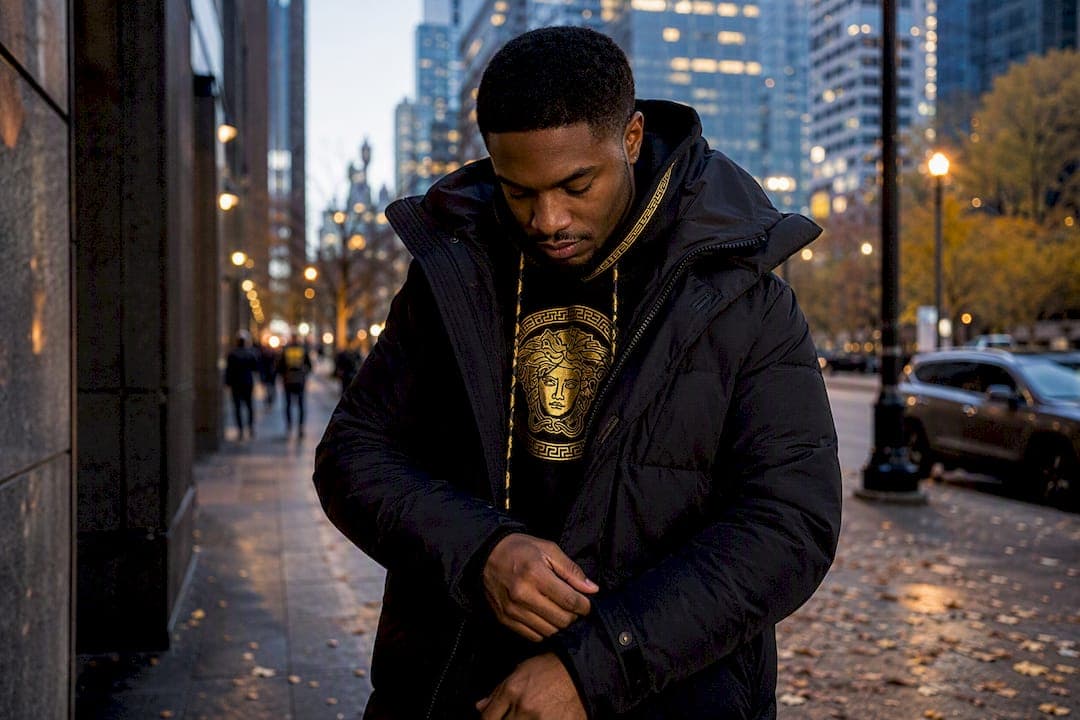
The most versatile winter streetwear uniform is simple: hoodie + puffer or parka + straight-leg denim + a clean sneaker or lug-sole boot + beanie. This is your foundation. Everything else in this guide is a variation on it, built to keep you warm without losing the silhouette that makes streetwear read as intentional instead of just bundled up.
Streetwear guides consistently point to the same winning formula: relaxed outerwear over a hoodie, paired with straight or cargo pants, according to BeigeBrown's outfit breakdown. Victor, who leads styling direction for Gfacegear, built the looks below around that same logic. Copy any of these as-is:
- The Everyday Uniform — Hoodie, puffer, straight jeans, sneakers, beanie. Works for most winter days.
- The Parka Stack — Long parka, cropped hoodie, cargo pants, lug-sole boots. Why it works: length contrast at the hem.
- The Loungewear Crossover — Matching fleece set, open bomber, slides swapped for insulated sneakers outside.
- The Techwear Layer — Tactical hooded jacket, thermal base, tapered pants, chunky sneakers.
- The Suede Mule Look — Structured wool coat, chunky socks, suede mules, straight denim.
- The Varsity Remix — Varsity jacket over hoodie, wide jeans, retro sneakers, knit beanie.
- The Semi-Casual Layer — Long tee dress, tights, oversized coat, boots, crossbody bag.
Full styling notes, footwear pairings, and fabric picks are below, along with layering rules that keep any of these warm down to freezing.
Key Takeaways
Winter streetwear works when one intentional layering formula, hoodie, insulated outer layer, straight denim, and considered footwear, gets repeated with small swaps rather than reinvented for every outfit.
| Point | Details |
|---|---|
| Start with one uniform | Hoodie, puffer or parka, straight jeans, sneakers, and a beanie cover most winter days. |
| Layer by function | Base layer insulates, mid layer adds warmth, outer layer blocks wind. Stack all three deliberately. |
| Pick one texture anchor | Suede, wool, or another standout texture ties multiple fabrics together in photos and in person. |
| Match footwear to weather | Lug-sole boots for snow, insulated sneakers for dry cold, suede mules for milder structured days. |
| Shop the categories, not just the outfit | Gfacegear's hoodies, hats, lion sneakers, and limited drops map directly onto the outfit formulas above. |
Table of Contents
- Eight Ready-to-Copy Winter Streetwear Outfits
- How Do You Layer for Winter Streetwear Without Losing Your Shape?
- Which Shoes, Socks, and Accessories Finish a Winter Streetwear Look?
- What Colors and Fabrics Work Best for Winter Streetwear?
- How Do You Adapt Winter Streetwear to Snow, Rain, or Dry Cold?
- Which Sustainable Streetwear Brands Are Worth Supporting?
- Which Outerwear Type Actually Fits Your Winter Streetwear Look?
- Sources
- FAQ
Eight Ready-to-Copy Winter Streetwear Outfits
Street-style galleries prove the same thing season after season: the best winter looks are the ones you can build from five or six pieces, not fifteen. Editorial roundups from outlets like Harper's Bazaar lean on this exact economy, mixing a handful of core garments into looks that photograph well and move easily through a city day. Here are eight you can build this week.
- The Puffer and Straight Denim Combo. Core pieces: mid-length puffer, graphic hoodie, straight jeans. Footwear: leather sneakers. Why it works: the puffer's volume balances against straight denim so you don't look swallowed. Warmer variation: add a thermal layer under the hoodie and swap sneakers for lug-sole boots.
- The Parka Over Everything. Core pieces: long parka, cropped hoodie, cargo pants. Footwear: chunky boots. Why it works: the crop-to-long ratio at the waist creates visual proportion even under bulk.
- The Techwear Layer. Core pieces: tactical hooded jacket, base-layer top, tapered joggers. Footwear: insulated sneakers. Why it works: the hood and structured seams read as deliberate, not just functional, per ATLAS 1's techwear jacket line.
- The Suede Mule Uniform. Core pieces: structured wool coat, straight-leg denim, chunky socks. Footwear: suede mules. This pairing is called out repeatedly as a genuinely repeatable winter streetwear formula because it balances warmth and silhouette without overdressing.
- The Varsity Remix. Core pieces: varsity jacket, hoodie underneath, wide-leg jeans. Footwear: retro sneakers. Oversize the jacket, keep the jeans structured, not baggy.
- The Long Tee Dress Layer. Core pieces: long tshirt dress, fleece-lined tights, oversized wool coat. Footwear: ankle boots. Why it works: the dress length plus coat length creates a clean vertical line, a genuinely underused winter streetwear move.
- The Lion Hoodie Statement. Core pieces: graphic hoodie, puffer vest, straight cargo pants. Footwear: lion-motif sneakers. Why it works: one bold graphic anchors the whole look so everything else can stay neutral.
Fit rule across all eight: pick ONE oversized piece and keep the rest close to body. Two oversized pieces at once erase your shape entirely.
How Do You Layer for Winter Streetwear Without Losing Your Shape?
Layering for cold weather streetwear breaks into three categories, and each one has a job, as detailed in this layering graphic hoodies guide for casual style. Base layer: thermal cotton or merino wool against skin, doing the actual insulating work. Mid layer: hoodie, flannel, or midweight knit, adding warmth while staying visible in the final look. Outer layer: puffer, parka, or wool coat, blocking wind and finishing the silhouette.
The mistake most people make is treating the outer layer as the only insulation. Stack correctly instead:
- Swap in a thermal base layer under any hoodie for an extra 10 to 15 degrees of comfort without changing how the outfit looks.
- Add an insulated vest between hoodie and coat on the coldest days. It disappears visually but adds real warmth.
- Choose a midweight knit over a thin one when the outer layer is unstructured, like an open bomber.
Keeping proportions intentional under three layers comes down to hem and cuff management. If your coat is oversized, tuck or crop what's underneath so at least one edge stays clean. Matching your hoodie hem to just above your pocket line, for instance, keeps a bulky puffer from swallowing you.
Pro Tip: Pick one texture anchor, like suede boots or a wool coat, and let every other fabric play a supporting role. It's the fastest way to make three mismatched layers look like one considered outfit.
Which Shoes, Socks, and Accessories Finish a Winter Streetwear Look?
Footwear decides whether cold weather streetwear reads as put-together or just padded for survival. Match the shoe to the weather and the outfit's formality:
- Lug-sole boots for snow, slush, or anything requiring traction and ankle coverage.
- Insulated leather sneakers for dry cold days when you still want a cleaner sneaker silhouette.
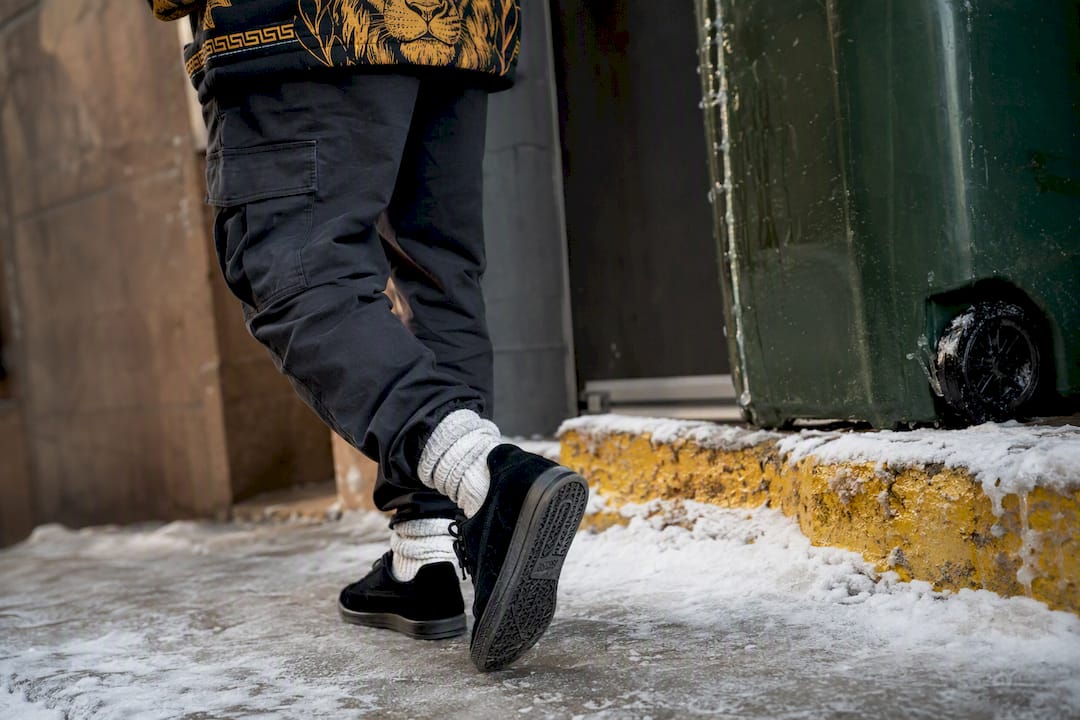
- Suede mules with chunky socks for milder, structured winter days, since suede performs best when protected from moisture rather than pushed through slush.
Socks matter more than most people admit. A chunky, ribbed sock pulled slightly over the ankle adds visual weight at the shoe line, balancing an oversized coat above it. Thin socks under bulky boots create an awkward gap; go heavier, not thinner.
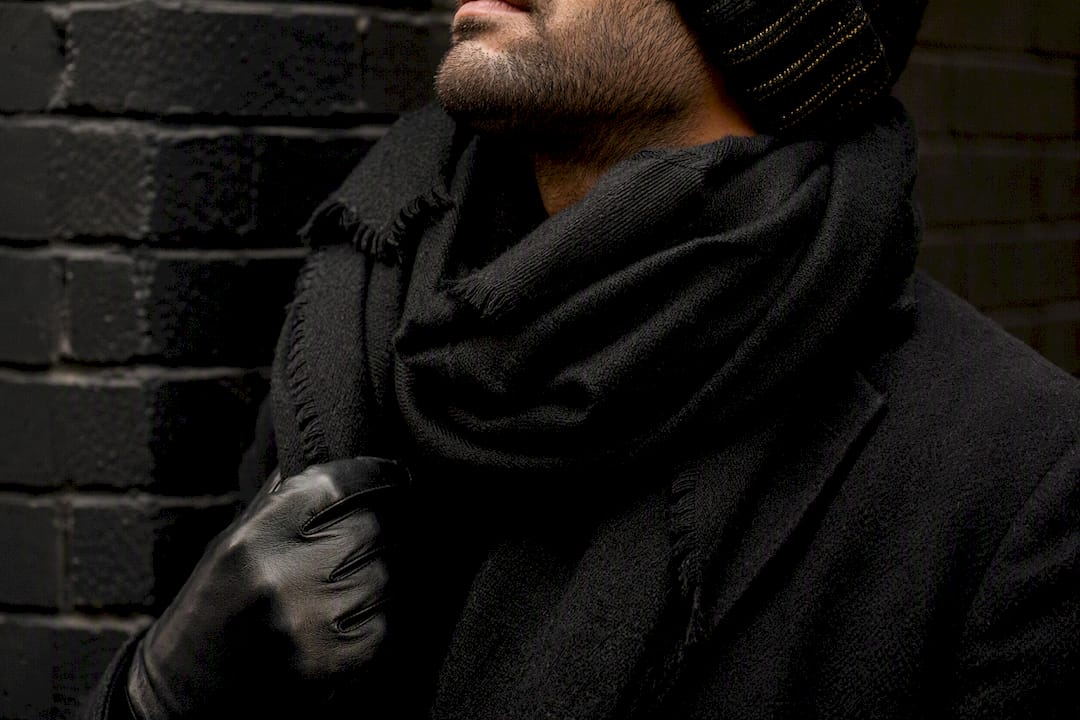
Accessories carry the rest of the warmth budget. A beanie protects heat loss from your head, a wool scarf adds a texture anchor near your face, and lined gloves keep hands functional without bulk. A crossbody bag adds a diagonal line that breaks up a boxy coat silhouette. Suede shoes need a protective spray before their first wear in wet conditions, plus a soft brush after each use to keep the nap from matting.
What Colors and Fabrics Work Best for Winter Streetwear?
Neutral-first is the safest and most photogenic call: black, gray, tan, and off-white as your base, with one muted accent color like olive or burgundy. This isn't a limitation. Coordinated, tonal palettes are consistently easier to repeat daily and to mix across pieces without a color plan falling apart, according to research on layered streetwear coordination.
Fabric choice affects both warmth and how the outfit photographs:
- Wool insulates well and drapes cleanly on outerwear and coats.
- Fleece is lightweight and warm for mid layers, but pills fast with heavy wear.
- Nylon sheds water and wind on puffers, though it can look flat without texture nearby.
- Suede adds visible texture on shoes and jackets but needs weather protection.
A single texture anchor, like a suede shoe against a smooth puffer, ties multiple fabrics together and reads as deliberate rather than accidental in photos. Protect suede pieces with spray before wear, and store knitwear folded, never hung, to avoid stretched shoulders.
How Do You Adapt Winter Streetwear to Snow, Rain, or Dry Cold?
Snow, rain, and dry cold each demand a different priority, even when the outfit formula stays the same. Dry cold is the most forgiving. Focus on insulation layers, since wind and moisture aren't fighting you, and lean into fabrics like suede or wool that would suffer in wet conditions.
Rain changes your outer layer math completely. Swap any suede piece for a water-resistant nylon or treated cotton, and prioritize a hood over a beanie since wet hair kills a look faster than any outfit choice. Lug-sole boots earn their place here, not just for snow.
Snow demands the most functional adjustments. Insulated, waterproof footwear becomes non-negotiable, and cuffed pants or gaiters keep slush from soaking your ankles. A longer parka beats a cropped puffer in genuine snowfall since it protects more of your legs.
The trick to adapting without rebuilding your whole wardrobe is keeping your core formula consistent and treating outerwear and footwear as the only variables. Your hoodie, denim, and beanie can stay identical across all three conditions. Only the coat and the shoes need to change, which is exactly why the layering rules above matter more than any single outfit combination. Build two or three outer-layer and footwear pairings for different weather, then rotate them under the same base outfit.
Which Sustainable Streetwear Brands Are Worth Supporting?
Sustainable and ethical production is becoming a real factor in how streetwear fans choose where to spend. Look for print-on-demand and made-to-order models first, since they avoid overproduction by manufacturing only what's actually ordered rather than stockpiling excess inventory that ends up discarded. This is also how Gfacegear approaches its limited-edition drops: pieces are produced against real demand instead of mass-run and dumped.
Beyond production model, a few practical checks help separate genuine sustainability from marketing language. Favor brands using natural fiber blends like wool and organic cotton over pure synthetic runs, since synthetics shed microplastics with every wash. Check whether a brand discloses its manufacturing partners at all. Transparency is a stronger signal than a vague "eco-friendly" label with no specifics behind it.
Limited-run drops also cut waste in a second, less obvious way. When a piece sells out and isn't restocked indefinitely, it holds resale value and stays out of landfill longer because people keep it rather than replace it. That's part of the logic behind capsule releases like Gfacegear's Limited Boriqua Swimwear: scarcity reduces both overproduction and the throwaway cycle that fast fashion runs on.
If sustainability matters to your winter streetwear choices, prioritize brands that name their production process, use natural or recycled fiber blends, and release in limited quantities rather than endless restocks. That combination does more real environmental work than any single "sustainable" label on a tag.
Which Outerwear Type Actually Fits Your Winter Streetwear Look?
Parkas, puffers, and structured coats each solve a different problem, and picking the wrong one is the most common reason a winter streetwear outfit falls apart.
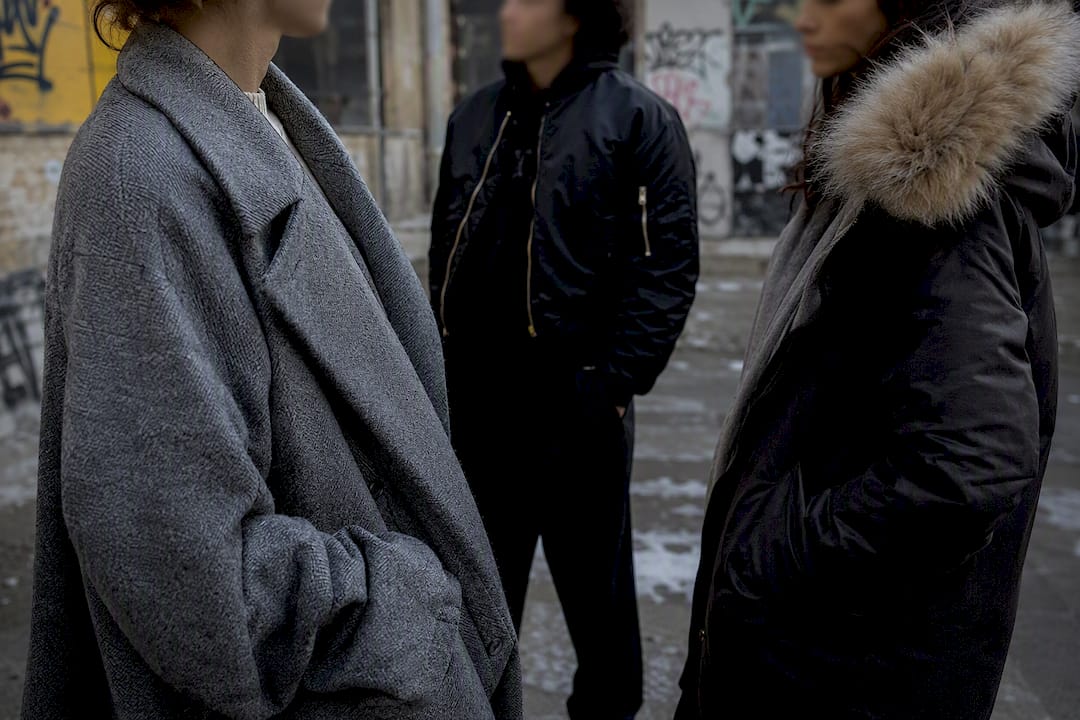
Parkas are the workhorse of cold weather streetwear. Long, often hooded, and built for wind resistance, they pair naturally with a cropped hoodie underneath to create that length contrast street-style editors keep coming back to. A detailed breakdown of streetwear outerwear covers fit notes worth checking before you buy one.
Puffers trade length for insulation efficiency. A mid-length puffer over straight denim is close to the default winter streetwear uniform because puffers trap heat without adding the visual weight of a full-length coat. Puffer vests layer under a parka or bomber on the coldest days without changing the outfit's outline; see specific puffer picks and fit guidance for cut and insulation type.
Structured coats, wool or otherwise, push a look toward semi-casual. They work best over a hoodie or long tee, paired with straight denim or a long tee dress, and they're the piece that makes an outfit read as put-together rather than just warm.
Techwear jackets are the newest category to earn a real place in streetwear rotation, built with tactical detailing and hood structure that reads intentional rather than purely functional, as seen in tactical winter jacket designs. Pick your outerwear based on the silhouette you want first, then confirm it's warm enough for your actual climate.
Victor's Take: One Uniform, Built to Last All Winter
My styling philosophy is simple: pick one hero piece, build everything else to support it, and never let warmth compromise your line. My personal winter uniform is a Gfacegear graphic hoodie under a puffer vest, straight cargo pants, and lion sneakers. One creative trick from shoots: a single bold color, usually on footwear, does more work than three coordinated pieces ever will.
Shop the Looks: Where to Find Pieces That Match
Every outfit above is built from categories Gfacegear actually stocks: graphic hoodies, hats, lion sneakers, long tshirt dresses, and mens tees, plus limited-edition drops like the Boriqua Swimwear capsule for readers planning ahead to warmer trips. If you're piecing together the Lion Hoodie Statement look or the Long Tee Dress layer above, you don't need five different retailers. One drop can cover the hoodie, the sneakers, and the hat in a single checkout.
VIP members get early access to limited drops before they sell out, plus sitewide discounts that make building a full winter rotation less of a hit to your wallet. For more outfit-building ideas beyond winter, the men's streetwear outfit guide breaks down seasonal formulas year-round. Ready to build your uniform? Head to Gfacegear and shop the current drop before it's gone.
Sources
- Streetwear outfit ideas for men — BeigeBrown
- Model off-duty winter style — Harper's Bazaar
- Why suede mules and chunky socks are the ultimate winter streetwear uniform — DesignScene
FAQ
What's the easiest winter streetwear outfit to copy?
Hoodie, puffer or parka, straight-leg jeans, sneakers, and a beanie. It's warm, flexible, and works across casual and semi-casual settings without any special pieces.
How do you keep a bulky winter coat from looking sloppy?
Keep only one piece oversized at a time and manage hem and cuff lines so at least one edge of the outfit stays clean, like cropping a hoodie under a long parka.
What footwear works best for winter streetwear?
Lug-sole boots handle snow and slush, insulated leather sneakers suit dry cold, and suede mules with chunky socks work on milder, structured days.
Are suede shoes practical for winter streetwear?
Suede works well in dry or lightly wet conditions if treated with a protective spray beforehand, but it isn't ideal for heavy snow or slush exposure.
Where can I find pieces that match these winter streetwear looks?
Gfacegear stocks hoodies, hats, lion sneakers, long tshirt dresses, and limited drops built around the same categories used in the outfit formulas throughout this guide.