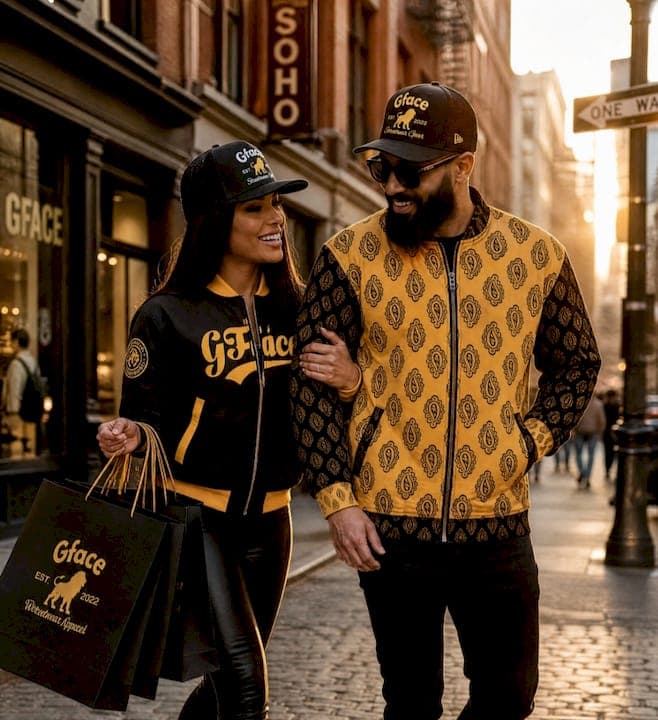
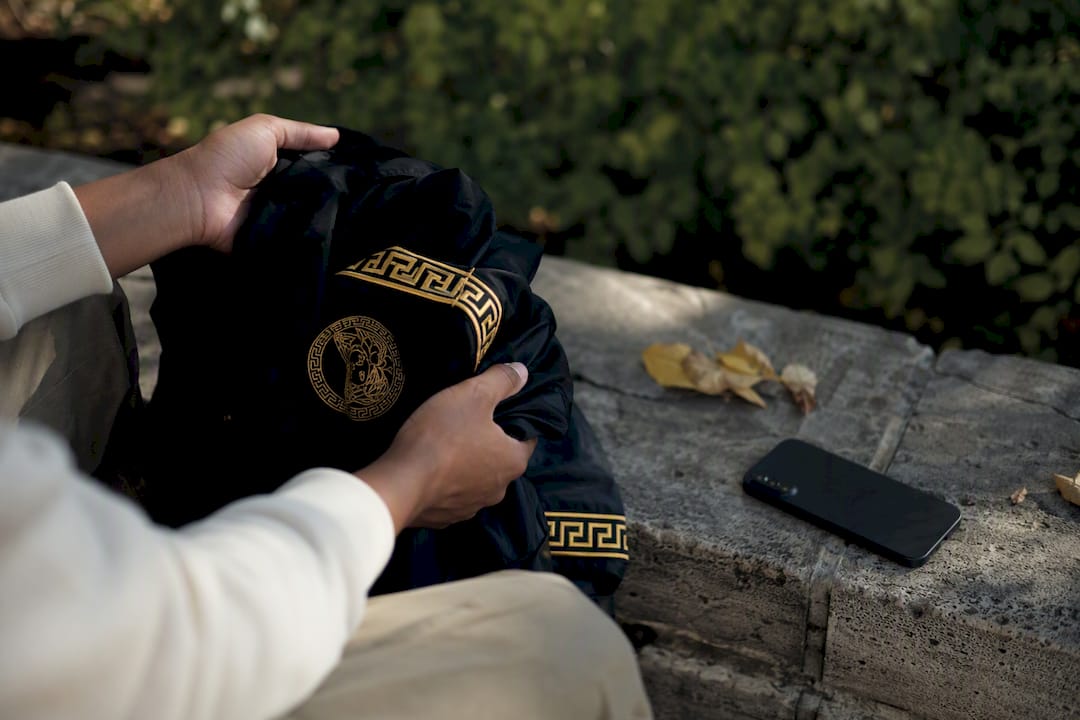
This 2026 streetwear drop calendar tracks confirmed and rumored releases from the brands you actually chase, with dates, drop times, and the retail channel for each entry. You get status labels (confirmed, announced, rumored), regional time notes, and a repeatable weekly checkpoint so you stop refreshing pages at random. We update it as brands post lookbooks and retailers open raffles, so treat it as a living tracker, not a one-time list.
TL;DR:
- The calendar emphasizes checking confirmed release dates posted by brands or retailers, with lookbooks usually released two to three days prior to drops.
- Regional timing matters: a 10 AM New York drop occurs at 3 PM in London and the next day in Tokyo, requiring region-specific planning.
- Collaboration weeks, especially for capsules involving two brands, generate faster sellouts and warrant higher priority on your watchlist.
- Most established brands follow a weekly drop cycle on Thursdays, while seasonal collections align with specific months, such as summer swimwear or fall lookbooks.
- Using official apps, saving payment info, and setting up fast reactions are crucial, while bots are discouraged due to account ban risks and limited advantages.
Table of Contents
- Your 2026 Streetwear Drop Calendar Right Now
- How Do You Use a Drop Calendar Without Losing Your Mind?
- What's the Best Way to Actually Cop a Release?
- When Do Streetwear Brands Actually Drop New Product?
- How GfaceGear Runs Its Own Limited Drops
- Keeping the Calendar Current All Year
- Which Streetwear Brands Should You Watch in 2026
- What Collaborations Should You Have On Your Radar
- How Do You Catch a Surprise Drop Before It Sells Out
- How Do Seasons Change When Brands Drop New Product
- Where Do Most Streetwear Drops Actually Happen
- How Do You Decide Which Drops Are Worth Chasing
- Publisher Perspective: Buying for Wear vs. Chasing Hype in 2026
- Get Early Access to GfaceGear's Next Limited Drop
- Where This Calendar Gets Its Information
- Sources
- FAQ
Your 2026 Streetwear Drop Calendar Right Now
You don't need forty tabs open to know what's dropping next. You need one list, sorted by date, that tells you what's real and what's still a rumor circulating on collector forums.
Here's how to read it: Confirmed means the brand or retailer has posted an official date. Announced means a lookbook or teaser exists, but the exact drop time isn't locked. Rumored means it's chatter worth watching, not planning around. Every entry should also carry a channel note (brand site, retailer app, in-store) and a region flag, because a 10:00 AM drop in New York is 3:00 PM in London and already tomorrow in Tokyo.
Next 4 to 6 Weeks at a Glance
- Major label seasonal lookbook releases typically post two to three days before the first drop of a new collection.
- Weekly drop cycles from established streetwear houses tend to open Thursday mornings Eastern Time, with Asia-region storefronts following on a delayed schedule.
- Collaboration weeks (two brands, one capsule) generate the heaviest raffle volume and sell out fastest, so treat those entries as high priority the moment they're confirmed.
- Sneaker-specific releases often run on separate retailer calendars from apparel, so check both your favorite streetwear tracker and a sneaker-focused hub in the same sitting.
Month-by-Month Structure
| Month | What to Watch | Typical Status Pattern |
|---|---|---|
| Early 2026 | Winter capsule restocks, post-holiday clearance drops | Mostly confirmed, low rumor volume |
| Spring 2026 | Spring/Summer lookbooks, warm-weather capsule launches | Announced early, confirmed 1 to 2 weeks out |
| Summer 2026 | Swimwear and resort capsules, festival collabs | High rumor volume until brand posts |
| Fall 2026 | Major FW lookbooks (Supreme and peers), back-to-school streetwear | Confirmed dates post fast once lookbook drops |
| Winter 2026 | Holiday collabs, year-end limited runs | Mixed, watch VIP email lists closely |
Supreme's Fall/Winter 2026 season is a clean example of how this plays out. The brand's FW26 lookbook posted on August 24, with Week 1 drops hitting US and Europe storefronts on August 27, and Asia-region release following on August 29. That three-day lag between lookbook and drop, then a further stagger between regions, is close to the industry standard for a global weekly-drop brand.
For sneaker-specific entries, a dedicated tracker like Sneakerfiles gives you release times, raffle windows, and retailer links updated as they change. Cross-check any streetwear apparel calendar against a sneaker hub if you're building a full head-to-toe cop list, because the two rarely sync to the same drop day.
The verification standard here is simple: trust an official brand post or retailer listing first, a comprehensive tracker second, and forum chatter last. If a "leak" hasn't shown up on the brand's own channel or a tracker within 48 hours, treat it as noise.
How Do You Use a Drop Calendar Without Losing Your Mind?
A calendar only works if you actually check it on a rhythm instead of doom scrolling every day. Build two habits: a monthly pass and a weekly pass.
Monthly, filter the calendar down to the next 4 to 6 weeks and label every entry status. Anything still "rumored" three weeks out gets a mental asterisk. Weekly, refine that shortlist. Midweek, check for updated previews. Brands and retailers usually post product photos or hero-item teasers 24 to 48 hours before a launch, and that's your last real chance to gauge demand before deciding what's worth a raffle entry.
Here's the five-step routine that keeps this from eating your week:
- Check the calendar for anything confirmed in the next 7 days.
- Review the preview (lookbook photos, hero items, category mix) as soon as it posts.
- Rank your targets from "must cop" to "only if easy."
- Set a budget before drop day, not during it.
- Log the outcome (sold out, available, resale bump) so next month's ranking gets sharper.
Pro Tip: Keep a simple three-column note (item, outcome, resale price) after every drop. Six months of that log tells you more about which brands actually sell out than any hype thread ever will.
What's the Best Way to Actually Cop a Release?
Different drop formats need different prep, and mixing them up is how you miss out on something you'd planned for weeks.
Raffles need your entry submitted before a specific window closes, usually 24 to 72 hours before the drop, with sizing and shipping locked in advance. App drops reward speed and a saved payment method more than anything else. Online launches through a brand's own site favor whoever has an account pre-verified and a fast connection. In-store drops still happen for major collaborations and reward whoever lines up early or has a store relationship.
Prep that applies across all four:
- Save your payment method and shipping address in every retailer app you plan to use.
- Keep backup retailers bookmarked, since the same release often lands on multiple storefronts.
- Use official brand apps and retailer apps rather than third-party resale sites for the actual purchase attempt.
- Have a second device ready in case one app crashes under drop-time traffic.
One honest note: bots exist, and some buyers use them to snap up inventory in seconds. Most major retailers now ban accounts caught using bot software, and it violates nearly every platform's terms of service. It's not a shortcut worth the risk to your account standing.
Morning-of checklist: confirm the drop time in your local zone, open the app 10 minutes early, have your size and backup size ready, and double-check your payment method hasn't expired.
When Do Streetwear Brands Actually Drop New Product?
Patterns exist, and once you spot them, the calendar gets a lot less mysterious. Most established streetwear labels run a weekly drop cadence, often Thursdays, alongside larger seasonal lookbook-to-collection cycles a few times a year.
- Weekly rhythm: small drops keep the brand visible between major collections and reward loyal repeat buyers.
- Seasonal lookbook cycle: a full lookbook posts, followed by a multi-week rollout of the pieces inside it, usually starting within three days of the lookbook itself.
- Regional staggering: US and Europe often align on the same drop day, while Asia-region storefronts sometimes follow a day or two later. This pattern isn't universal, so always confirm against the brand's own regional channel.
- Collaboration weeks spike demand hardest. Two brands sharing a capsule pulls both fan bases into one raffle pool, which shrinks your odds and raises resale prices fast.
Preview signals matter here too. A hero item featured prominently in lookbook photography, paired with a limited category mix (say, three jackets instead of ten), usually signals the brand expects it to move fast.
How GfaceGear Runs Its Own Limited Drops
We built GfaceGear as a Brooklyn-born print-on-demand label, and running our own limited releases taught us what separates a real drop from a restock disguised as one. The Limited Boriqua Swimwear run is a case study: small batch, heritage-driven design, and gone once the sizing curve sells through, because on-demand production doesn't restock a limited run the same way mass manufacturing does.
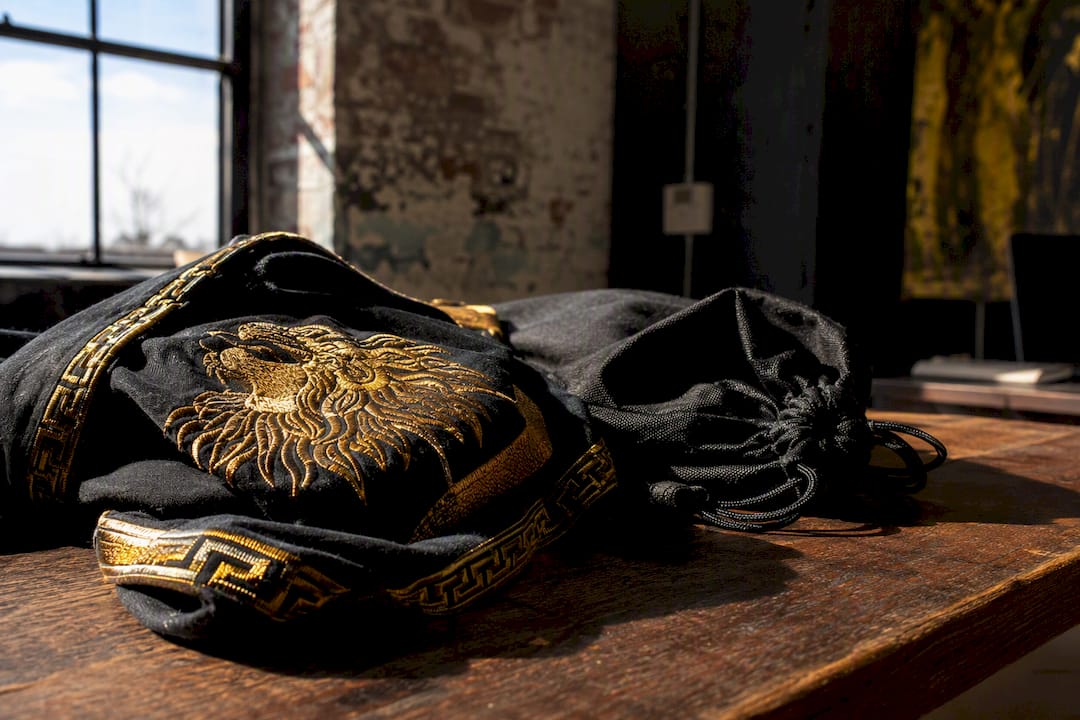
If you're watching any small-batch DTC brand, VIP membership lists and early-access emails are your best early signal. Brands that gate access this way are telling you, directly, that supply is capped. Watch for UGC-style preview videos too. They usually post days before the official listing goes live.
Buyer checklist for small-batch drops: sign up for the list before the teaser drops, watch preview content closely, and expect sizing to move fastest in the middle of the run curve, not the extremes.
Keeping the Calendar Current All Year
A drop calendar is only as useful as its next update, which is why this one runs on a living structure instead of a static list you check once and forget.
The ongoing version tracks entries in three states as they move through the pipeline: newly announced, confirmed with a locked date, and completed with a logged outcome. New entries get added as lookbooks post and retailers open raffle windows. Completed entries roll off after a couple of weeks unless a restock gets confirmed, which happens more often than people expect for mid-tier releases that didn't sell through on day one.
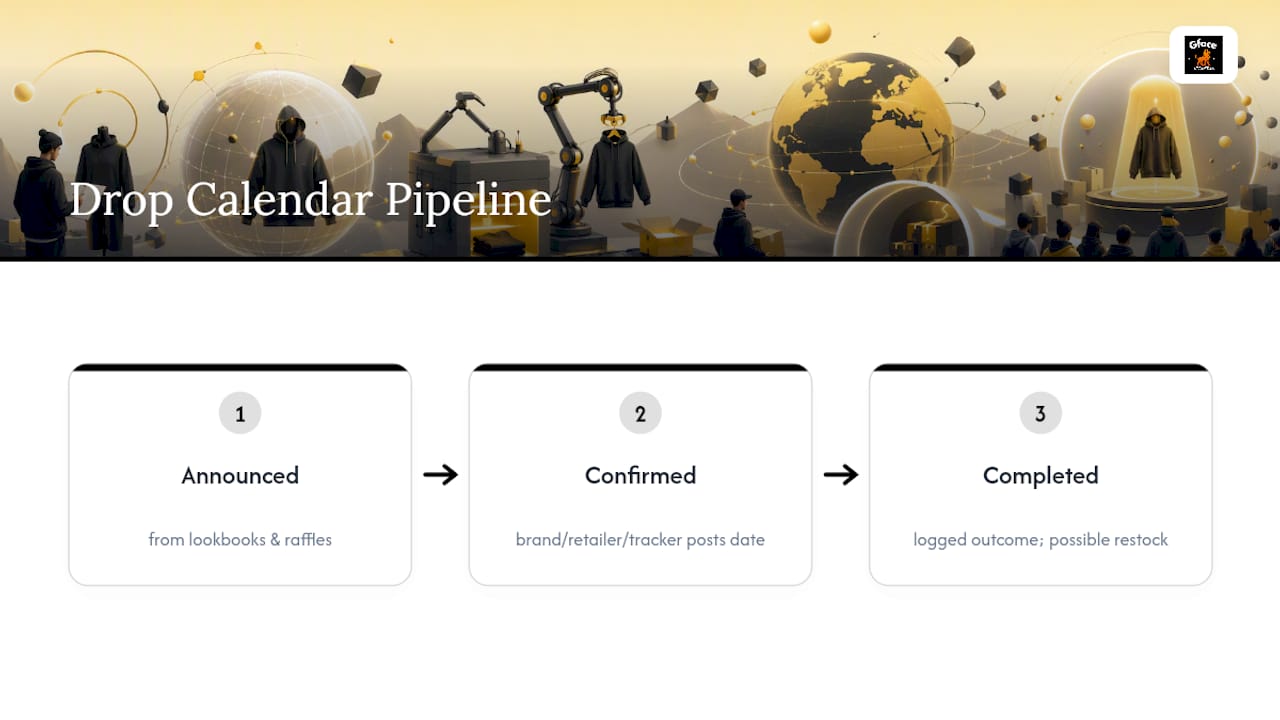
The most reliable calendars separate signal from noise by weighting official brand posts and retailer listings above forum chatter, and treating any repost of a "leak" without a primary source as unconfirmed until proven otherwise. That's the same standard applied here: an entry only moves from "announced" to "confirmed" once a brand account, retailer listing, or a tracker like Sneakerfiles posts a locked date and time.
Expect the heaviest churn in this calendar during three windows: the run up to major seasonal lookbooks, the two weeks around any big collaboration announcement, and the holiday stretch when brands compress multiple smaller drops into a tight run of weeks. Outside those windows, a weekly check is plenty. Inside them, check every two to three days, because dates shift and raffle windows open faster than you'd expect.
Which Streetwear Brands Should You Watch in 2026
Not every label deserves equal real estate on your calendar. Highsnobiety's rundown of the brands shaping 2026 draws a useful line between established leaders with predictable drop cadence and newer disruptors whose releases are harder to forecast but often more interesting.
Established labels with weekly or seasonal cadence are your easiest calendar entries, since their patterns repeat. Supreme remains the reference point for how a global weekly-drop brand structures lookbook, drop, and regional rollout, and outlets like Hypebeast track that cadence closely through a dedicated weekly drops hub. Watching how a brand like that handles a season gives you a template for reading less predictable labels.
Newer and independent brands are where surprise drops live. They don't always run on a weekly schedule, which makes them harder to plan around but often means less competition at drop time since fewer trackers are watching them closely. If you're building a wardrobe instead of a resale portfolio, these labels are frequently your best value.
Small-batch DTC brands round out the picture. They rarely make headline drop-calendar roundups because their releases are smaller and less resale-driven, but they're often where the most distinctive pieces come from. If you want something nobody else in your city is wearing, this tier of brand deserves calendar space right alongside the household names.
What Collaborations Should You Have On Your Radar
Collaboration drops are where hype compounds. Two fan bases, one capsule, and demand that outstrips supply almost every time. These are the entries worth checking daily once they're confirmed, because raffle windows for major collabs often close faster than single-brand releases.
A few patterns worth knowing before collab season hits full swing:
- Cross-category collabs (a streetwear label paired with a footwear brand, or a fashion house paired with a sneaker line) tend to generate the highest resale premiums, which means the fastest sellouts at retail.
- Limited swimwear and resort-capsule collaborations spike hard in late spring, ahead of summer travel and festival season, and sell through faster than year-round apparel collabs.
- Heritage-driven capsules, ones built around a specific cultural or regional identity rather than a generic streetwear aesthetic, tend to build loyal repeat demand rather than one-off hype, which is part of why limited runs like Boriqua-themed pieces move fast within their community.
- Watch the preview content closely. Collab drops usually get more lookbook real estate for hero pieces than a standard weekly release, which is your clearest early signal of which item will sell out first.
If collabs are your priority, budget more of your weekly checkpoint time toward them than toward standard single-brand releases. They're where your calendar attention pays off most.
How Do You Catch a Surprise Drop Before It Sells Out
Not every release gets a three-day lookbook warning. Some brands drop with a single social post and a link, live in under an hour.
Turn on push notifications for brand apps and retailer apps you actually plan to buy from, not every app you've ever downloaded. Notification fatigue kills your reaction time. Follow brand social accounts directly rather than relying on aggregator content to relay the announcement, since aggregators add a delay you can't afford on a surprise drop.
Keep payment and shipping info saved everywhere in advance, because a surprise drop punishes anyone who needs to fill out a checkout form from scratch. And watch for soft signals: a brand going quiet on social media for a few days, then posting a single cryptic image, is a common pattern ahead of an unannounced release. It's not foolproof, but it's a real tell worth watching for brands you follow closely.
Community trackers also catch surprise drops faster than most individual brand accounts, since they aggregate signals across dozens of labels at once. Cross-checking a surprise post against a tracker before committing your budget is worth the extra sixty seconds.
How Do Seasons Change When Brands Drop New Product
Drop timing isn't random across the calendar year, it follows the fashion season, and knowing the pattern helps you plan your budget months in advance instead of scrambling.
Spring and early summer bring the heaviest volume of new seasonal apparel, plus the year's swimwear and resort-capsule releases. If limited-edition swimwear is on your radar, this is the window to have your budget ready, since these drops tend to sell through fast ahead of summer travel season. Fall brings the major lookbook-driven collections from weekly-drop brands, the kind of season Supreme's FW26 rollout represents. Winter compresses holiday collabs and year-end limited runs into a tighter window, often stacking multiple brand drops into the same few weeks.
The practical takeaway: your calendar checkpoint frequency should flex with the season. A monthly check is plenty in a quiet stretch. During a seasonal transition, especially the spring swimwear window or the fall lookbook season, move to a weekly or even midweek check so you're not caught flat-footed by a compressed release schedule.
Where Do Most Streetwear Drops Actually Happen
Knowing where to look matters as much as knowing when. Most releases fall into a handful of channel types, and serious buyers monitor several at once.
Brand-owned sites remain the primary channel for weekly drops and lookbook-driven collections, since brands keep the most control and the best margins selling direct. Retailer apps and multi-brand storefronts aggregate releases across many labels, which is convenient if you're tracking more than one brand but means more competition per drop since a wider audience sees the same listing. Sneaker-specific hubs and trackers, like Sneakerfiles, specialize in footwear release times and raffle mechanics that general streetwear calendars often miss. In-store drops persist for major collaborations and flagship openings, rewarding buyers with physical proximity to a brand's retail locations.
Small-batch DTC brands round out the picture, selling almost exclusively through their own site with limited or no retail wholesale presence. That model, the one GfaceGear runs on, means the brand's own email list and social channels are the only reliable place to catch a drop before it's gone.
Diversify where you watch. A buyer monitoring only one channel type misses releases that never touch that platform at all.
How Do You Decide Which Drops Are Worth Chasing
Hype and exclusivity aren't the same thing, and confusing them is the fastest way to blow a monthly budget on something you won't wear in six months. Understanding exclusive streetwear aesthetics can help you better distinguish between hype and real collector value.
Rank drops by asking three questions: Will you actually wear this, is the supply genuinely limited or just marketed that way, and does the resale premium reflect real scarcity or manufactured hype. A weekly-drop brand's standard release, even from a major label, usually isn't scarce in the way a true collaboration capsule is. Save your raffle entries and fastest reflexes for drops where scarcity is real.
Build a simple three-tier priority system: must-cop (wearable, genuinely limited, fits your style), opportunistic (cop if easy, skip if it requires real effort), and watch-only (interesting but not worth a raffle entry or line-up). Most of your calendar entries should land in tier two or three. Reserving tier one for drops that check every box keeps your budget, and your reflexes, sharp when it actually counts.
Publisher Perspective: Buying for Wear vs. Chasing Hype in 2026
Chasing every hyped collaboration burns budget on pieces you'll wear twice. The smarter move most seasons: let one or two true grails earn a raffle entry, and put the rest of your budget toward small-batch drops built for actual wardrobe use. Check the calendar like a habit, log what you cop, and let that data sharpen next season's priorities.
— Victor
Get Early Access to GfaceGear's Next Limited Drop
While you're tracking major-label lookbooks and raffle windows, don't sleep on the drops happening closer to home. GfaceGear runs its own limited releases straight from Brooklyn, including capsules like the Limited Boriqua Swimwear, and the fastest way onto the list isn't a raffle app, it's signing up before the teaser posts. VIP members get early access, sitewide perks, and first look at new lion-and-Greek-Key pieces before they hit general release, which matters when sizing moves fast on a small production run.
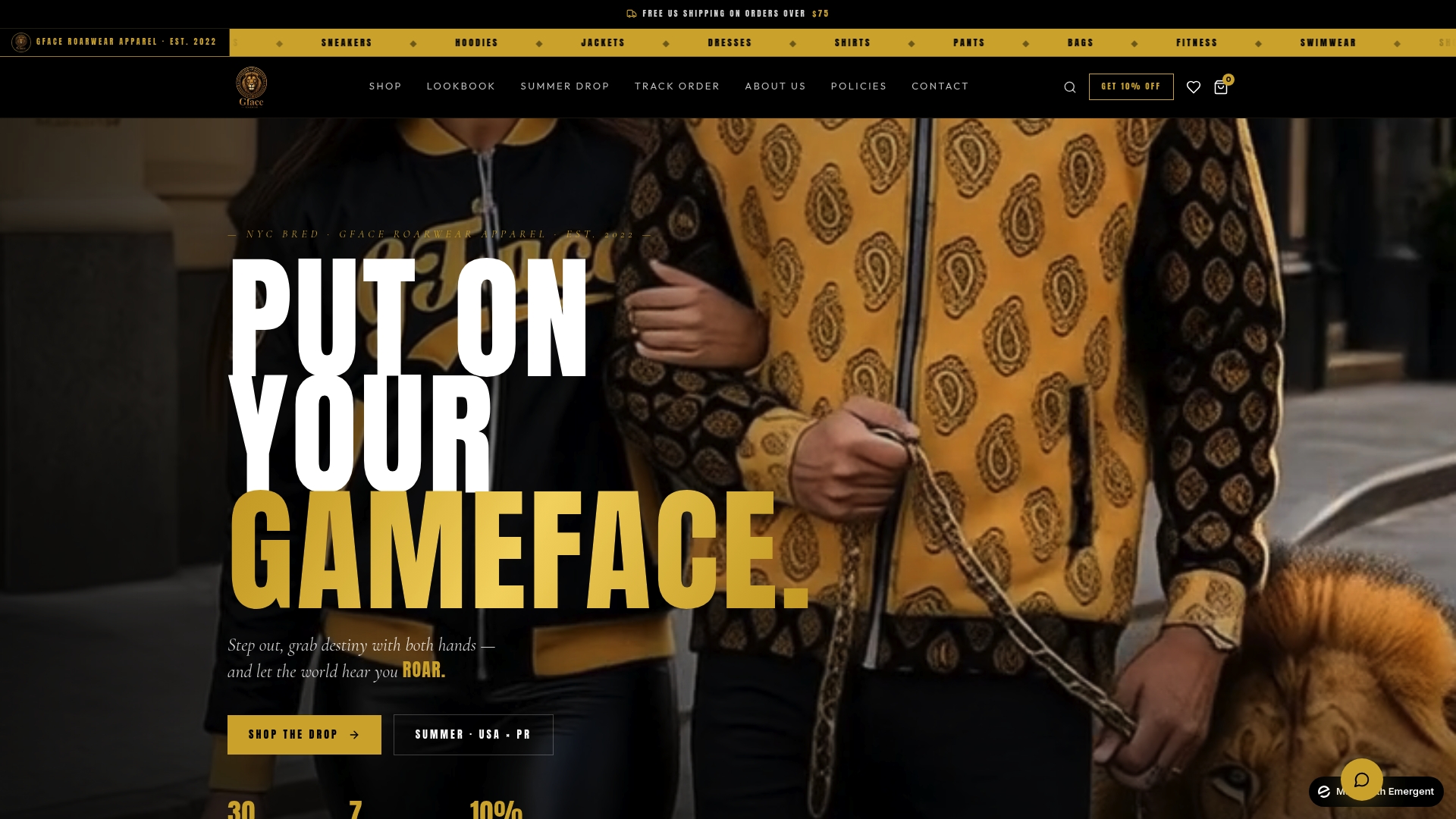
Our lookbook and early-access signup is where every drop starts. Get on it, catch the next ROAR before it sells through, and check our guide on limited edition drops for more on timing your next cop right.
Where This Calendar Gets Its Information
This calendar draws on official brand lookbook posts, retailer listings, and trackers built for accuracy over speculation, including Sneakerfiles for sneaker-specific dates and Hypebeast's Weekly Drops for apparel cadence. Each source confirms real dates rather than repeating unverified leaks.
Sources
- 25 Streetwear Brands To Know About In 2026
- Supreme FW26 Collection | Hypebeast
- Sneaker Release Dates 2026 + 2027
- Supreme community drop times guidance
FAQ
When Is the Next Streetwear Drop?
Check the calendar's confirmed entries for the current week, since exact dates shift as brands post lookbooks; established labels like Supreme typically drop new collections on Thursdays in the US and Europe.
How Often Should I Check a Streetwear Drop Calendar?
Check weekly during quiet stretches and every two to three days during a seasonal lookbook rollout or major collaboration announcement, when new entries and date changes happen fastest.
What Does "Confirmed" vs. "Rumored" Mean on a Drop Calendar?
Confirmed means an official brand post or retailer listing has locked the date and time, while rumored means it's unverified chatter that hasn't shown up on a primary source yet.
Are Bots Necessary to Cop Limited Streetwear Releases?
No, and using them risks account bans on most retailer platforms; solid prep including saved payment info, backup retailers, and fast reflexes at drop time works for the majority of releases.
Does GfaceGear Run Limited Edition Drops?
Yes, GfaceGear runs limited releases like the Boriqua Swimwear capsule through its Shopify store, with VIP membership and early-access email signup offering the best odds of catching a drop before it sells out.