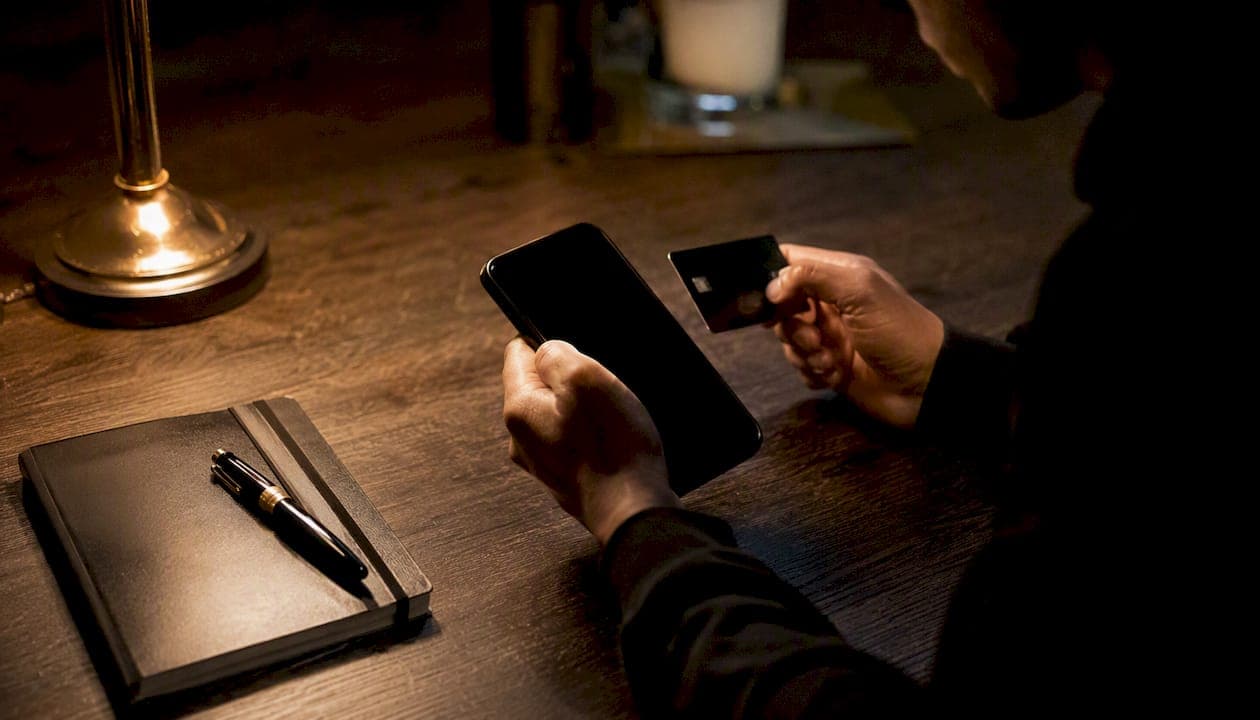
The fastest way to secure a limited edition drop is simple: join brand apps and waitlists before the launch, preload your payment method, and be logged in at least five minutes early. Right now, the top places to check are:
- Hypebeast drop calendar for editorial picks and upcoming streetwear releases
- KITH and Supreme brand apps for weekly Thursday drops
- VeVe for digital collectible drops with waitlist and lottery mechanics
- Funko for Fan Rewards-gated limited runs and members-only early access
One move you can make in 60 seconds: open your browser, log into every account you use for drops, and confirm your card and shipping address are saved. That single step removes the biggest friction point on launch day.
Key Takeaways
Limited edition drops reward preparation: the buyers who join waitlists early, preload payment, and understand drop formats consistently outperform those who show up on launch day unprepared.
| Point | Details |
|---|---|
| Join waitlists and brand apps first | Early registration is the single highest-leverage action before any drop opens. |
| Preload payment and accounts | Saved cards, addresses, and logged-in sessions remove the friction that kills checkouts under pressure. |
| Know your drop format | FCFS, raffle, and waitlist formats each require a different strategy; misreading the format wastes your shot. |
| Set timezone-correct reminders | Most U.S. drops publish in ET or PT; a one-hour conversion error means missing the window entirely. |
| Gfacegear VIP gets first access | VIP members receive early drop notifications and members-only pieces before public release. |
Table of Contents
- What limited edition drops are worth watching right now?
- Where do you track upcoming limited edition clothing drops?
- How do limited edition drops actually work?
- How do you actually cop a limited drop? A practical checklist
- Drop timing and timezone rules for U.S. shoppers
- Risks, resale realities, and what to do if you miss a drop
- How Gfacegear runs limited drops: a brand-side look
- What happens after you cop? Order tracking and refund policies
- Why limited drops still matter for culture and community
- Get early access to Gfacegear drops with VIP membership
- Sources
- FAQ
What limited edition drops are worth watching right now?
Not every drop deserves your attention. Here's where to focus your energy, whether you're chasing streetwear, collectibles, or both.
- KITH weekly cadence: KITH drops new product every Thursday, often without advance notice. Their app is the only reliable way to catch it before it sells out. Pieces range from graphic tees to outerwear, and the window is tight.
- Supreme-style Thursday model: Weekly drops on Thursday mornings (typically 11 AM ET) remain the gold standard for streetwear urgency. If you're not queued up early, you're already late.
- Hypebeast editorial calendar: Hypebeast curates a running list of the most anticipated releases across footwear, apparel, and accessories. Check their drops tag weekly for a filtered view of what actually matters.
- VeVe digital collectibles: VeVe runs timed drops with strict edition counts and purchase limits, often using a lottery or waitlist system. Their blind-box variants add an extra layer of collector excitement.
- Funko limited runs: Funko's Fan Rewards program gates early access to limited-edition figures. If you're a collector, the loyalty program is worth activating now, not on drop day.
- Gfacegear limited swimwear and lion sneakers: Gfacegear drops limited-run pieces like the Boriqua Swimwear collection and lion-motif sneakers on a scheduled cadence. These are the pieces to watch if you want summer streetwear that hits different. Hats and men's tees round out the rotation.
Where do you track upcoming limited edition clothing drops?
Knowing where to look is half the battle. Different item categories live on different platforms, and spreading yourself thin means missing everything.
Editorial calendars

Hypebeast's drops section is the most reliable editorial source for upcoming streetwear releases in the U.S. It aggregates brand announcements, release dates, and raffle links in one place. Bookmark it and check it every Monday morning.
Brand apps and loyalty programs
KITH, Glossier, and similar brands push drop alerts through their own apps before posting anywhere else. Enable push notifications the moment you install. A 2025 survey found that 56% of shoppers value members-only sale days, and nearly half want early access to limited-edition items, which is exactly why brands reward app loyalty so heavily.
Raffle and retailer platforms
Extra Butter and similar specialty retailers run their own raffle systems for high-demand footwear and apparel. Sign up for their newsletters and follow their social accounts. Raffle entry windows are often 24–72 hours, so you can't wait until launch day to find out.
Digital collectible platforms
VeVe publishes drop schedules on their blog and social channels. Their waitlist system means you need to register interest before the drop opens, not during.
Discord communities
Drop-focused Discord servers (search "sneaker drops Discord" or look for brand-specific servers) post real-time alerts the moment a drop goes live. Members share working links, size availability, and raffle confirmations faster than any newsletter. Join two or three active servers and mute everything except drop-alert channels.
Social media alerts
Follow brands on TikTok and Instagram and turn on post notifications. TikTok's algorithm can surface a drop teaser to hundreds of thousands of people overnight, which means inventory moves faster than ever once a release goes public.
Pro Tip: Set a weekly Sunday calendar reminder to check Hypebeast's drop calendar, confirm your app notifications are active, and verify your saved payment details are current. Five minutes of prep every week beats scrambling the morning of a drop.
How do limited edition drops actually work?
A product drop is a pre-announced release of a new or exclusive item with limited quantity or a fixed time window. That's the key distinction from a flash sale, which is a time-limited discount on existing stock. A drop creates scarcity around a new item; a flash sale creates urgency around a price. The psychology is completely different, and so is the buyer behavior.
Brands use drops for a specific reason: they reduce inventory risk. A small label can test demand on 200 units, sell out in minutes, and use that data to plan the next run. As Shopify's drop strategy guide notes, scarcity and urgency drive purchase intent more effectively than discounts alone.
Here are the formats you'll encounter:
| Format | How you access it | Best for | Common pitfall |
|---|---|---|---|
| FCFS (First Come, First Served) | Be logged in and ready at launch time | Fast buyers with saved payment | Bots and scalpers dominate |
| Raffle / Lottery | Enter during a window; winner selected randomly | Fair access for high-demand items | No guarantee even if you enter early |
| Waitlist / Priority | Join list in advance; notified in order | Loyal customers and early registrants | Notification delays can cost your spot |
| Blind Box | Buy a sealed unit; contents revealed after | Collectors who enjoy surprise | No control over which variant you receive |
| Open Edition / Time Window | Buy anytime during a set period | Casual buyers; lower pressure | Items may feel less exclusive post-drop |
Brands also set purchase limits, often two per person, and serialize runs to protect collector value. When a brand retires a design permanently after the run closes, that's not just a marketing move. It's a credibility signal that tells collectors the scarcity was real.
How do you actually cop a limited drop? A practical checklist
Success on drop day is almost entirely determined by what you do before the drop opens. Here's the sequence that works.
Before the drop
- Create your account on the brand's site or app at least 48 hours early. Verification emails and address confirmation take time you won't have on launch day.
- Save your shipping address and confirm it matches your payment method's billing address exactly.
- Add your primary card and a backup card. Payment failures are the most common reason a cart gets abandoned at checkout.
- Link any digital wallets (Apple Pay, Shop Pay) that the platform supports. One-tap checkout is faster than typing a card number under pressure.
- Verify the brand ships to your state and that your size is listed. Some limited runs exclude certain regions or sizes.
- Read the raffle rules if a raffle is involved. Some brands disqualify duplicate entries or flag accounts that enter from multiple devices.
On drop day
- Open the product page 10 minutes early and keep it open. Refresh only when the drop time hits.
- Use two devices if you can: a laptop for checkout and a phone as a backup. Wired internet on the laptop is more stable than Wi-Fi during traffic spikes.
- Test your autofill before launch. A single wrong character in the card number kills the transaction.
- If the site crashes, don't close the tab. Wait 30 seconds and refresh once.
Raffle strategy
Enter every eligible raffle you qualify for. Loyalty status matters: brands like Funko weight Fan Rewards members for early access, and KITH's app users get priority notifications. Being logged in with saved payment details minutes before launch is one of the most effective ways to secure an item during a competitive drop.
Pro Tip: Screenshot your order confirmation the moment it appears. Limited-edition orders occasionally get canceled due to inventory errors, and a timestamped screenshot is your strongest evidence for a dispute.
A note on bots and scalping: using automated bots to purchase drops violates most platforms' terms of service and harms the community. Reselling at a markup is legal, but bot-assisted purchasing is increasingly penalized with account bans and order cancellations. Play it straight.
Drop timing and timezone rules for U.S. shoppers
Most U.S. brands publish drop times in Eastern Time (ET) or Pacific Time (PT). Global brands often use a single centralized release time, which means a 10 AM PT drop hits at 1 PM ET and 12 PM CT. Getting this wrong by one hour means missing the drop entirely.
Here's a quick conversion checklist to set reminders correctly:
- Confirm the timezone the brand uses. Check the product page, their social post, and their app notification. Brands sometimes list different times across platforms.
- Convert to your local time before setting your alarm. ET to PT is minus three hours. CT is minus one from ET. MT is minus two.
- Account for Daylight Saving Time. From March to November, U.S. time zones shift. A brand based in LA that drops at 10 AM PT in January is one hour earlier relative to ET than the same drop in July.
- Set two alarms: one 15 minutes before the drop (to get logged in and staged) and one at the exact drop time.
- Use Google Calendar or your phone's world clock to pin the drop time in the brand's timezone alongside your own. This eliminates conversion errors.
Some platforms like VeVe and Funko display drop times in your local timezone automatically. When they do, trust the platform's displayed time over a social media post, which may not update for timezone differences.
Risks, resale realities, and what to do if you miss a drop
Missing a drop isn't the end. But knowing the risks going in keeps you from making expensive mistakes on the secondary market.
Risks to watch for:
- Bots and scalpers buy inventory in seconds and relist at two to five times retail. This is the primary reason FCFS drops feel impossible.
- Fakes and counterfeits flood resale platforms after high-profile drops. Verify serial numbers, check seller ratings, and buy only from platforms with buyer protection.
- False scarcity is a real tactic. Some brands manufacture urgency with countdown timers on items that aren't actually limited. Shopify's execution guide warns brands against deceptive countdowns because they erode trust fast.
- Return and refund limits are strict on limited-edition items. Many brands mark them as final sale. Read the policy before you buy, especially on the resale market.
- Frequent restocks of "limited" items signal that the scarcity wasn't real. That's a credibility problem for the brand and a value problem for collectors who paid a premium.
Resale realities
Not every sold-out item appreciates. Pieces tied to cultural moments, retired designs, or genuinely small runs tend to hold or grow in value. Items from brands that restock frequently or produce large runs rarely do. Before paying a resale premium, research whether the brand has restocked similar items in the past.
Pro Tip: Stick to resale platforms with buyer protection and verified seller ratings. Keep your original order receipt and packaging. Both matter if you ever need to authenticate a piece or dispute a transaction.
If you missed the drop:
- Join the waitlist immediately. Some brands release canceled or returned units to waitlist members within 48 hours.
- Monitor the brand's social channels for restock announcements. Rare, but it happens.
- Check reputable secondary marketplaces with authentication services.
- Join trade communities on Discord where collectors swap pieces at closer-to-retail prices.
How Gfacegear runs limited drops: a brand-side look
Gfacegear is a Brooklyn-born streetwear label built on the ROAR identity, lion imagery, and Boricua heritage. Every limited run starts with a clear goal: test a design, build demand, and never overextend inventory. That's the on-demand manufacturing model in practice.
Here's how a Gfacegear drop comes together:
- Run size decision: The team sets a hard unit cap before production begins. For pieces like the Limited Boriqua Swimwear, the cap is intentional and non-negotiable. Once it's gone, the design retires.
- Pre-launch waitlist: VIP members get notified first, typically 24–48 hours before the public drop. This rewards loyalty and creates a first-wave sell-through that builds social proof.
- App and social notifications: Drop announcements go out via email, Instagram, and TikTok short-form video. Teasers drop 48–72 hours before launch to build anticipation without revealing every detail.
- Fulfillment plan: Because Gfacegear uses print-on-demand production, each order is manufactured after purchase. This eliminates dead stock but requires clear communication about production timelines.
- Design retirement: When the run closes, the design is retired permanently. No restocks. That commitment is what makes the drop credible to collectors.
The categories that move fastest in Gfacegear drops: lion sneakers, hats, men's tees, and limited swimwear. If you're building a collection around current streetwear trends, these are the pieces worth prioritizing.
One operational note: drop fatigue is real. Brands that drop every week without a clear theme or reason train their audience to wait rather than act. Gfacegear spaces releases deliberately, so when a drop lands, it means something.
What happens after you cop? Order tracking and refund policies
Securing the item is step one. What you do next determines whether the experience ends well.
Order tracking: Most brands send a confirmation email within minutes of purchase. That email contains your order number and a tracking link. For print-on-demand drops like Gfacegear's, production begins after the order is placed, so the tracking link may not activate for 24–72 hours. That's normal. If you haven't received a confirmation email within 30 minutes, check your spam folder before contacting support.
Cancellation windows: Limited-edition orders often have a short cancellation window, sometimes as little as one hour after purchase. If you need to cancel, act immediately and contact customer support directly. Waiting until the next day is usually too late.
Refund policies: Most limited drops are marked final sale. Refunds are rare and typically only granted for items that arrive damaged or significantly different from the listing. Document any issues with photos the moment you open the package.
Chargebacks: If a brand fails to deliver and stops responding, a chargeback through your card issuer is a legitimate option. Keep every email, screenshot, and order confirmation as evidence.
Sizing: For limited apparel drops, check the size guide before you buy. Exchanges on limited runs are rarely possible once the run sells out. Gfacegear publishes a jersey size guide to help you get it right the first time.
Why limited drops still matter for culture and community
Drop culture isn't just a sales mechanic. It's a ritual. The countdown, the shared anticipation, the moment a piece sells out and the community erupts on social media — that's something no always-available product can replicate.
What people underestimate is how much a well-executed drop does for a small brand's identity. It's not about manufactured hype. It's about making a real commitment: this design exists, it's finite, and if it resonates with you, now is the moment to claim it. That's a different relationship between brand and buyer than anything a discount or a restock can create.
The brands that get this right, whether it's a global name or a Brooklyn label like Gfacegear, treat every drop as a conversation with their community. The design says something. The run size says something. Even the retirement of the design says something. Collectors feel that. They remember it.
Drop culture also creates space for design experimentation. A limited run of 150 lion sneakers or a Boriqua-themed swimwear collection lets a brand test a bold idea without betting the whole catalog on it. When it connects, the community amplifies it. When it doesn't, the lesson is clean and contained.
If you want to be part of that conversation before it goes public, the move is simple: get on the list early and show up when it counts.
Get early access to Gfacegear drops with VIP membership
Gfacegear's VIP membership is the clearest path to securing limited pieces before they reach the public. Members get an early access window on every drop, sitewide discounts, and access to members-only colorways that never go to general release.
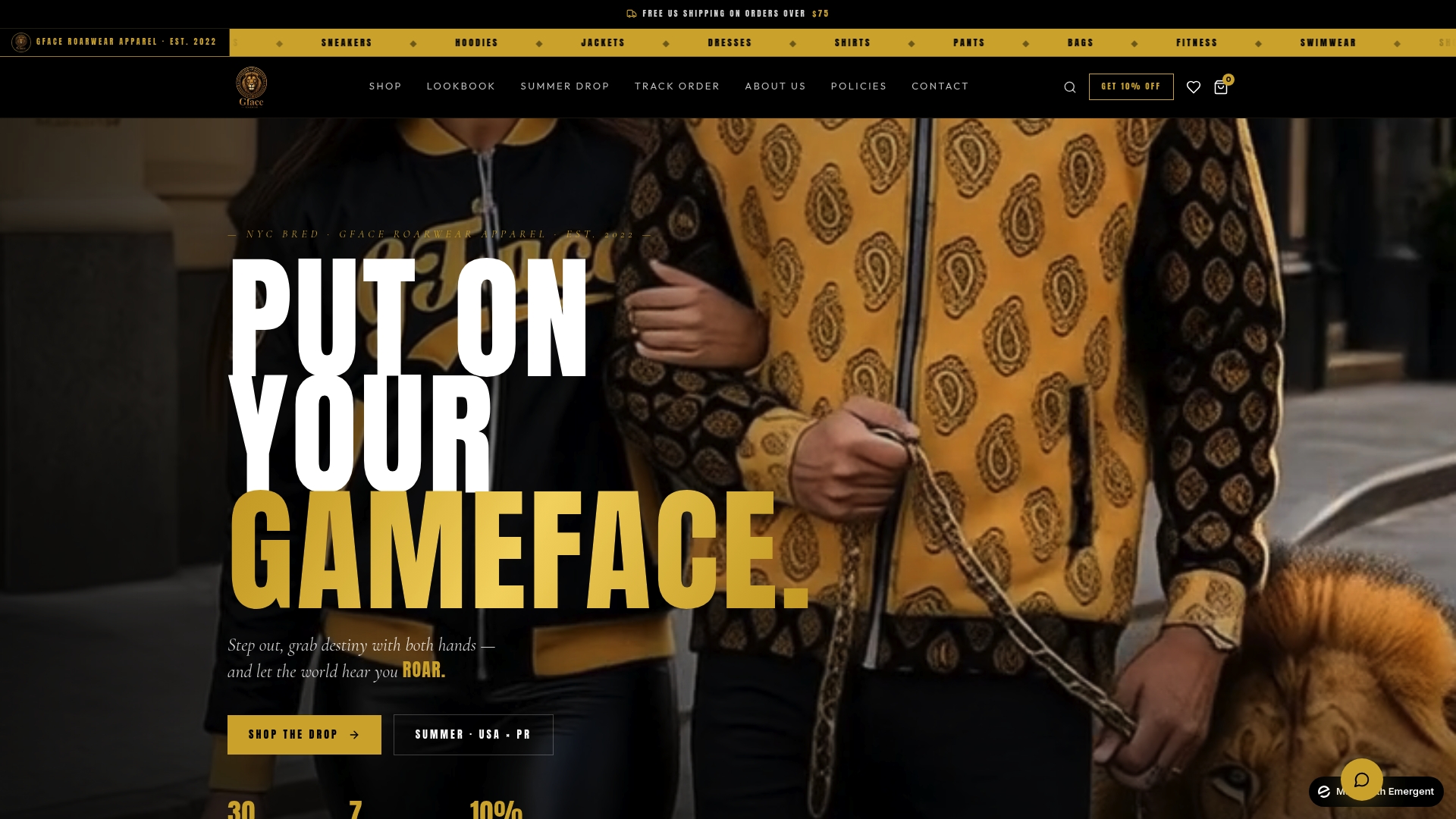
Here's what membership actually gives you:
- Early access window: VIP members are notified 24–48 hours before the public drop opens.
- Sitewide discounts: Every order, not just drops, comes with a members-only price.
- Members-only pieces: Certain colorways and designs are exclusive to the membership tier and never listed publicly.
- Saved checkout: Your account stores payment and shipping details so you're ready to move the moment a drop opens.
The next Gfacegear limited run, including lion sneakers, hats, and limited swimwear, goes to VIP members first. Join the Gfacegear VIP list now and be in position before the next drop goes live.
Sources
- Limited Drops: Use Scarcity to Drive Sales (2026) - Shopify
- King In Black: Black Panther (2021) #1 — VeVe blog
- Limited Edition Drops — Funko
- The Independence Duo | Limited Edition EDC Flashlight & Knife Bundle - Olight
FAQ
What are some upcoming limited drops to watch?
KITH drops new product every Thursday, and Supreme follows a similar weekly Thursday model. Check Hypebeast's drops calendar weekly for a curated list of the most anticipated streetwear and footwear releases. Gfacegear announces upcoming drops to VIP members 24–48 hours before public release.
What clothing drops are happening this week?
The most reliable sources for current-week drops are Hypebeast's editorial calendar, brand apps from KITH and Supreme, and retailer newsletters from specialty shops like Extra Butter. Enable push notifications on brand apps to catch same-week announcements the moment they go live.
Do Limited stores still exist?
The Limited as a standalone retail chain closed its physical stores several years ago, though some brand assets have continued in other forms. For limited-edition clothing drops today, the action has moved almost entirely to brand websites, apps, and specialty streetwear retailers.
Who sells limited edition clothing?
Supreme, KITH, and Extra Butter are among the most recognized names in limited-edition streetwear in the U.S. Gfacegear runs its own limited drops, including lion sneakers, hats, men's tees, and limited swimwear, available directly at Gfacegear. Funko and VeVe cover the collectibles side of the market.
How do I avoid fakes when buying limited drops on the resale market?
Buy only from resale platforms that offer buyer protection and verified seller ratings. Check for serial numbers on serialized items, compare product photos against official brand imagery, and keep your original order receipts. If a price looks too good to be true on a sold-out item, it usually is.