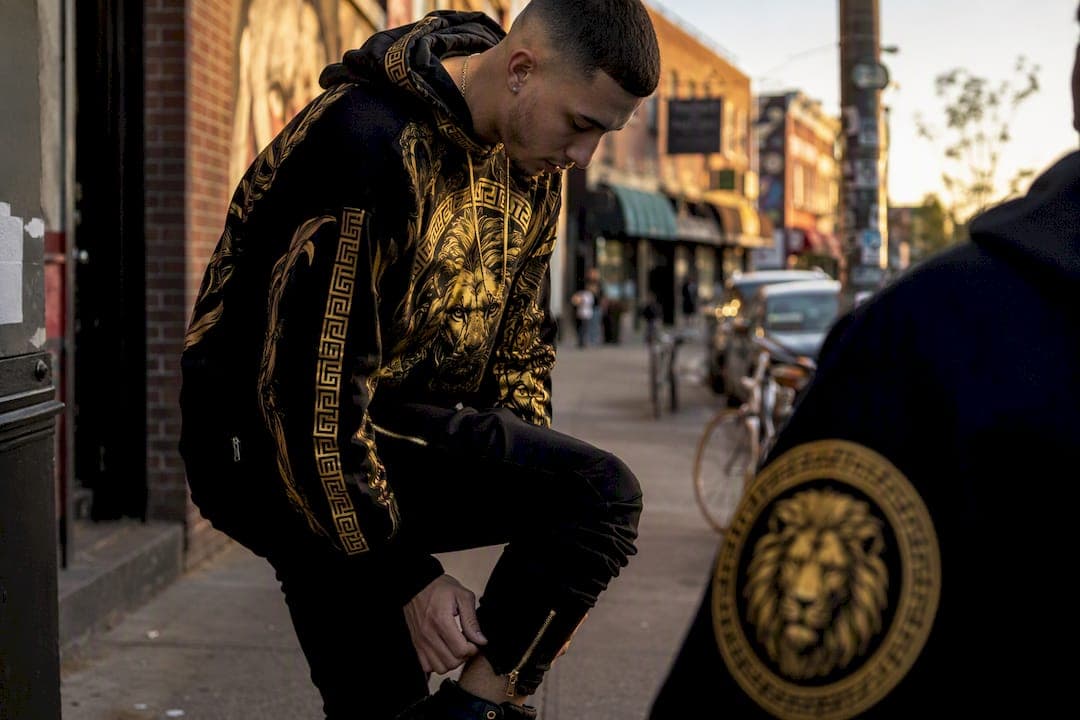
Streetwear is your statement. Athleisure is your movement. Pick streetwear when you want bold graphics, oversized cuts, and a cultural point of view. Pick athleisure when comfort, stretch, and all-day motion matter more than the flex. Below, you get the real definitions, a side-by-side breakdown, outfit formulas you can copy today, and a brand's-eye view from Gfacegear on how lion sneakers, hats, and hero tees fit into both worlds.
Key Takeaways
Streetwear signals identity through bold graphics and oversized cuts, while athleisure prioritizes stretch and comfort for everyday movement, and the smartest wardrobes blend both.
| Point | Details |
|---|---|
| Choose by priority | Pick streetwear for statement and culture, athleisure for comfort and movement. |
| Balance proportions | Pair one oversized piece with a fitted item to avoid the costume effect. |
| Fabric tells the story | Heavyweight cotton signals streetwear; stretch synthetics signal athleisure. |
| Price tracks scarcity or tech | Streetwear pricing follows hype and drops; athleisure pricing follows fabric technology. |
| Build hybrid with Gfacegear | Gfacegear's lion sneakers, hero hoodies, and limited swimwear drops work as the anchor piece in hybrid streetwear-athleisure outfits. |
Table of Contents
- What Is Streetwear vs Athleisure at Its Core?
- How Does Athleisure Differ From Sportswear?
- Athleisure vs Streetwear: Key Differences at a Glance
- Where Did Streetwear and Athleisure Come From?
- How Do You Actually Wear Streetwear and Athleisure?
- What Colors and Fabrics Work Best for Each Style?
- How Have Designers and Celebrities Blurred the Line?
- Eight Outfit Formulas to Copy Right Now
- What Would Victor Say About Mixing These Styles?
- What Do Athleisure and Streetwear Actually Cost?
- Are Athleisure and Streetwear Sustainable Choices?
- Where Should You Actually Spend Your Closet Budget?
- Shop the Pieces That Bridge Both Styles
- Sources
- FAQ
What Is Streetwear vs Athleisure at Its Core?
Streetwear is a visual language built on urban youth culture. It runs on bold graphics, oversized or relaxed silhouettes, and pieces that signal where you're from and what you're into. It grew out of surf and skate culture in late 1970s and early 1980s California, then absorbed hip-hop's energy through the 1990s.
Signature streetwear pieces include:
- Graphic tees with loud, brand-forward artwork
- Heavyweight hoodies built for layering
- Puffer jackets sized for presence, not just warmth
- Cargo pants with utility detailing
- Statement sneakers meant to be seen
- Fitted caps and beanies as finishing touches
How Does Athleisure Differ From Sportswear?
Athleisure takes performance fabric and puts it to work in everyday life, not just the gym. It's built on stretch, breathability, and multi-use comfort. That's the key distinction from sportswear, which is gear engineered strictly for training and competition. Athleisure borrows the technology and drops the finish line. The fabric and fit differences between the two are what separate a legging you wear to brunch from one you wear to spin class, even when they look nearly identical on the rack.
Signature athleisure pieces include:
- Performance leggings with four-way stretch
- Technical joggers with tapered, clean lines
- Sleek low-profile trainers
- Moisture-managing performance tees
- Lightweight performance outerwear (zip-ups, windbreakers)
Athleisure vs Streetwear: Key Differences at a Glance
Here's where the two styles genuinely split, dimension by dimension.
- Style aesthetics: Streetwear leans loud, with graphics, logos, and layered patterns. Athleisure leans clean, with minimal branding and monochrome or tonal color blocking.
- Occasion and versatility: Streetwear works for social outings, drops, and cultural events where the look itself is the point. Athleisure covers errands, workouts, travel days, and anything that demands comfort without looking sloppy.
- Fabric and function: Streetwear favors heavyweight cotton, fleece, and canvas that hold structure. Athleisure runs on stretch synthetics and wicking blends built for movement over structure.
- Silhouette and fit: Streetwear silhouettes go oversized and drapey on purpose. Athleisure silhouettes go fitted or tapered, tracking the body's shape.
- Brand and price tier: Streetwear price runs on hype and scarcity, with collectible drops and sneaker culture driving demand. Athleisure price tracks fabric technology and brand performance credibility.
- Key accessories: Streetwear finishes with bold sneakers, structured caps, and crossbody bags. Athleisure finishes with sleek trainers, minimal caps, and functional belt bags.
Quick visual cue: if a piece is loose, graphic, and heavy, it's streetwear. If it's fitted, stretchy, and quiet, it's athleisure.
Where Did Streetwear and Athleisure Come From?
Both styles carry real history behind the hype.
- Late 1970s to 1980s: Streetwear takes shape in California surf and skate shops, built on function-first casual wear.
- 1990s: Hip-hop culture pulls streetwear into mainstream visibility, pairing it with sneaker collecting.
- 2010s: Athleisure rises fast, as performance apparel brands push stretch fabrics into everyday wardrobes.
- Present day: Sneaker culture and hype releases fuel both categories, turning limited drops into cultural events rather than just shopping trips.
How Do You Actually Wear Streetwear and Athleisure?
Getting the proportions right matters more than owning the "right" pieces. Styling streetwear well relies on proportion and layering, not just piling on trend items.
- Balance one oversized piece (a puffer, a graphic hoodie) with something fitted below it, like slim joggers or tapered pants.
- Layer from base to statement: tee, then hoodie, then jacket, letting each layer show at the collar or hem.
- Choose one hero accessory (bold sneakers or a fitted cap) and keep the rest simple so the outfit doesn't compete with itself.
- For hybrid looks, pair a technical jogger with an oversized graphic hoodie. That's athleisure's comfort meeting streetwear's attitude in one outfit.
Pro Tip: Never stack more than one loud graphic in a single outfit. One statement piece reads as intentional; two starts to look like a costume.
Adjust for occasion: dress a streetwear base down with trainers for errands, or dress an athleisure base up with a structured jacket for dinner.
What Colors and Fabrics Work Best for Each Style?
Streetwear tends toward muted blacks, grays, and earth tones as a canvas, with one graphic or color pop doing the talking. Look for heavyweight cotton, French terry, and canvas on the label; they hold shape and drape.
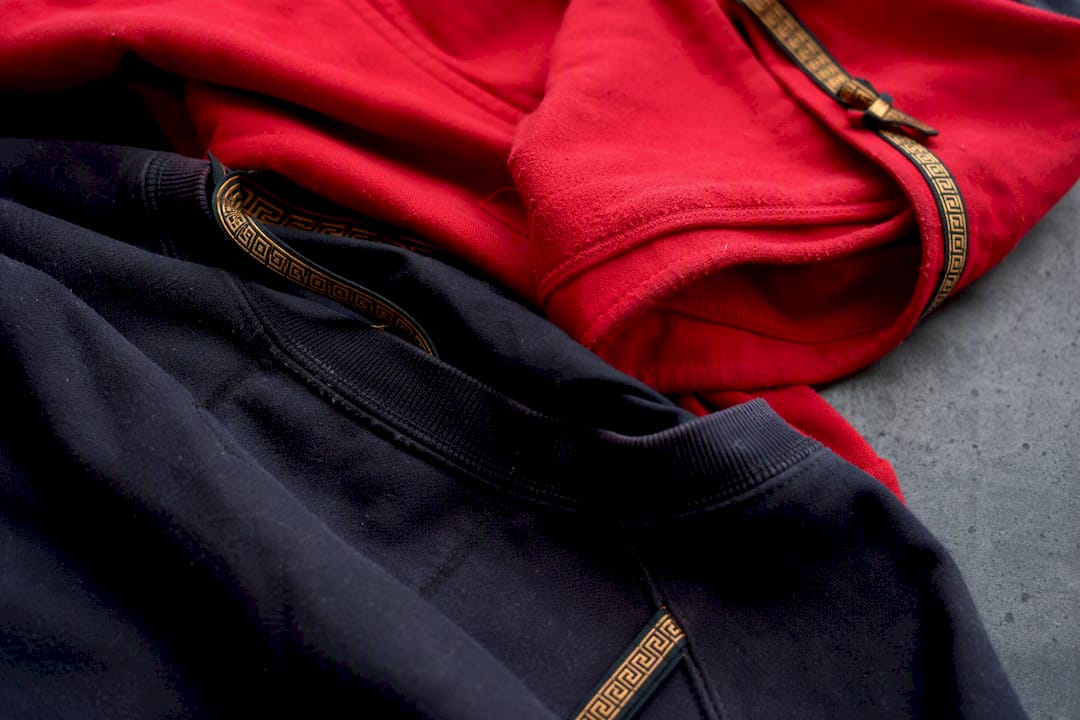
Athleisure sticks to clean neutrals and tonal palettes, letting the silhouette speak instead of the print. Look for spandex blends, nylon, and moisture-wicking polyester on the tag.
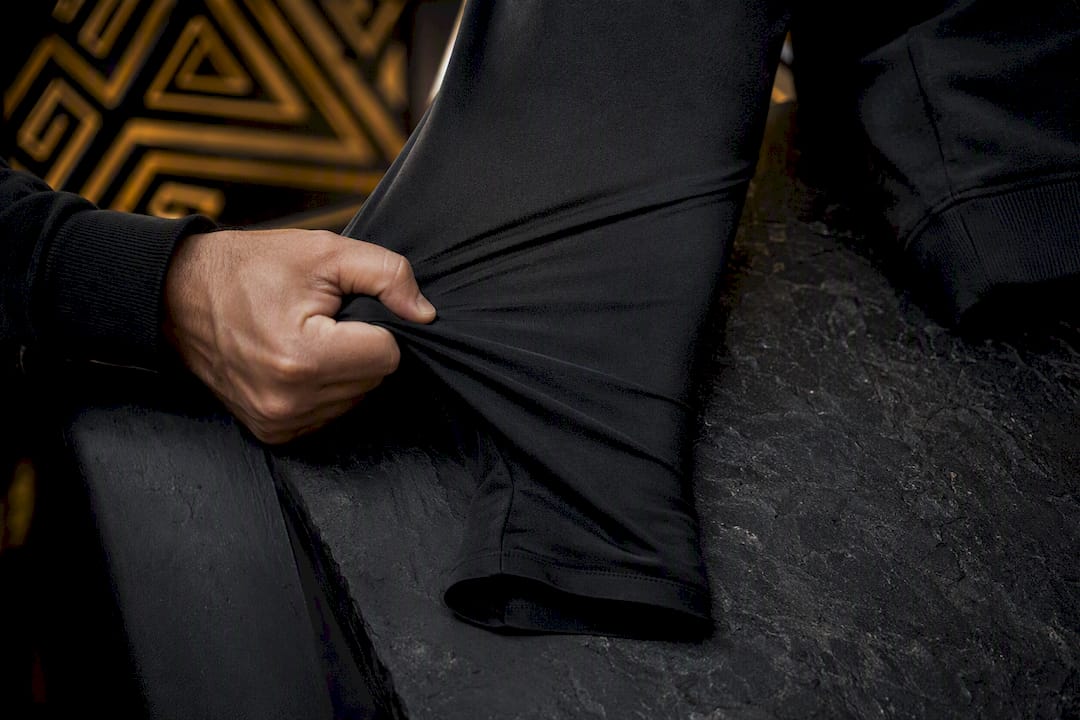
Care tip: wash technical fabrics cold and skip the dryer to preserve stretch; heavyweight cotton hoodies can handle warm washes but benefit from air drying to hold their shape longer.
How Have Designers and Celebrities Blurred the Line?
High-fashion houses collaborating with skate and streetwear labels pushed graphic tees and hoodies onto runways, while athletes wearing performance gear off the field normalized leggings and joggers as daily wear. Musicians blending both in music videos accelerated the crossover further. That visibility drove premium pricing and scarcity-driven hype, and it's exactly how hybrid silhouettes, structured joggers paired with oversized graphic layers, became a category of their own.
Eight Outfit Formulas to Copy Right Now
Three streetwear, three athleisure, two hybrid. Each one has a dress-up or dress-down swap built in.
- Streetwear 1: Graphic tee, cargo pants, statement lion sneakers, fitted cap. Swap the cap for a beanie at night.
- Streetwear 2: Oversized hoodie, straight-leg jeans, chunky sneakers. Dress up with a longline coat over top.
- Streetwear 3: Puffer jacket, wide track pants, crossbody bag. Swap the puffer for a denim jacket in warmer weather.
- Athleisure 1: Performance tee, tapered joggers, low-profile trainers. Add a windbreaker for outdoor errands.
- Athleisure 2: Fitted leggings, cropped performance jacket, sleek sneakers. Dress up with a structured blazer over the jacket.
- Athleisure 3: Technical shorts, moisture-wicking tee, minimal cap. Swap shorts for joggers once temperatures drop.
- Hybrid 1: Oversized graphic hoodie, tapered technical joggers, lion sneakers. This is the easiest entry point into hybrid dressing.
- Hybrid 2: Long graphic tee dress, performance leggings underneath, structured cap. Swap leggings for bare legs and sandals in summer.
What Would Victor Say About Mixing These Styles?
Victor's take: the whole game is contrast. Pair a statement piece with basics that let it breathe. A hero hoodie means nothing next to five other loud items.
Put a lion graphic tee under a plain hoodie, add joggers, and finish with sneakers that actually match your energy. That's the formula. One statement, everything else quiet enough to let it roar.
That's the whole Gfacegear approach in a sentence: build around one bold piece, whether that's a Betty Boop long-dress tee or a pair of lion sneakers, and let the rest of the outfit support it instead of competing with it. Limited-edition drops work the same way. A graphic hoodie or a piece from a swimwear drop only lands if the rest of the fit gets out of its way.
What Do Athleisure and Streetwear Actually Cost?
Streetwear pricing runs on scarcity as much as materials. A basic graphic tee can start around $25 to $40, while limited hoodies or collaboration pieces regularly climb past $100, sometimes well past it once resale and hype enter the picture. Statement sneakers are usually the biggest line item in a streetwear wardrobe, since collectible releases trade on rarity rather than cost of production alone.
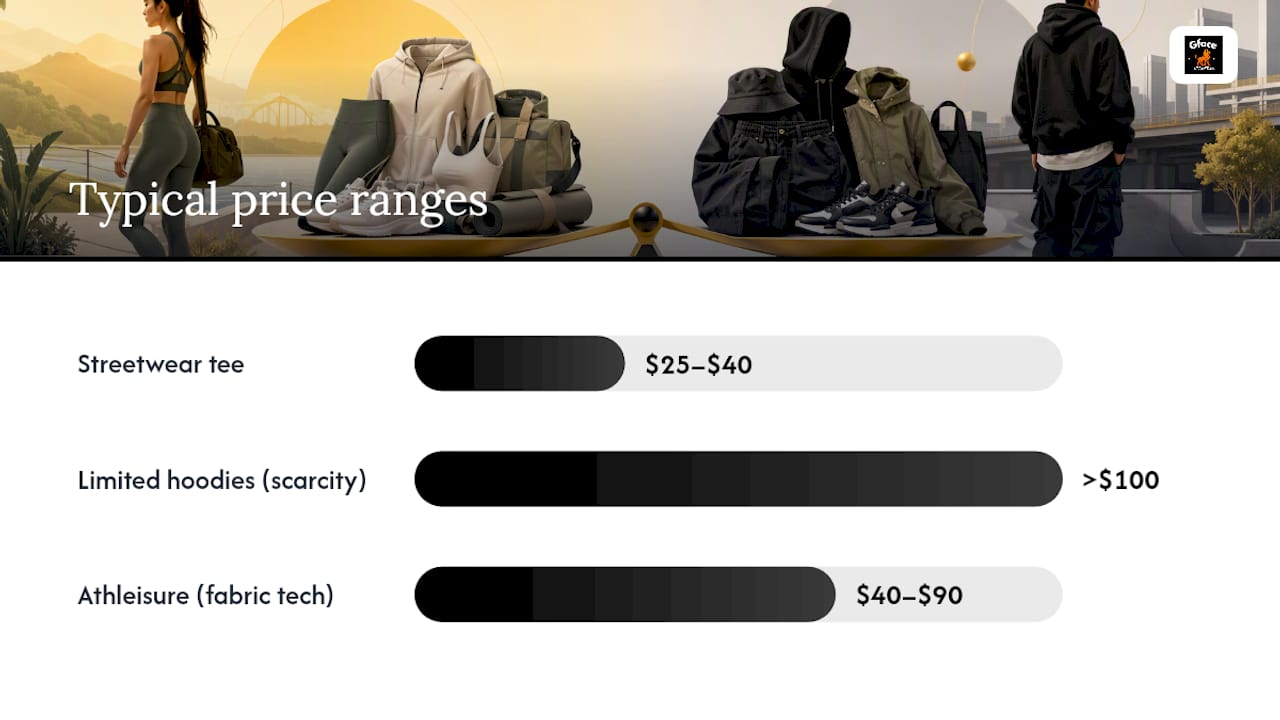
Athleisure pricing tracks fabric technology more than hype. Performance leggings typically land between $40 and $90 depending on the blend and brand, while technical joggers run similarly. The materials driving that price, four-way stretch nylon, moisture-wicking treatments, tend to cost more to produce than the heavyweight cotton streetwear relies on, which partly explains why a "basic" athleisure legging can cost more than a plain streetwear tee.
Where the two categories meet on price is limited-edition and hybrid pieces. A drop that combines streetwear graphics with performance fabric, a hybrid jogger or a limited swimwear piece, often prices closer to the streetwear model: scarcity and design story matter as much as the fabric bill. That's part of why limited drops feel different from a standard basics restock. You're not just paying for the fabric. You're paying for a piece that won't be sitting on a rack again in three months.
Are Athleisure and Streetwear Sustainable Choices?
Sustainability shows up differently in each category, and it's worth knowing where the pressure points actually sit.
Streetwear's biggest sustainability issue is volume. Fast-cycle drops encourage overconsumption, and heavyweight cotton production carries a real water and chemical footprint when it isn't grown or processed responsibly. Print-on-demand and limited-run manufacturing push back against that specific problem: producing a piece only after it's ordered cuts down on the overproduction and unsold inventory that plague mass-market streetwear.
Athleisure's sustainability challenge is different: most performance fabrics are synthetic, meaning they're petroleum-based and shed microplastics in the wash. Brands working on recycled nylon and polyester blends are chipping away at that, but the fabric category itself carries an environmental cost that heavyweight cotton doesn't.
Ethical sourcing matters across both categories, from fair labor in garment production to transparent supply chains. Shoppers increasingly weigh a brand's production model, limited runs, made-to-order, recycled materials, alongside the design itself. That shift is changing which brands earn repeat customers, not just first-time hype buyers.
Where Should You Actually Spend Your Closet Budget?
If you're building a wardrobe from scratch, spend on statement sneakers and one hero hoodie before anything else. Hybrid pieces, a graphic tee paired with technical joggers, give you the most mileage for the least closet space.
Buy fewer pieces, but buy the ones that pull double duty across both styles.
Shop the Pieces That Bridge Both Styles
If you're ready to put these formulas into your own closet, Gfacegear built its entire catalog around exactly this hybrid space between bold streetwear and everyday comfort. The ROAR identity, lion imagery, the Greek Key medallion, runs through tees, hoodies, hats, and lion sneakers designed to be your hero piece in any of the outfit formulas above.

Two things make Gfacegear worth checking before your next drop: limited-edition releases like the Boriqua Swimwear collection that won't restock once they're gone, and VIP membership perks that unlock sitewide discounts and early access to new drops. Every piece is made print-on-demand, so nothing gets produced until someone actually orders it.
Start by browsing the lion sneakers and hero hoodies built for exactly the hybrid looks covered above, and grab your next statement piece before the current drop sells out.
Sources
- The evolution of streetwear: from subculture to high fashion (RMCAD)
- Guide to streetwear fashion: 4 tips for styling streetwear (MasterClass)
- Athleisure vs Streetwear vs Loungewear: Fabric & Fit Guide (The Shoppers Wiki)
- How to Style Streetwear: A Guide to Confident, Effortless Looks (Wear & Vibe)
- Wikipedia: Streetwear
FAQ
What Is the Difference Between Athleisure and Streetwear?
Streetwear is built around bold graphics, oversized silhouettes, and cultural signaling, while athleisure uses stretch performance fabric for everyday comfort and movement. Gfacegear designs pieces, like its lion sneaker and hoodie lines, meant to bridge both.
What Is the Difference Between Streetwear and Sportswear?
Streetwear is a fashion category built for self-expression and cultural identity, while sportswear is gear engineered specifically for athletic performance during exercise. Athleisure sits between the two, borrowing sportswear's fabric tech for everyday, non-athletic wear.
Do Gen Z Shoppers Wear Athleisure?
Yes, Gen Z shoppers wear athleisure regularly, often mixing it with streetwear staples like graphic hoodies and statement sneakers rather than choosing one category exclusively. That hybrid approach is exactly what drives demand for crossover pieces like technical joggers worn with oversized graphic tees.
How Do I Know If a Piece Counts as Athleisure or Streetwear?
Check the fabric and fit first. Stretchy, moisture-wicking, and fitted usually means athleisure, while heavyweight cotton, graphics, and a looser cut usually means streetwear.
Can I Mix Athleisure and Streetwear in One Outfit?
Yes, hybrid outfits, like technical joggers paired with an oversized graphic hoodie and statement sneakers, are one of the fastest-growing looks in casual fashion right now.