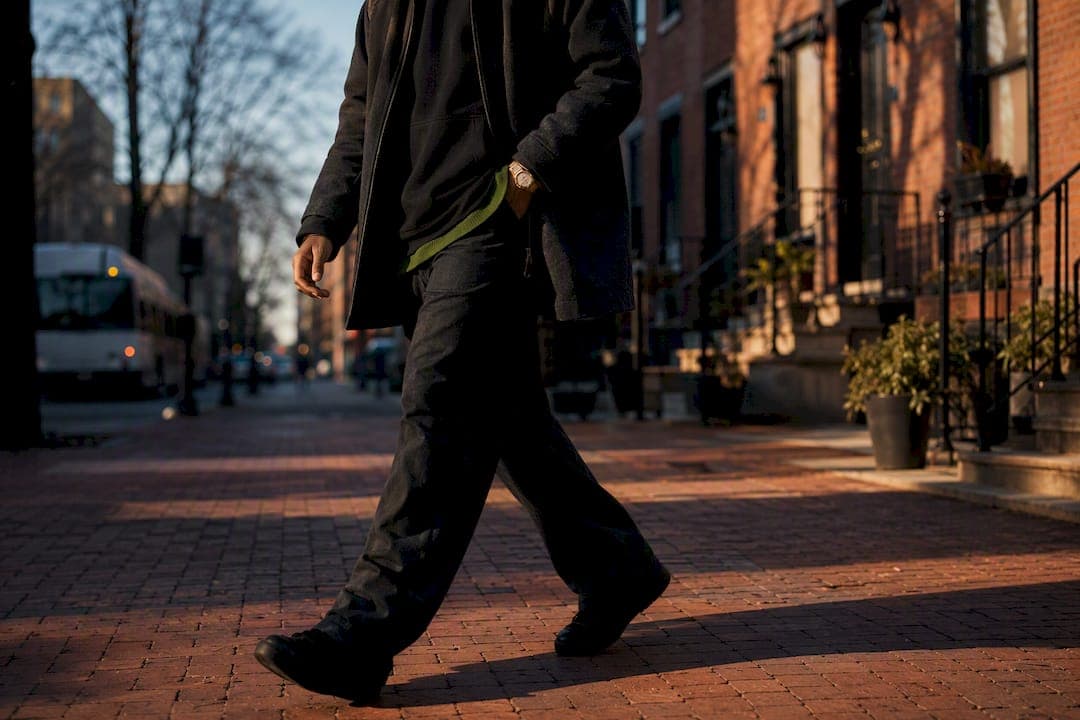
Philly street style is layered, durable, and neighborhood-loyal, built on a hoodie, a low-profile sneaker, and a jacket that can survive a SEPTA platform in January. Get those three pieces right and everything else, colors, hats, jerseys, falls into place. The rest of this guide breaks down which neighborhood calls for which fit, how to dress for Philadelphia's actual weather, and where the city's limited-drop culture fits in all of it.
TL;DR:
- The foundational streetwear pieces for Philly are durable hoodies, low-profile sneakers, and packable jackets, which handle local weather and neighborhoods.
- Neighborhoods influence style: Fishtown favors oversize and graphic layers, while Rittenhouse prefers polished, subtle looks, with dress code shifting from bold east to sharp west.
- Dressing appropriately requires layering for Philadelphia’s extreme temperature swings, such as lightweight jerseys for summer and packable shells for winter, with water-resistant sneakers essential.
- Authentic Philly streetwear relies on local boutiques and limited drops, emphasizing community-based brands and storytelling over mass-market trends.
- Start building a Philly wardrobe with core basics like hoodies and jackets before investing in limited-drop statement pieces and always verify size charts due to made-to-order items.
Table of Contents
- What Does Philly Street Style Look Like by Neighborhood?
- Which Wardrobe Staples Should You Buy First?
- How Do You Layer for Philadelphia's Weather?
- Where Do Philly Locals Actually Shop?
- Three Philly Outfits You Can Copy Tonight
- Why Trust This Philly Street Style Breakdown?
- Who Are the Designers Shaping Philly's Look?
- What History Shaped Philadelphia Street Fashion?
- What Colors and Patterns Read as Philly?
- What Accessories and Grooming Complete a Philly Look?
- How Should Philly Style Shift by Age or Gender?
- How Do You Mix Vintage and Modern Pieces the Right Way?
- The Editorial Take: What Philly Style Guides Get Wrong
- Build Your Philly Wardrobe With Gfacegear
- Sources
- FAQ
What Does Philly Street Style Look Like by Neighborhood?
Philly doesn't have one uniform look. It has zip codes with opinions, and each one rewards a different approach.
- Fishtown leans into raw, unfussy layering. Think oversized hoodies, cargo pants, and beat-up sneakers that look worn on purpose. Bold graphics read fine here.
- Northern Liberties mixes athletic streetwear with a lived-in vintage edge. Track jackets, thrifted denim, and one statement piece (a jersey, a bold cap) carry the outfit.
- Old City skews sharper and more tailored, cobblestones and gallery walks demand cleaner lines: structured jackets, minimal sneakers, muted palettes.
- Rittenhouse rewards polish. Curated sneaker boutiques and boutique retail here mean people dress a notch up, quality outerwear over a plain tee, sneakers that stay pristine.
- South Street is loud on purpose. Music culture and foot traffic support bright colors, jerseys, and pieces that photograph well under neon signage.
The rule of thumb: dial boldness up east of Broad, dial it down and sharpen the fit west toward Rittenhouse. A neighborhood-driven fashion scene like this rewards knowing the room before you dress for it.
Which Wardrobe Staples Should You Buy First?
Philly street style runs on a short list of pieces worn hard and worn often. Skip trend chasing. Build around what survives a Philly winter and still looks right at a rooftop in July.
- Hoodies — the backbone piece. Heavyweight cotton, a relaxed but not sloppy fit, and a bold front graphic (lion, medallion, whatever says something about you) do more work than any other single item in your closet.
- Low-profile sneakers — rubber-sole, minimalist-upper builds handle wet sidewalks and long walks without beating up your ankles or your look.
- Windbreakers and jackets — a packable shell you can stuff in a bag beats a bulky coat you regret carrying by noon.
- Hats — snapbacks and structured caps anchor an outfit and hide a bad hair day on the way to the drop.
- Jerseys — worn oversized, often layered over a long-sleeve tee, jerseys are Philly's loudest color statement.
- Vintage finds — one aged, secondhand piece per outfit keeps the whole look from feeling store-bought.
Buy in this order: daily commute basics first (hoodie, sneakers), weekend flex pieces second (jacket, hat), then save for the limited-drop investment piece last, the one item you actually queue up for.
Pro Tip: Buy sneakers a half-size roomy if you're walking Philly's brick sidewalks all day. Swelling feet and tight uppers are how good shoes turn into bad afternoons.
How Do You Layer for Philadelphia's Weather?
Philadelphia's annual mean temperature sits near 56°F, but that number hides brutal swings, humid July highs and biting January wind off the Delaware. Dressing for one season here means dressing for all four, sometimes in the same week.
- Spring and fall are your best-dressed windows. Moderate temperatures during shoulder seasons also mean higher turnout at pop-ups and drop events, so save your best fits for these months.
- Summer calls for lightweight jerseys and breathable tees, save the heavyweight hoodie for indoor AC or late-night rooftop hangs.
- Winter demands a packable shell over one insulating midlayer rather than one bulky coat, it lets you move from a windy SEPTA platform into a warm bar without carrying dead weight.
- Wet-weather quick fix: swap canvas sneakers for rubber-sole, minimalist builds that shed water without looking clunky.
Statistic Callout: Philadelphia's 30-year NOAA normals show real month-to-month temperature swings around that 56°F average, which is exactly why one-coat wardrobes fail here. Check the layering guide for a deeper breakdown, and lean on the winter outfit roundup once temperatures drop.
Where Do Philly Locals Actually Shop?
Philly's shopping map splits into three lanes: boutiques, sneaker specialty stores, and the drop economy that ties them together.
- Rittenhouse holds curated sneaker retail that blends old-city architecture with modern sneaker culture, Bullseye Sneakers on Walnut Street is a good example of shopping as a cultural stop, not just a transaction.
- Fishtown and Northern Liberties host the vintage markets and indie boutiques where secondhand finds get mixed into modern fits.
- Old City and South Street carry the pop-up energy, temporary storefronts that show up around a drop and disappear a weekend later.
Limited drops function less like sales events and more like community gatherings. Indie Philly brands build loyalty through scarcity and story, not discount codes, and the social value of showing up often outweighs any resale math. Follow local shop social accounts closely, authentic finds move fast, and the best pieces rarely get restocked.
Three Philly Outfits You Can Copy Tonight
Build these exactly as written, then swap in whatever's already hanging in your closet.
- Day (commute/errands): Heavyweight hoodie, straight-leg denim, low-profile sneakers, structured cap. Keep the palette to two colors max so it reads intentional, not thrown-on. Pro Tip: A slightly cropped hoodie hem avoids bunching under a backpack strap on the El.
- Night (bar/rooftop): Oversized jersey layered over a long-sleeve tee, tailored joggers, clean minimal sneakers. A jersey swap here does the heavy lifting since one bold graphic carries the whole outfit. Pro Tip: Tuck just the front of the jersey to break up the silhouette without losing the oversized effect.
- Drop-ready (queue day): Packable windbreaker, vintage tee underneath, durable sneakers built for standing in line, snapback. Pro Tip: Wear the jacket unzipped over a graphic tee so the whole fit photographs well the second the doors open.
For deeper fit breakdowns by season, the summer outfit lineup and men's streetwear build guide both expand on these formulas piece by piece.
Why Trust This Philly Street Style Breakdown?
This guide comes from Victor at Gfacegear, a Brooklyn-born streetwear brand built on the ROAR identity, lion imagery, a Greek Key medallion, and limited drops like the Boriqua Swimwear collection. Gfacegear has spent seasons writing outfit breakdowns for exactly this kind of local street style.
- The brand's jacket style guide covers outerwear picks that hold up in exactly the kind of weather swings Philadelphia throws at you.
- Brooklyn streetwear history traces the same drop culture roots that now show up in Philly's indie brand scene.
- Every recommendation here ties back to real product categories, hoodies, jackets, sneakers, jerseys, hats, that Gfacegear designs and drops on a limited basis.
Who Are the Designers Shaping Philly's Look?
Philly's fashion identity gets built less by big-name houses and more by independent labels working the pop-up and drop circuit. Brands operating in this lane treat every release as an event, not a restock, which is part of why locals pay attention.
Reporting on Philadelphia's indie streetwear ecosystem points to a scene defined by small-batch production and community-first marketing rather than mass retail. These labels lean on collaborations, local mural artists, musicians, and even neighborhood shop owners, to keep designs feeling like they belong to the block they were made on.
That same energy runs through Philly's broader fashion pulse, where thrift culture, music influence, and sneaker obsession blend into something that reads as authentic precisely because it resists mass commercial polish. A hoodie designed by someone three blocks from where you bought it carries weight that a factory-line big-box version never will.
For readers building a wardrobe, the takeaway isn't to chase a specific label. It's to prioritize brands that operate the way Philly's independent scene does, small drops, strong local story, graphics that mean something beyond decoration. That's the same logic behind Gfacegear's lion and Greek Key imagery: identity first, trend second.
What History Shaped Philadelphia Street Fashion?
Philly's street style carries decades of layered influence. The city's hip hop scene, its role in early East Coast sneaker culture, and its deep-rooted DIY music and mural traditions all fed into how people dress on the block today.
Sneaker culture in Philadelphia didn't start with boutique retail, it started with playground basketball, block parties, and a citywide obsession with fresh kicks that predates most current sneaker stores by decades. That history is part of why curated sneaker boutiques now treat sneakers as cultural artifacts worth building a whole storefront around, not just merchandise on a shelf.
Music matters just as much. Philly's hip hop and neo soul legacy pushed oversized silhouettes, jerseys, and bold graphics into everyday rotation long before those pieces hit runway trend reports. Add in the murals covering entire city blocks, and you get a visual culture that rewards big, unapologetic graphics on clothing the same way it rewards them on brick walls.
Boricua heritage runs through parts of the city's fashion identity too, particularly around neighborhoods with strong Puerto Rican and broader Latino communities, where flags, colors, and cultural pride show up openly in streetwear graphics. That's not incidental. It's a throughline that connects directly to why heritage-driven graphic design, like Gfacegear's own Boricua-inspired drops, resonates with Philly shoppers looking for clothing that says something real.
What Colors and Patterns Read as Philly?
Philly street style doesn't chase a single trend palette. It runs on contrast, deep neutrals grounded in black, charcoal, and olive, punched up by one loud accent color that carries the whole outfit.
Earth tones dominate daily wear, olive, rust, and washed denim blues show up constantly because they hide wear and pair with almost anything. Against that neutral base, Philly locals drop in bold accent colors, Eagles green, deep maroon, or a bright graphic hoodie color, as the one statement piece per outfit rather than head-to-toe color blocking.
Patterns stay understated outside of jerseys and graphic tees. Camo and plaid show up as accent pieces (a jacket, a hat) rather than full outfits. Where Philly gets loud is graphics: lion imagery, medallion motifs, and heritage-driven prints carry more visual weight than any busy pattern could. A single bold graphic on a clean neutral base reads as intentional. Five competing patterns read as noise.
The takeaway for building your own rotation: keep your base wardrobe, hoodies, jackets, pants, in versatile neutrals, then let one graphic piece per outfit do the talking. That's exactly the logic behind a lion-emblazoned hoodie or a Greek Key medallion tee, one strong visual anchor, everything else quiet around it.
What Accessories and Grooming Complete a Philly Look?
Accessories in Philly street style work as punctuation, not the whole sentence. A structured cap, a chain, or a crossbody bag finishes an outfit without overwhelming it.
Snapbacks and fitted caps are close to universal, worn straight or slightly angled, usually matching the outfit's one accent color rather than clashing with it. Chains stay simple: a single pendant, often tied to heritage or personal meaning, beats a stack of competing jewelry. Crossbody bags and backpacks get chosen for function first, SEPTA commutes and long walking days make bulky accessories impractical fast.
Grooming follows the same understated-but-intentional logic as the clothing. Clean, low-maintenance fades and beard lines are common because they hold up through humid summers and windy winters without constant upkeep. Skincare gets practical attention too, Philly's weather swings hard enough that windburn and dry winter skin are real concerns, not vanity issues.

The common thread across accessories and grooming: everything should survive a full day of walking, transit, and weather without falling apart or needing constant fixing. Philly style rewards looking sharp at 8 AM and still looking sharp at 8 PM, not looking perfect for twenty minutes.
How Should Philly Style Shift by Age or Gender?
Philly street style flexes easily across age groups and gender because its core, quality basics plus one bold statement piece, works for almost anyone. What changes is fit and volume, not the underlying formula.
Younger shoppers, teens and early twenties, tend to run oversized: baggier hoodies, roomier joggers, bigger graphic statements. Older Millennials and Gen X shoppers in Philly's street style scene usually tighten the silhouette slightly, a more tailored jacket, a slimmer jean, while keeping the same graphic-forward hoodies and sneakers in rotation. The attitude stays the same. The proportions just get dialed in.
Across gender, Philly street style leans unisex more than most American cities' fashion scenes. Oversized hoodies, jerseys, and jackets get worn the same way by everyone, the fit is meant to be relaxed regardless of who's wearing it. Where things diverge is in styling choices beyond the core piece: longer tshirt dresses built on the same graphic-hoodie logic let women wear the identical bold lion or medallion print in a completely different silhouette, while men's rotations lean more on jerseys and structured jackets.
The real adaptation isn't about rules for who wears what. It's about adjusting proportion and layering to your own body and comfort while keeping the same three pillars: a durable base layer, one bold graphic statement, and footwear built for actual city walking.

How Do You Mix Vintage and Modern Pieces the Right Way?
The best Philly outfits mix eras on purpose. A brand-new sneaker next to a thirty-year-old band tee reads as more authentic than either piece worn alone, because it signals you actually curate your closet instead of buying a look off a mannequin.
Start with one vintage anchor per outfit, a thrifted jacket, an aged graphic tee, a secondhand cap, and build modern pieces around it. Reversing the ratio, one modern piece dropped into an all-vintage outfit, works just as well; the key is never letting either era dominate completely. A closet that's 100% vintage can start to feel costume-like rather than lived-in.
Texture does a lot of the blending work. Worn, slightly faded fabric next to crisp modern cotton creates visual depth without needing a second pattern or color. Fit matching also matters: an oversized vintage jacket pairs cleanly with slim modern denim, while a fitted vintage tee balances out baggier modern joggers. Matching two oversized pieces from different eras usually reads as sloppy rather than intentional.
The fastest way to test whether a vintage and modern combination works: if you can point to exactly one piece as the "old" one, you've nailed the ratio. If a stranger has to ask which pieces are vintage, you're doing it right.
The Editorial Take: What Philly Style Guides Get Wrong
Most style content treats Philadelphia like a smaller, cheaper version of New York streetwear. That's backwards. Philly's advantage is that it never had to perform for anyone, its style developed around actual neighborhood life, actual weather, and actual transit patterns, not runway trend cycles.
The conventional advice, buy trendy pieces and layer loosely, misses the two things that actually matter here: fit precision and weather logic. A hoodie that's too roomy in the wrong neighborhood reads as costume, not style. A jacket that can't pack down for a SEPTA ride is a jacket you'll stop wearing by November.
If you're building a Philly wardrobe from scratch, prioritize in this order: one durable low-profile sneaker, one packable outer layer, and one graphic piece bold enough to anchor an entire outfit, whether that's a lion-print hoodie or a medallion tee. Skip the temptation to buy five trend pieces before you've nailed those three fundamentals. Philly style rewards depth over breadth, and it always has.
— Victor
Build Your Philly Wardrobe With Gfacegear
Gfacegear gives you the same three fundamentals this guide keeps circling back to, durable hoodies, packable jackets, and low-profile sneakers, built around the ROAR identity instead of a mass-produced trend graphic. Every piece is made-to-order, so you're not choosing between "authentic" and "available."
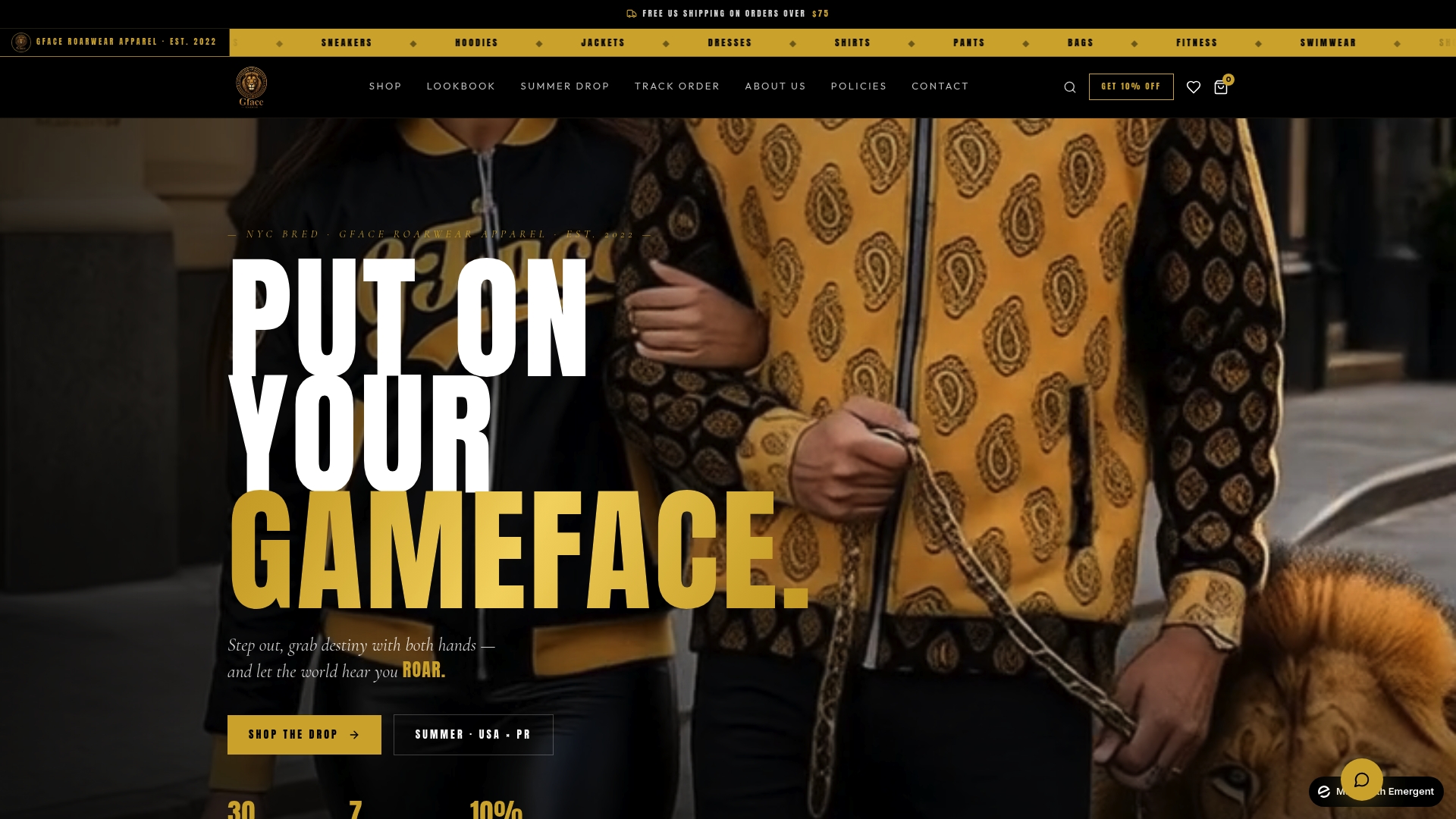
Start with hoodies or jackets for your daily rotation, then browse the full shop for sneakers, hats, and jerseys in the same lion and Greek Key motifs covered throughout this guide. If limited-drop culture is what drew you to Philly street style in the first place, the Pride Membership offers early access to drops and sitewide perks to help build a full wardrobe. Check the size chart on each product page before you order. Print-on-demand pieces run true to the listed measurements, so a quick measure of your favorite hoodie at home saves you a return. Grab your Gameface and shop the shop today.
Sources
- Philadelphia, Pennsylvania — PlainClimate city profile
- Philadelphia, PA climate — WeatherStory climate summary
- Bullseye Sneakers & lifestyle boutique — Rittenhouse Ramblings
- Culture Carriers: How PishPosh, StockedUp, and TORTURE® Are Shaping Indie Streetwear's Next Wave - CONE Magazine
FAQ
What defines Philly street style versus New York streetwear?
Philly style prioritizes durable, transit-friendly basics like hoodies and low-profile sneakers over statement-heavy runway influence. It's shaped by neighborhood identity and limited-drop community culture rather than fast-fashion trend cycles.
How do I dress for Philadelphia's unpredictable weather?
Layer a packable shell over one insulating midlayer instead of one bulky coat, since Philadelphia's climate swings hard between seasons. Save heavyweight pieces for winter and lightweight jerseys for summer heat.
Where can I find authentic Philly streetwear drops?
Follow independent local boutiques and sneaker shops directly on social media, since drops and pop-ups often sell out within hours of announcement. Neighborhoods like Fishtown, Northern Liberties, and Rittenhouse each host different corners of this scene.
Does Gfacegear offer Philly-relevant streetwear staples?
Yes. Gfacegear's hoodie, jacket, sneaker, and jersey lines follow the same durable, graphic-forward formula this guide recommends, built around the brand's lion and Greek Key identity. Current prices and the Pride Membership rate are listed on Gfacegear.
What size should I buy for a Philly-ready hoodie or jacket?
Check the specific product page's size chart before ordering, since print-on-demand pieces run true to their listed measurements rather than generic sizing. Measuring a well-fitting hoodie you already own is the fastest way to confirm your size.