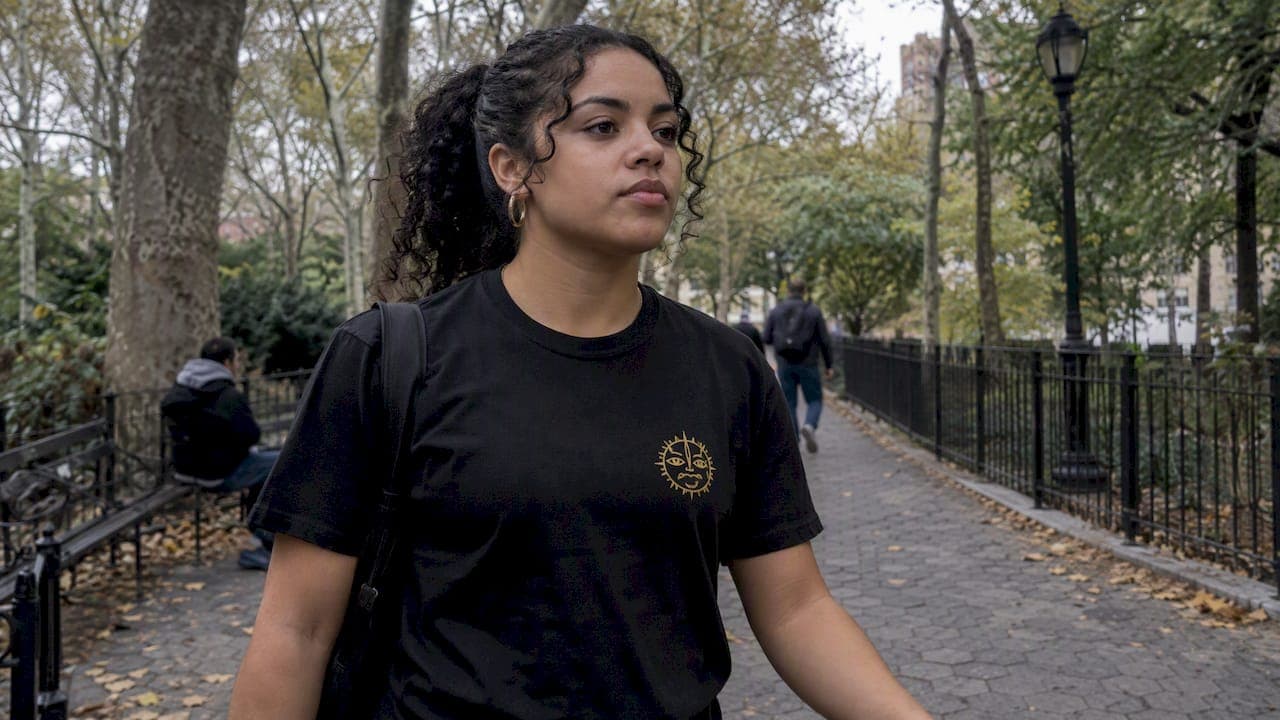
Taíno symbols on clothing are carried from petroglyphs, carved zemís and ceremonial objects: the sun, the coquí, the spiral, the zemí face. They mean something real, and a lot of what's printed on tees and hats online is guesswork. Wear them knowing what's documented, what's speculation, and who they belong to. Then they read as pride, not decoration.
This is the guide we'd hand a friend before they buy. It covers what the main symbols stand for, what we can and can't say with confidence, what the Taíno actually wore, and how to pick pieces that honor the heritage.
TL;DR
- The Taíno had no written language. Their symbols come from petroglyphs, ceramics and carved zemís, and many "meaning lists" online have no sourcing behind them.
- The best-documented icons are the sun of Jayuya, the coquí, the spiral and the zemí face. Treat each meaning as an interpretation, not a dictionary entry.
- A zemí was understood as a living spiritual force, not a pattern. Wear it as that, not as generic "tribal" art.
- Ask who made the piece and why. Designs tied to real artifacts beat vague tribal graphics every time.
- Start with one piece you can explain to anyone who asks.
Table of Contents
- Why Taíno symbols keep showing up on streetwear
- What the main Taíno symbols mean
- What the Taíno actually wore
- Heritage or costume: how to tell the difference
- How we think about it at GfaceGear
- Which pieces carry symbols best
- Three ways to wear a Taíno symbol well
- Get early access to drops
- FAQ
- Sources
Why Taíno symbols keep showing up on streetwear
For many Puerto Ricans and Boricuas in New York and Philadelphia, the Taíno sun and the coquí are everyday signals of home. They sit on flags, car mirrors, tattoos and tees. Scholars describe Taíno identity today as a living movement: a claim of indigenous ancestry and cultural heritage that has persisted through time, even though the old story said the Taíno were gone by the mid-1500s.
That's why the symbols hit differently than a random graphic. Wearing one says: I know where I come from, or I respect where this comes from.
It also explains why the topic is touchy. One scholar who studies Taíno survival in the Dominican Republic noted how many romanticized Taíno images get used as decoration and as product mascots. Heritage pride and commodification can sit on the same rack. Your job as a buyer is to tell them apart.
What the main Taíno symbols mean
One honest caveat first. According to a reference on Taíno symbols, Taíno had no phonetic writing, and much of the meaning attached to specific symbols on internet lists is speculative or poorly documented. A study.com lesson puts it bluntly: no one knows for sure what the various symbols mean, though scholars have suggested they represented gods, spirits and shamans.
So read the list below as the strongest interpretations, not gospel.
| Symbol | Common interpretation | How solid is it? |
|---|---|---|
| Sun (Sol de Jayuya) | A powerful sun deity tied to strength, crops and longevity | Tied to a real petroglyph in Jayuya, Puerto Rico |
| Coquí | Fertility and rain | Widely cited, but the frog is also a modern Puerto Rican emblem, so context matters |
| Spiral | Cycles of life, water and energy | Common motif in petroglyphs, interpretation is scholarly inference |
| Zemí face or mask | The presence of a deity or ancestor, such as Yúcahu | Strongest: rooted in carved objects and chronicler accounts |
The sun
The petroglyph known as El Sol de Jayuya is the one most people picture. It's described as a sun god believed to give strength and longevity to crops and people. On a tee or hat, it reads as vitality and origin. This is the safest first pick because it points to a specific place you can actually visit.
The coquí
The coquí is tied to fertility and rain in the symbol reference we used. It's also the most playful of the group, which is why you see it on so much merch. Its modern pop-culture life as a Puerto Rican mascot is real, but don't confuse the two layers: the frog on a souvenir and the frog in ceremonial context are different conversations.
The spiral
Spirals show up across the petroglyph record and are usually read as cycles: water, energy, life. They're subtle on fabric, which makes them a good choice if you want something quiet instead of a loud graphic.
The zemí
Zemís are the heavyweight. A zemí (or cemí) is a figure used in ritual, and art historians describe them as more than images. Smarthistory's account of Taíno zemís and duhos shows a figure that likely belongs to someone who fasted for days before a ritual. The idea in the scholarship is that a zemí was understood as the living spiritual force of an ancestor or deity. Put one on your chest and you're wearing something that was never meant as a pattern.
What the Taíno actually wore
Most modern Taíno-themed clothing doesn't resemble what people wore then, and that's fine, as long as nobody pretends otherwise.
A Yale teaching unit on the Taínos of Puerto Rico notes they wore very little clothing, and married women wore a cotton apron called the nagua. Its length signaled status. The real weight sat in regalia. A study of a sixteenth-century Taíno cotton belt in a Vienna museum shows how belts and headbands were prestige objects, worked with cotton, shell beads and gold alloy.

The same reference says clay stamps called pintaderas were used to apply patterns to skin and cotton. That's the oldest ancestor of a graphic tee: a design pressed onto fabric on purpose, carrying meaning for a lineage or clan.
Two takeaways:
- Clothing was about spiritual and social power, not just coverage.
- A symbol on fabric is not new. Printing identity on cotton goes back centuries. What changes is whether the wearer knows the story.
Heritage or costume: how to tell the difference
There's a simple test. Researchers who write about indigenous imagery in consumer culture point to a line between community-led revitalization and commercial use that reduces imagery to mascots or decorative tropes. For Gen-Z buyers, authenticity tends to hinge on whether a brand engages with the "why" and "who" behind the imagery.
Use this checklist before you buy:
- Does it name its source? A sun tied to Jayuya or a zemí tied to a documented artifact beats a vague "tribal" graphic that could belong to any culture.
- Is the meaning claimed too neatly? If a product description assigns one exact meaning to every line, be skeptical. The record doesn't support that.
- Who's behind it? Makers with a personal tie to Boricua or Taíno heritage usually can tell you the story in two sentences.
- Does it treat the symbol with weight? A zemí face on a novelty item next to a cartoon is a red flag. The same face as a clear, respectful focal graphic is not.
- Is it yours to wear? If you're Puerto Rican, you're connecting to your own culture. If you're not, wear it as a respectful admirer who can say what it is, not as a costume.
And a note on the question people keep asking: is a Puerto Rican automatically Taíno? Identity is complicated. Being Taíno is increasingly recognized as a claim of indigenous ancestry and heritage among Puerto Ricans, but it remains a subject of genealogical and historical debate. Nobody needs a certificate to feel pride, and nobody should wear a symbol as proof of something they haven't looked into.
How we think about it at GfaceGear
We're a Brooklyn-born brand. Our identity runs on the lion, the Greek Key medallion and the ROAR attitude, and we celebrate Boricua heritage through limited drops like our Boriqua swimwear. Taíno symbolism is its own lane with its own history, and we don't want to fake our way through it.
Here's where we stand.
Pride is not the problem. Shallow is the problem. A symbol that carried a people's spiritual life for centuries deserves more than a quick graphic. When you step out in heritage, you should be able to answer "what's that?" without flinching. That's the same logic behind our lion work: a lion medallion has a pose, a meaning, a reason. Your Gameface should too.

We also believe in community over costume. The best Boricua streetwear comes from people who live the culture, from the parade route to the block party. If you want the broader picture, read how we think about the Puerto Rican flag in streetwear and how to catch Boricua drops from Brooklyn.
Our advice to any buyer, from us or anyone else: learn one symbol deeply before you wear five loosely.
— Victor
Which pieces carry symbols best
Placement changes how a symbol reads. Here's how we'd think about it, tied to the categories people ask us about most.
Men's tees
The tee is the cleanest canvas. A single centered chest graphic gives a zemí or sun room to breathe. Keep the color story simple, since a sun in one tone looks sharper than a rainbow of fills. Browse the shirts collection to see how we build a graphic tee around one strong idea.
Long tee dresses
A long tee dress stretches the canvas and works for spirals and repeating patterns, which echo the way designs were stamped across cotton. A flowing line suits motifs that are about cycles and water. See the full range in the shop.
Hats
A hat is a small, high-visibility surface, so it takes a compact mark: a sun, a coquí outline. It's also the lowest-commitment way to test whether a symbol feels like you. Our snapback shows how we keep a front panel clean and bold.
Sneakers
Footwear is the one place to be careful. Many people feel uneasy about sacred figures on the soles or the ground-facing parts of a shoe. Keep a zemí on the upper or leave it off. A lion or a pattern is the better choice there.
Swimwear
Swimwear is where Boricua pride goes on vacation: beach days, boat days, the Puerto Rican Day Parade after-party. Limited edition swimwear is our focus. It carries the culture into summer without asking you to dress like a museum piece. For styling, our guides on Puerto Rican swimwear brands and drops and swim trunks streetwear walk through what to wear in and out of the water. Shop the swimwear collection when a drop is live.
Three ways to wear a Taíno symbol well
- Let it lead. One symbol, one outfit. Pair a sun graphic with plain pants and clean sneakers so the piece does the talking.
- Mix heritage with your own identity. A Boricua tee under a lion jacket says two things about you at once: where you're from and who you are. Layer a jacket or hoodie over it for NYC and Philly weather.
- Match with your people. Couples, crews and cousins in coordinated pieces read as community, which is closer to the spirit of the thing than a solo flex. For parade day, our outfit ideas show six looks you can build from.
Get early access to drops
Limited drops sell out, and the best way to land the piece you want is to be there first. The Pride Membership is $9.99 per month and gives you sitewide discounts, early access and VIP perks. Here's how streetwear early access works. Ready to lock in? Join the Pride, or head straight to the full shop and grab your pick. Shop the drop. Let the world hear you ROAR.
FAQ
What do Taíno symbols mean?
The best-documented ones are the sun of Jayuya (strength and life-giving power), the coquí (fertility and rain), the spiral (cycles of life and water) and the zemí (the presence of an ancestor or deity). Treat these as scholarly interpretations. The Taíno had no written language, so no one can give you a word-for-word translation.
Is it okay to wear Taíno symbols if I'm not Taíno or Puerto Rican?
Many people say yes, if you wear them with respect and know what they are. Pick designs tied to real artifacts, avoid anything that treats a zemí as a joke or costume, and buy from makers who explain the story. If you can't say what the symbol is, wait until you can.
What kind of clothes did the Taínos wear?
Very little everyday clothing. Married women wore a cotton apron called the nagua, with its length signaling rank. Status showed in regalia like belts and headbands made with cotton, shell beads and gold alloy, which were prized valuables, not basic attire.
Am I Taíno if I'm Puerto Rican?
Not automatically, and not never. Taíno identity today is recognized as a claim of indigenous ancestry and cultural heritage among Puerto Ricans, and it's still debated historically and genealogically. Many Puerto Ricans connect to Taíno heritage through family history, culture and community.
Sources
- Taíno symbols: meanings and history
- Smarthistory: Taíno zemís and duhos
- Not Everyone Who Speaks Spanish is From Spain: Taino Survival in the 21st Century Dominican Republic
- Taino Sacred Sites: An International Comparative Analysis for a Domestic Solution
- Made With Admirable Artistry: A Taíno Belt
- The Taínos of Puerto Rico: Rediscovering Borinquen (Yale Teachers Institute)
- Puerto Rican Tribal Art: Taino Symbols and Petroglyphs (Study.com)
- Taino Symbols And Meanings (PuertoRico Travel Guide)