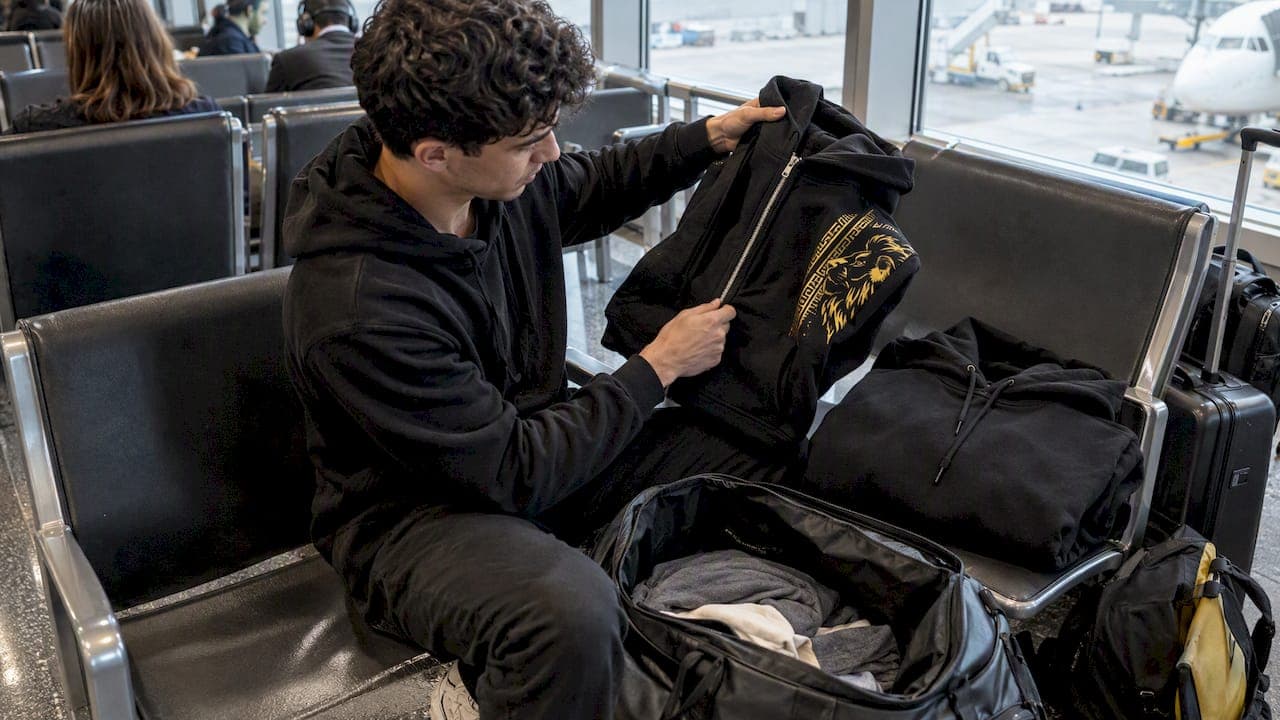
If you need an outer layer you can throw on and off in seconds, grab a zip hoodie. If you want uninterrupted warmth and a clean canvas for bold graphics, the pullover wins. The real decision comes down to how you move through your day, how you layer, and whether you care more about convenience or a single, solid front panel.
TL;DR:
- Zip hoodies offer versatile layering options, allowing open, half-zipped, or fully closed wear, while pullovers maintain a consistent silhouette.
- Pullovers typically provide better warmth distribution and cleaner graphic displays due to the continuous front panel, making them ideal for bold chest designs.
- Fabric choice heavily influences durability and appearance, with heavyweight French terry and high-cotton blends preferred for shape retention and print quality over time.
- Proper fit depends on layering intentions, with smaller sizes suited for under outer layers and true-to-size or oversized fits preferred for standalone streetwear.
- Maintaining hoodies in cold water and inspecting zippers before purchase extends their lifespan in daily use.
Table of Contents
- Versatility, Warmth, and Everyday Function Compared
- Getting the Fit and Silhouette Right
- Fabric Choices That Actually Hold Up
- How to Style Each One for Real Life
- Keeping Either One Looking Sharp Longer
- Why Victor's Fit and Fabric Calls Hold Up
- Where Zip Hoodies and Pullovers Came From
- Our Take: Build a Capsule With Both
- Gear Up With GfaceGear Hoodies
- FAQ
- Sources
Versatility, Warmth, and Everyday Function Compared
Both constructions start from the same base garment, but every design choice after that splits them into different tools. A zip hoodie opens completely in front, so you can wear it loose over a tee, crack it open when you heat up, or zip it shut against wind. A pullover gives up that flexibility for one continuous front surface, which tends to trap warmth more evenly at the same fabric weight since there's no seam line letting air sneak through.
Graphics tell a similar story. A full chest print needs a stable, unbroken surface, which is why brands lean on pullovers for heavy graphic drops. A zipper splits that canvas into two panels, so bold centered designs either get interrupted or get pushed to a smaller placement.
- Layering: zip hoodies flex between open, half-zipped, and closed; pullovers stay locked into one silhouette.
- Warmth: pullovers often edge out zips at identical fabric weight because the front stays continuous.
- Graphics: pullovers carry large chest prints cleanly; zips work better with smaller or side-placed art.
- Maintenance: zippers can fail at the slider or teeth over time; pullovers avoid that risk but show pilling and shrinkage differently depending on blend.
Pro Tip: If you're building a travel capsule, pack a zip. You'll need fewer layers to manage airport security lines and quick temperature swings.
Getting the Fit and Silhouette Right
A center-front zipper changes how fabric falls. Without a seam running down the middle, a pullover drapes as one solid sheet, while a zip hoodie splits into two panels that need to hang evenly or the whole piece looks off. Poor patterning around the zipper can cause twisting or bulk, especially in heavier fabrics, so a well-made zip hoodie depends on tight construction just as much as good fabric.

Sizing shifts depending on how you plan to wear it. Layering under a chore coat or denim jacket works better if you size down one from your usual fit, since a true-to-size or oversized zip hoodie bunches under a structured outer layer. Wearing it alone, true-to-size or slightly oversized gives you that relaxed streetwear drape without the bulk problem.
Before you buy, check these details:
- Hood depth and drawstring placement: a shallow hood collapses flat instead of framing your face.
- Neckline reinforcement: a weak seam here stretches out fast with daily wear.
- Zipper alignment: the teeth should sit flush with no visible pulling at the seam.
- Overall panel symmetry when the zipper is fully open.
Fabric Choices That Actually Hold Up
Material decides how your hoodie feels, prints, and ages. Cotton fleece gives you that classic soft hand feel but shrinks more without pre-shrink treatment. French terry breathes better and holds structure, which makes it a go-to for streetwear brands building heavyweight pieces. Cotton-poly blends split the difference, trading a little softness for shape retention and faster drying.

For a heavyweight, structured hoodie, a dense, structured French Terry fabric with a heavyweight density gives you a dense base that holds its shape and supports clean printing , which is why it shows up often in premium streetwear collections.
Fiber content also decides how a piece ages. Higher polyester content improves shape recovery and dries faster, but raises pilling risk over repeated washes. High-cotton blends feel better against skin but need to shrink control built into manufacturing, or that first hot wash changes the fit permanently.
- Lightweight (under 280 GSM): best for layering in mild weather or under jackets.
- Midweight (280 to 400 GSM): the everyday standard for most pullovers and zips.
- Heavyweight (450 GSM and up): structured, cold-weather pieces built to hold a graphic without stretching.
How to Style Each One for Real Life
Your activity should decide your construction, not the other way around.
- Travel days: a zip hoodie lets you vent on a warm train platform and seal up the second you hit AC, without pulling anything over your head in a cramped seat.
- Cold, graphic-forward days: reach for a pullover when the whole point is the print on the chest and you want one solid layer under a coat.
- Layering over denim or a chore coat: zips slide underneath cleanly since you can adjust fit without disturbing what's underneath, a trick covered in our streetwear layering guide.
- Gym or active sessions: zips give you a quick way to shed heat mid-set without stopping to peel off a full pullover.
- Security lines and quick changes: a zip comes off in two seconds flat, no static-charged hair, no fighting with a tight neckline.
Pair a pullover with joggers and clean sneakers for a straightforward streetwear look, or throw a Minimal 'Feed The People' pullover hoodie under a denim jacket when the temperature keeps shifting through the day.
Keeping Either One Looking Sharp Longer
Wash temperature matters more than most people think. High-cotton blends hold their shape best with cold water and a low-heat or air-dry cycle. Cotton-poly blends tolerate a tumble-dry on low without much shrinkage risk.
Zippers need attention too. Check slider smoothness and stitching tightness before you buy, since a loose zipper track or thin ribbing at the hem signals a piece that won't survive daily wear.
- Turn hoodies inside out before washing to cut down on pilling.
- Skip fabric softener on fleece. It breaks down the loft over time.
- Zip fully before washing to protect the teeth from snagging other garments.
- Avoid high heat on anything with a printed graphic. It cracks the surface faster than the fabric wears out.
Pro Tip: Run your thumb along the inside seams before buying. If you feel loose threads or uneven stitching, that hoodie won't survive a full season of regular wear.
Why Victor's Fit and Fabric Calls Hold Up
Every recommendation here comes from testing real garments against real wear patterns, not spec sheets. Our editor-tested zip-up picks break down which constructions survive daily rotation, and our graphic hoodie roundup shows where pullovers earn their keep.
Running a print-on-demand operation means we see fabric and fit decisions from the inside. Every blank we choose gets evaluated the same way: does it hold a print cleanly, does it survive repeat washes, does the silhouette match what a streetwear customer actually wants to wear out the door. That experience shapes every GSM and construction call in this guide.
Where Zip Hoodies and Pullovers Came From
The pullover sweatshirt traces back to the 1930s, built as practical workwear for laborers who needed warmth without extra bulk. The hood came later, added for outdoor work in cold climates before street culture adopted it decades on. By the time hip-hop and skate culture claimed the hoodie in the 1970s and 1980s, the pullover was already the default shape.
The zip hoodie emerged as a practical variation once athletic and outdoor brands wanted a layer athletes could remove mid-activity without pulling anything over their heads. That ease-of-use feature made it a natural fit for gym wear, then for everyday layering once streetwear picked it up alongside the pullover.
Both constructions evolved in parallel rather than one replacing the other. The pullover kept its spot as the graphic-forward, classic silhouette. The zip carved out its niche as the functional, layer-friendly option. In American English, the whole category gets called a hoodie, with "hoody" showing up occasionally as a less common spelling.
Our Take: Build a Capsule With Both
We'd reach for a pullover when a drop centers on one bold chest graphic and a zip when the piece needs to work as a layer across changing weather. Neither one replaces the other. Owning both gives you a wardrobe that adjusts to the day instead of forcing you to plan around one silhouette.
That's the whole point of ROAR: show up ready for whatever the day throws at you.
— Victor
Gear Up With GfaceGear Hoodies
We build our hoodies from fabric chosen the same way we broke it down above: structured blanks that hold a print, GSM weights that match the season, and construction tight enough to survive daily wear. Our limited drops rotate through both pullover and zip constructions, so you grab whichever fits your next move.

Members of The Pride Membership get early access before a drop sells out, plus sitewide discounts on every piece in our lineup. Browse our current hoodies lineup and lock in your next layer before the next drop lands.
FAQ
Do People Still Wear Zip-Up Hoodies?
Yes, zip-up hoodies remain a staple across streetwear, athletic wear, and everyday layering because the open-front design makes them easier to wear in changing temperatures. They've stayed popular specifically because of that layering flexibility, not despite it.
What Is the Difference Between a Pullover and a Hoodie?
A pullover hoodie is a hooded sweatshirt with no front opening, worn by pulling it over your head, while "hoodie" is the broader American English term covering both pullover and zip-up styles. Every zip-up hoodie is still a hoodie, just with a front zipper added.
What Do Americans Call Zip-Up Hoodies?
Americans commonly call them "zip-up hoodies" or simply "zips," distinguishing them from pullover hoodies in everyday conversation and retail listings. The term "hoodie" on its own can mean either style unless specified.
What Is the Point of a Zip-Up Hoodie?
The zipper lets you open the front fully for quick venting, easy removal, or wearing it loose over another layer without pulling anything over your head. That function makes it a practical choice for travel, workouts, and layering over denim or a chore coat.