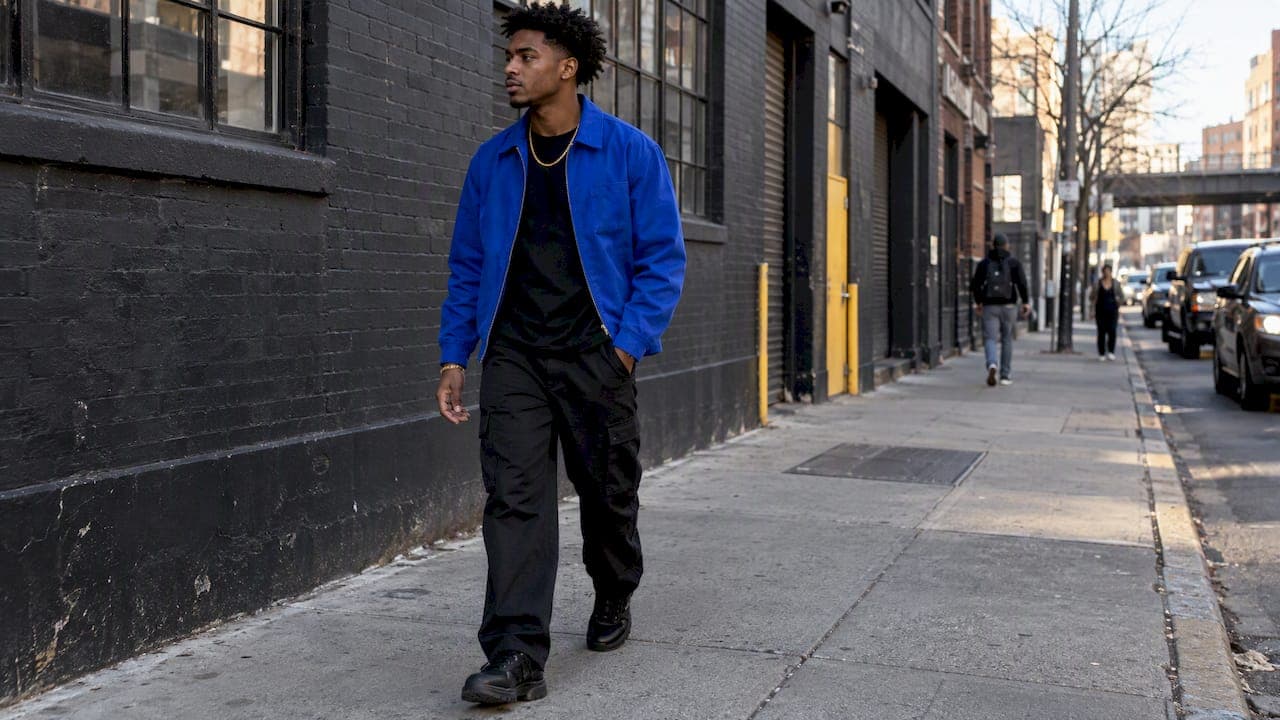
Color blocking means pairing two or more solid, contrasting colors in one outfit to create bold visual sections instead of one uniform tone. The fail-safe entry point is a neutral base plus one bold block, or two bold colors balanced by a neutral accessory. Master that formula first, and every rule below builds on it.
TL;DR:
- Limit color blocking outfits to two saturated colors to prevent visual noise and maintain a bold, deliberate look with minimal rules.
- Use complementary, analogous, or monochromatic color relationships based on confidence and progression from neutral bases for better pairing.
- Position colors strategically: bold on the upper or lower body depending on shape, and prefer vertical blocks to elongate the figure.
- Start with a neutral wardrobe edit and add one hero piece in a bold color, using accessories to echo that color and add texture.
- For 2026, primary color layering on runways and streetwear is trending, emphasizing confidence and simplicity over maximalist mixing.
Table of Contents
- Color-Blocking Do's and Don'ts to Apply Right Now
- The Color Theory You Actually Need for Outfits
- Five Copyable Outfit Formulas You Can Steal Today
- Placement and Proportion: Use Block Size to Flatter Your Shape
- Where to Start: Wardrobe Edits and What to Buy Next
- Victor's Streetwear-Friendly Formulas
- Why Color Blocking Matters Heading Into 2026
- Ready to Build Your Color Block Look?
- FAQ
- Sources
Color-Blocking Do's and Don'ts to Apply Right Now
Color blocking rewards discipline more than daring. The strongest looks follow a short list of rules, and the weakest break every one of them at once.
- Do keep silhouettes clean: a boxy hoodie, straight denim, or a long tee dress reads sharper than anything fussy or layered with prints.
- Do anchor with a neutral (black, white, gray, navy) and let your boldest color sit where you want eyes to land, like a jacket or sneakers.
- Don't stack more than two saturated colors in one look. A third color turns a statement into noise.
- Don't split your body exactly in half with two colors. An even top-to-bottom split flattens your shape and reads boxy instead of intentional.
Retail styling advice consistently backs this approach: pair a color-block piece with simple bottoms like jeans or tailored trousers, then stop. The outfit is already doing the talking.
Pro Tip: If you only remember one rule, remember this: one hero color, one neutral, zero competition.

The Color Theory You Actually Need for Outfits
You don't need a design degree to pair colors well. You need four relationships and the confidence to pick one.
- Complementary pairs sit opposite each other on the color wheel, like blue and orange, and create the highest contrast and the boldest statement.
- Analogous pairs sit next to each other, like red and orange, and create a calmer, more blended look.
- Monochromatic outfits use one color in different shades, relying on texture (knit against silk, cotton against leather) to add depth, a trick Vogue's color theory guide points to directly.
- Warm versus cool matters too: warm tones (red, orange, yellow) push forward and read as energetic, while cool tones (blue, green, purple) recede and feel calmer, and turning down saturation on either softens the whole look.
Starting easy beats starting loud. Progress in four steps: neutral plus one color, then analogous pairs, then an accented analogous palette (two close colors plus one pop), then full complementary contrast once you trust your eye. Interweave and Glance both outline this progression as the standard path from beginner to confident color blocker.
Five Copyable Outfit Formulas You Can Steal Today
These five formulas cover the situations you actually dress for, from errands to date night.
- Casual weekend: A gray hoodie, dark denim, and one bold sneaker colorway. Swap the hoodie for a solid tee if the weather calls for it.
- Streetwear-forward: A colorblock jacket over a black tee and jeans, sneakers matching one jacket panel. This is the easiest way to wear blue and yellow or red and purple, the two pairings GQ flags as defining 2026's runway and street scene.
- Work-ready: A neutral blazer, a single bold-colored shirt, and black trousers. One block of color is plenty for an office.
- Dressy: A long tee dress in one saturated color, neutral sandals, and one accessory in a second bold color to tie the look together.
- Summer: A bold swim top with neutral trunks or a cover-up, saving the second color for a bag or sunglasses.
- Hoodie plus matching sneaker laces or outsole for a low-effort streetwear block.
- Jersey with a contrast collar or side panel instead of a second full garment.
- Long tee dress with one colored belt or crossbody bag as the entire second block.
Our streetwear color matching formulas walk through more combinations built around exactly these pieces.
Placement and Proportion: Use Block Size to Flatter Your Shape
Where you put color matters as much as which colors you pick. Interweave's guide to color blocking for every body breaks this down by shape.
- Apple shapes do well with color on the lower half (pants, skirt) and a neutral or darker tone up top to draw the eye down.
- Pear shapes flip that: bold color on top, neutral below, balances the lower half visually.
- Inverted triangles benefit from color at the hips or legs rather than the shoulders, which widens an already broad upper body.
- Rectangles and hourglasses can experiment with a single-garment block (a colorblock dress or jacket) since the goal is adding shape, not hiding it.
Vertical blocks elongate; horizontal blocks widen. A vertical color panel down a jacket or dress reads taller and leaner than a horizontal stripe doing the same job.
Where to Start: Wardrobe Edits and What to Buy Next
You don't need a new wardrobe. You need an honest edit and one smart purchase.
- Sort your neutrals and keep only what flatters your undertone: true black, warm white, navy, or gray.
- Pick one hero color you already gravitate toward, then build around it instead of chasing five colors at once.
- Buy one hero piece, a jacket, hoodie, a pair of sneakers, or a long tee dress, that reads as a full block on its own.
- Use accessories (bags, belts, hats) to echo your hero color and add texture, which keeps the outfit from looking like two flat halves.
Pro Tip: A single mismatched accessory in your hero color does more work than a whole second outfit color.
Victor's Streetwear-Friendly Formulas
As the stylist behind our color-matching guides, here are three combinations worth copying straight from the rack.
- Hoodie plus matching sneaker tie or lace, which keeps a casual fit sharp without adding a second garment.
- Jersey with a contrast panel, letting the panel do the color-blocking work while the rest stays neutral.
- Long tee dress with one bold accessory, a bag or belt, instead of a second colored piece.
Treat a limited-edition drop like an Anti Social Social Club Sweatshirt — Retro Red Star Crewneck as your hero piece. It's already built to stand out, so everything else around it should stay quiet. Mixing in one textured layer, denim against a smooth jersey, keeps the whole fit from reading flat.
Why Color Blocking Matters Heading Into 2026
Runways are swinging back toward primary-color layering after seasons of neutral-dominated palettes, with blue, yellow, red, and purple leading the charge according to GQ's coverage of the trend. The move to streetwear is simple: take one runway pairing, strip it down to a hero piece and a neutral base, and skip the maximalist layering. Confidence in one clear statement beats five colors fighting for attention.
— Victor
Ready to Build Your Color Block Look?
We built our lineup around exactly this kind of statement dressing: hoodies, jackets, sneakers, and long tee dresses designed to work as hero pieces straight out of the box. Pair one with a neutral base and you've got a color-block outfit without the guesswork of matching five separate items.
Our limited-edition drops move fast, and The Pride Membership gets you early access plus sitewide perks so you're never scrambling to find a replacement hero piece once one sells out. Browse the full shop and build your next fit around one bold block.
FAQ
What is a color block outfit?
A color block outfit pairs two or more solid, contrasting colors in distinct sections rather than blending them or relying on patterns. The simplest version is a neutral base with one bold color block, like a bright jacket over dark jeans.
What makes a woman look wealthy?
Clean, well-fitted silhouettes and a restrained color palette tend to read as more polished than busy prints or clashing colors. In color blocking specifically, one neutral anchor paired with a single bold color looks more deliberate than multiple competing tones.
Is color blocking still in fashion in 2026?
Yes. GQ reports primary color blocking, including pairings like blue with yellow and red with purple, as one of the defining style moves on runways and streets this season.
What are the rules for color blocking?
Who What Wear's trend guide lists offsetting bold colors with neutrals, choosing one hero piece, and adding contrast through accessories as reliable starting rules. Keeping silhouettes simple and limiting yourself to two saturated colors at a time rounds out the basics.
How do I match a color block top to the rest of my outfit?
A common trick from outfit galleries is pulling one color from your top and repeating it in your pants, shoes, or bag to create cohesion. That single repeated color is often enough to make the whole outfit feel put together.
Sources
- Spring 2026's Biggest Style Trend: Primary Color Blocking | GQ
- Color Blocking for Every Body: Color, Theory, Proportion, and Placement | Interweave
- How to Master Color Theory in Clothing Like a Vogue Fashion Editor | Vogue
- 7 Colour-Blocking Trend Rules That Will Be Everywhere in 2026 | Who What Wear